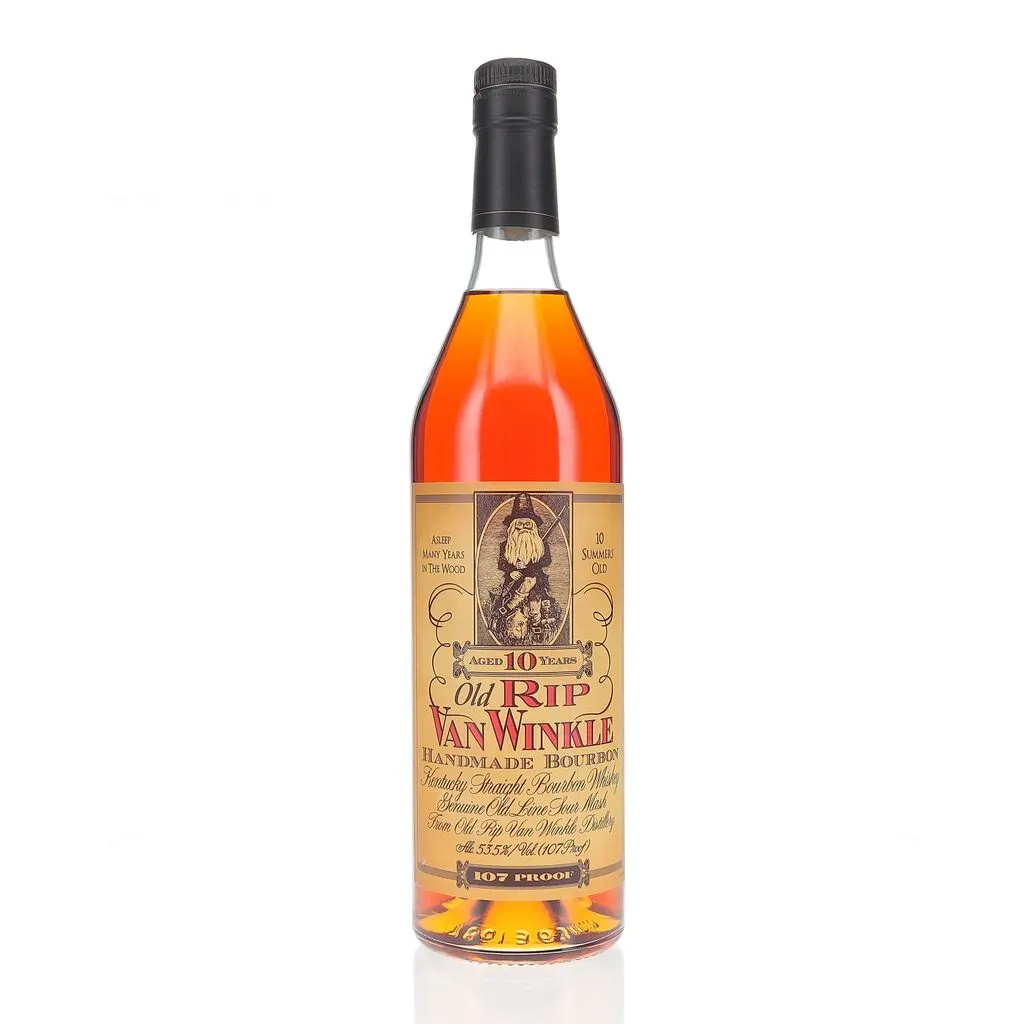
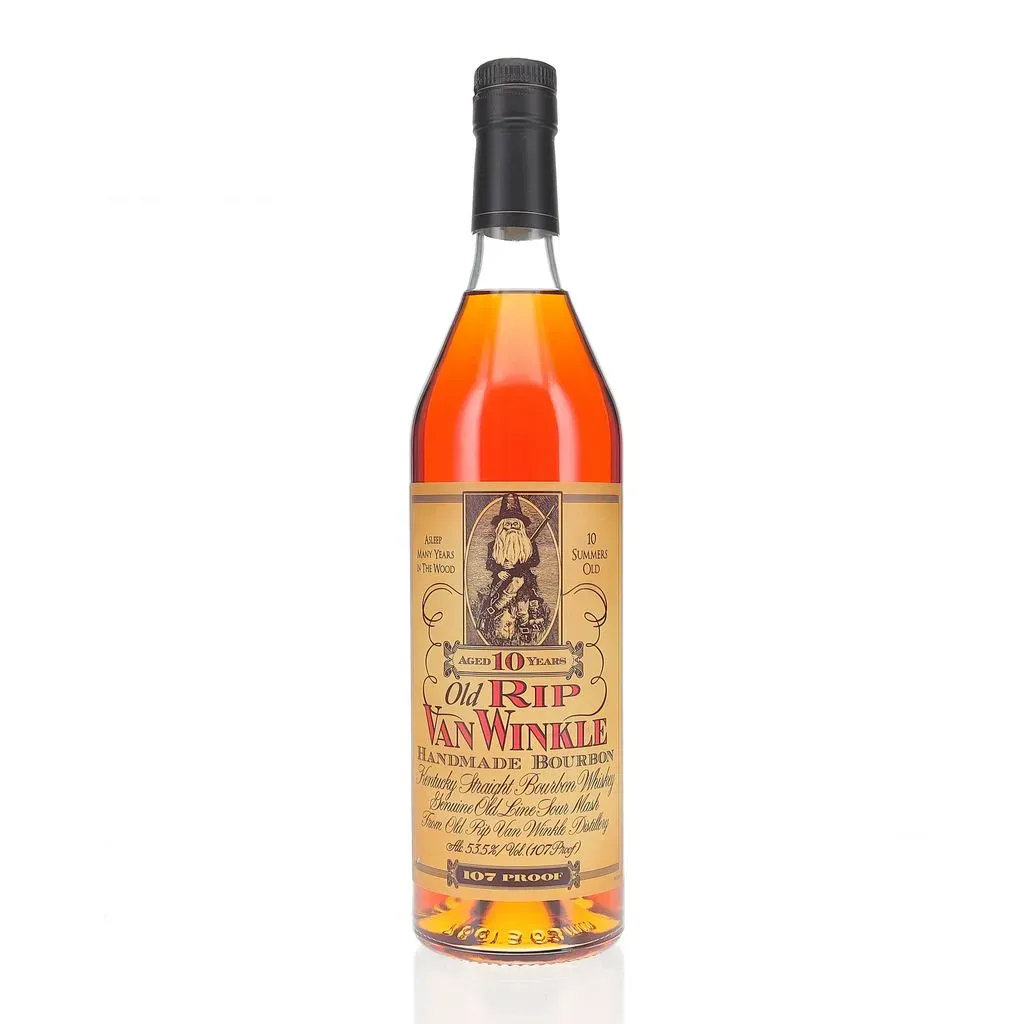
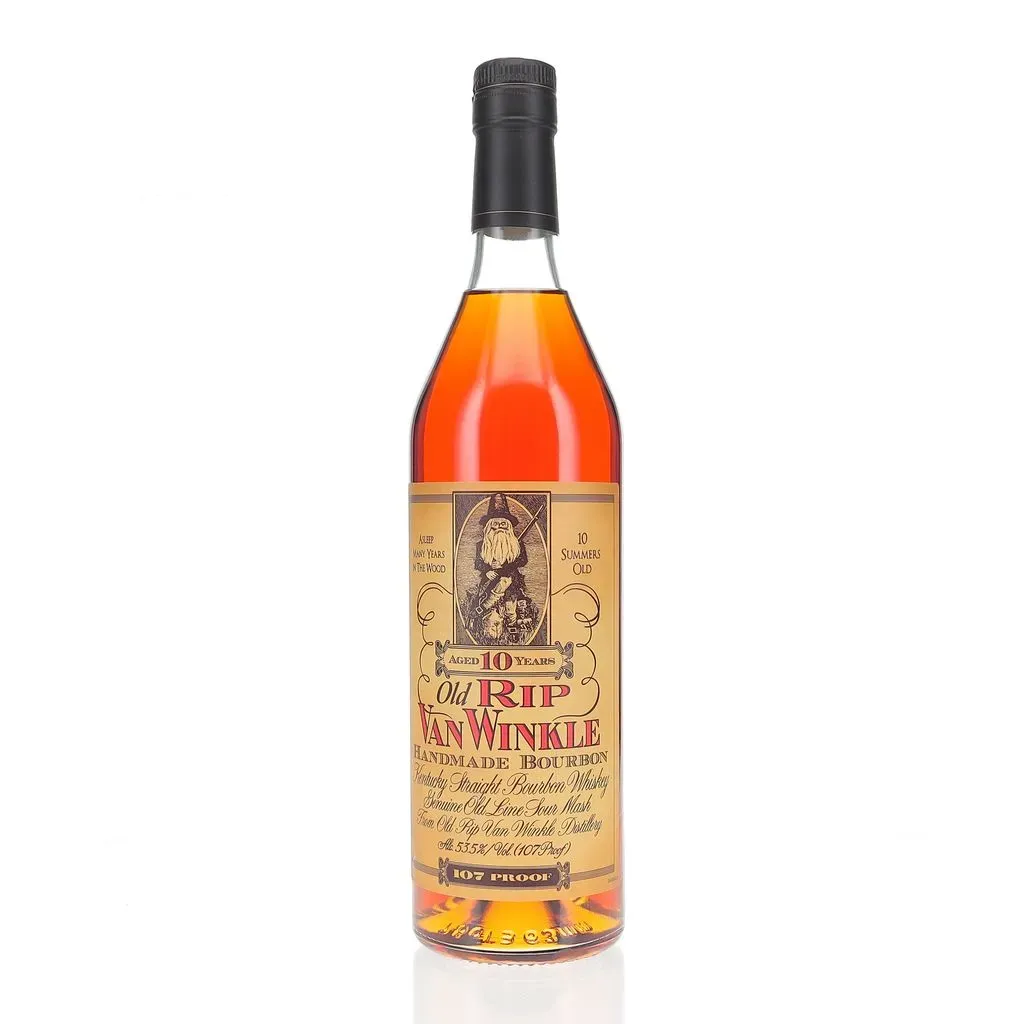
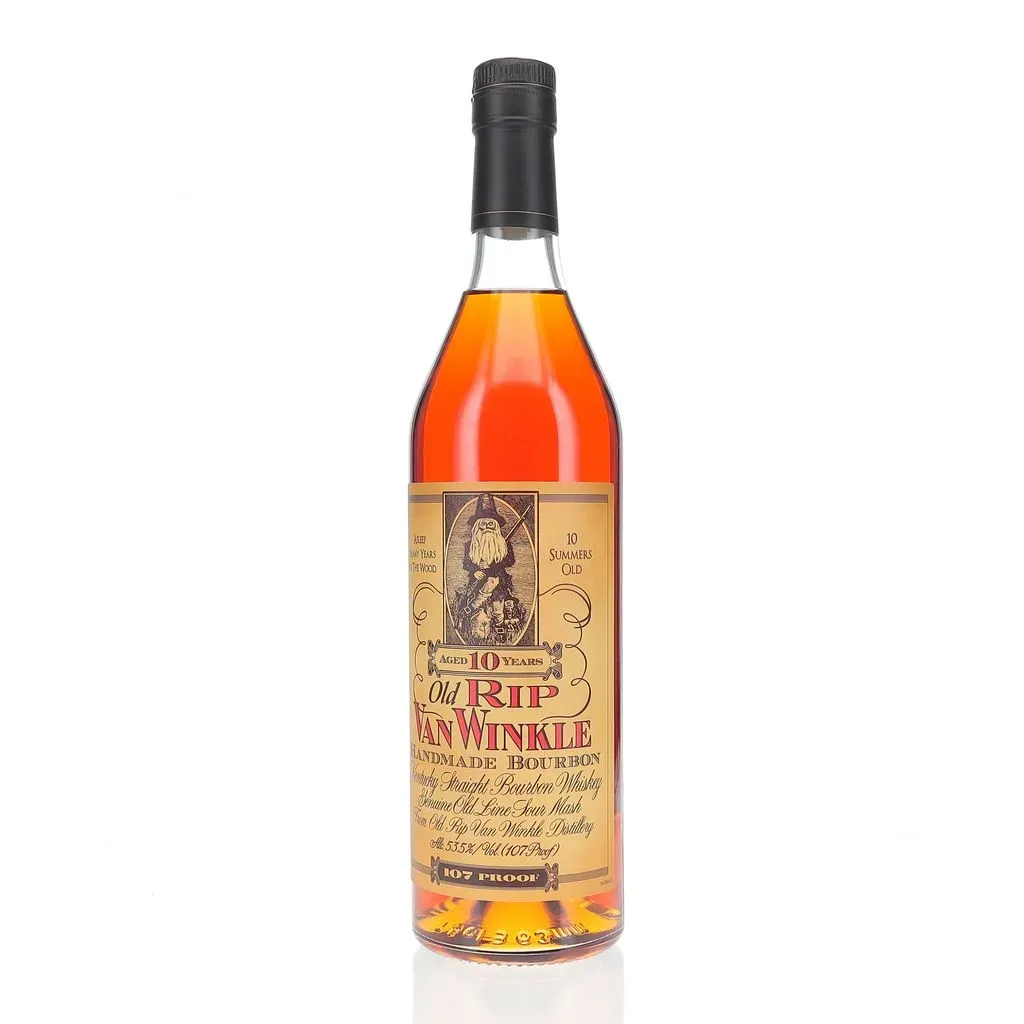
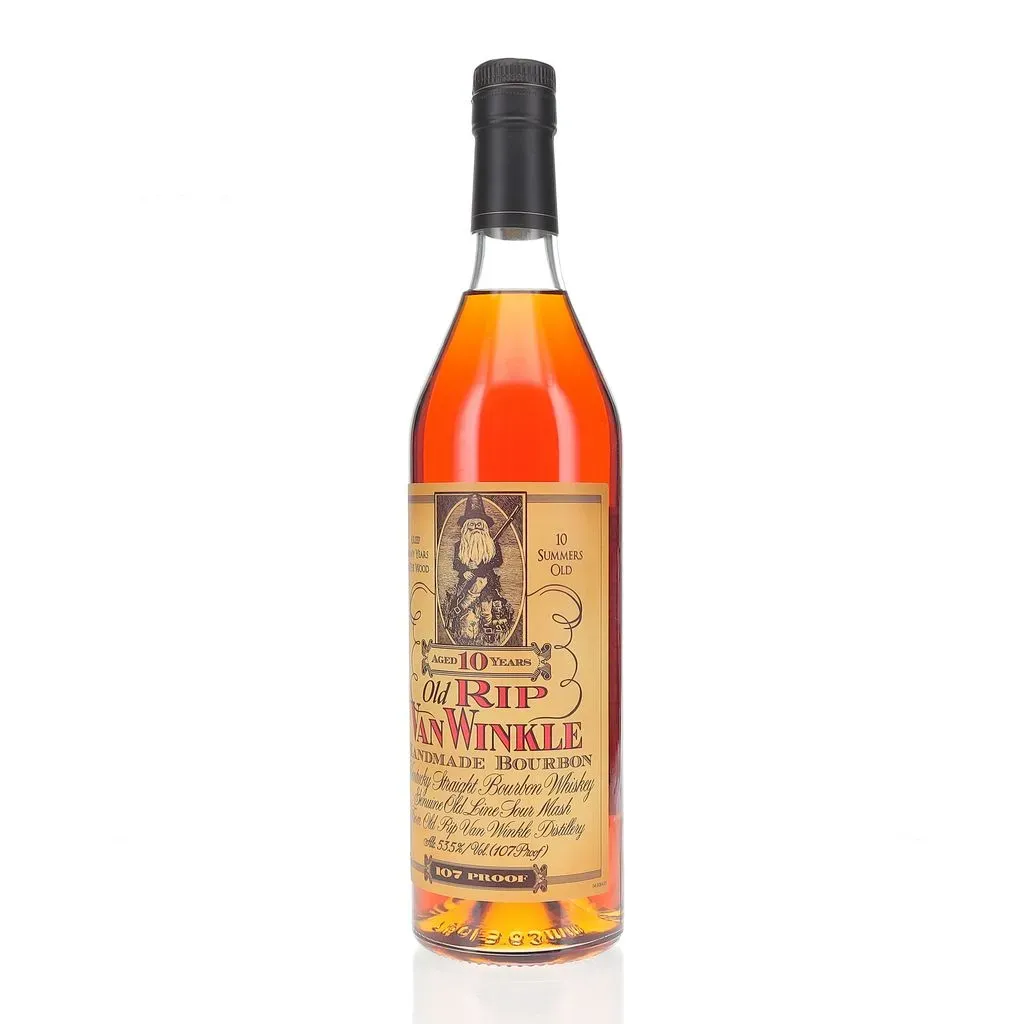
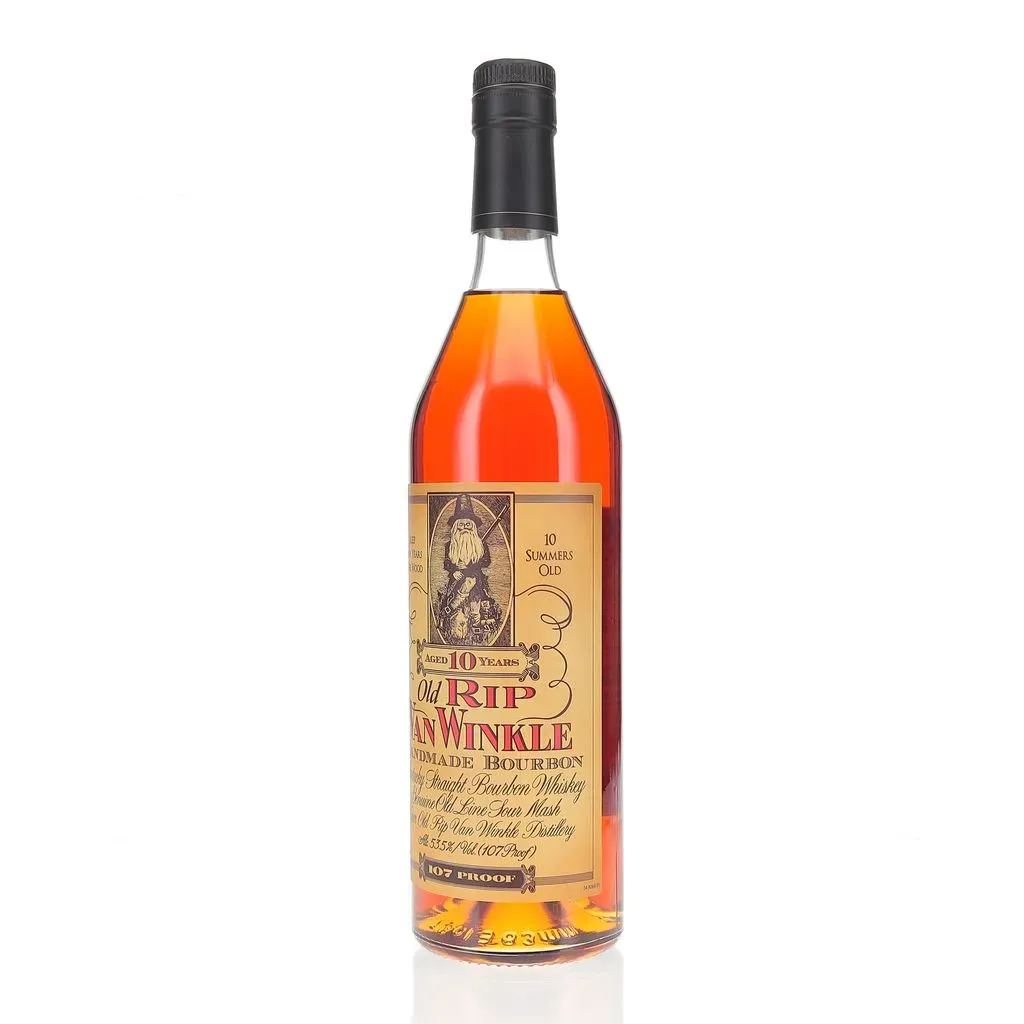
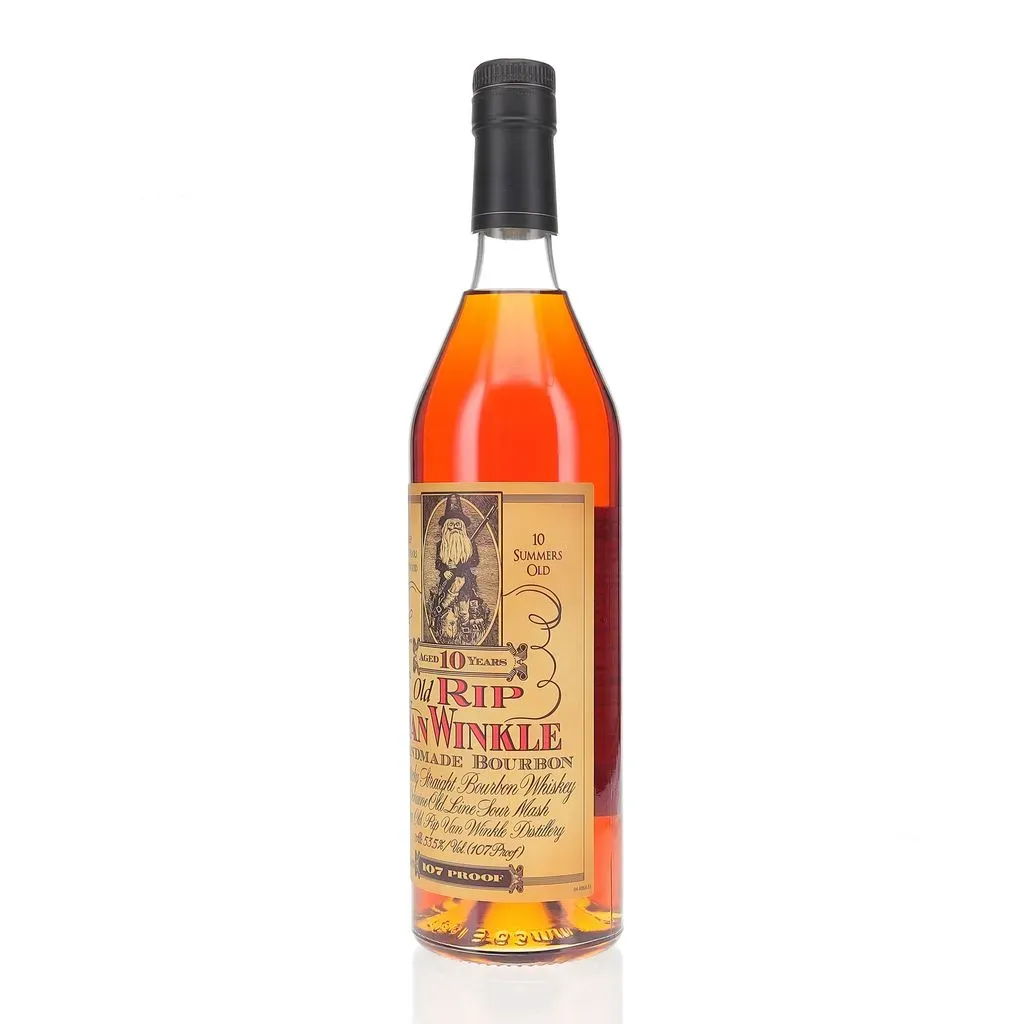
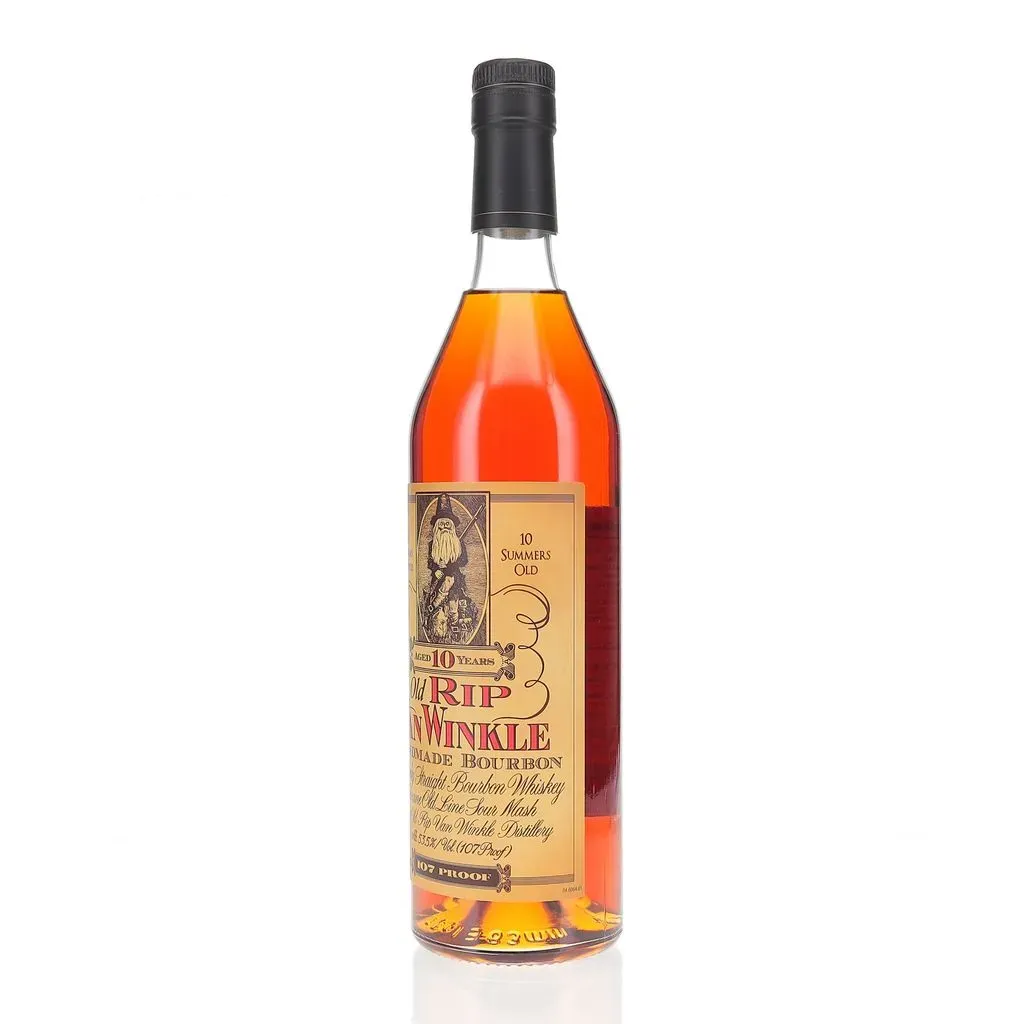
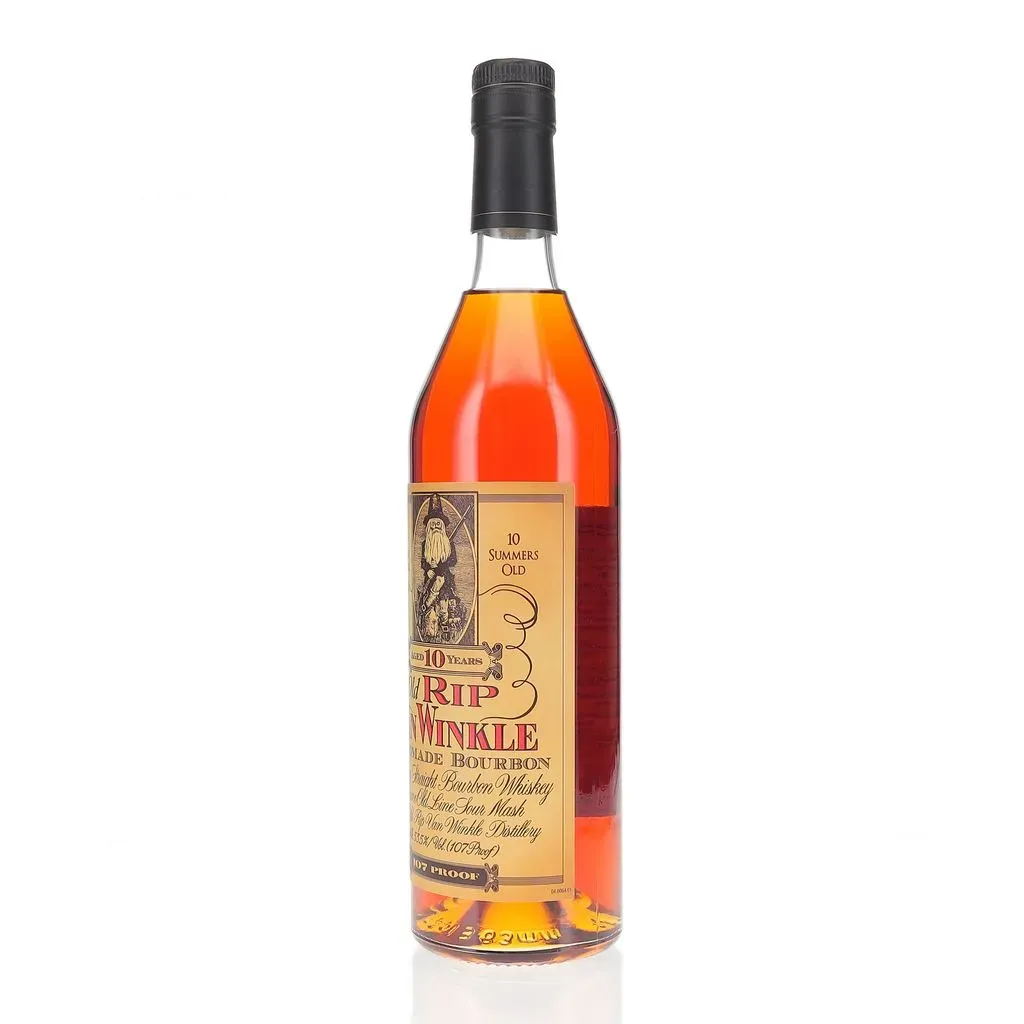
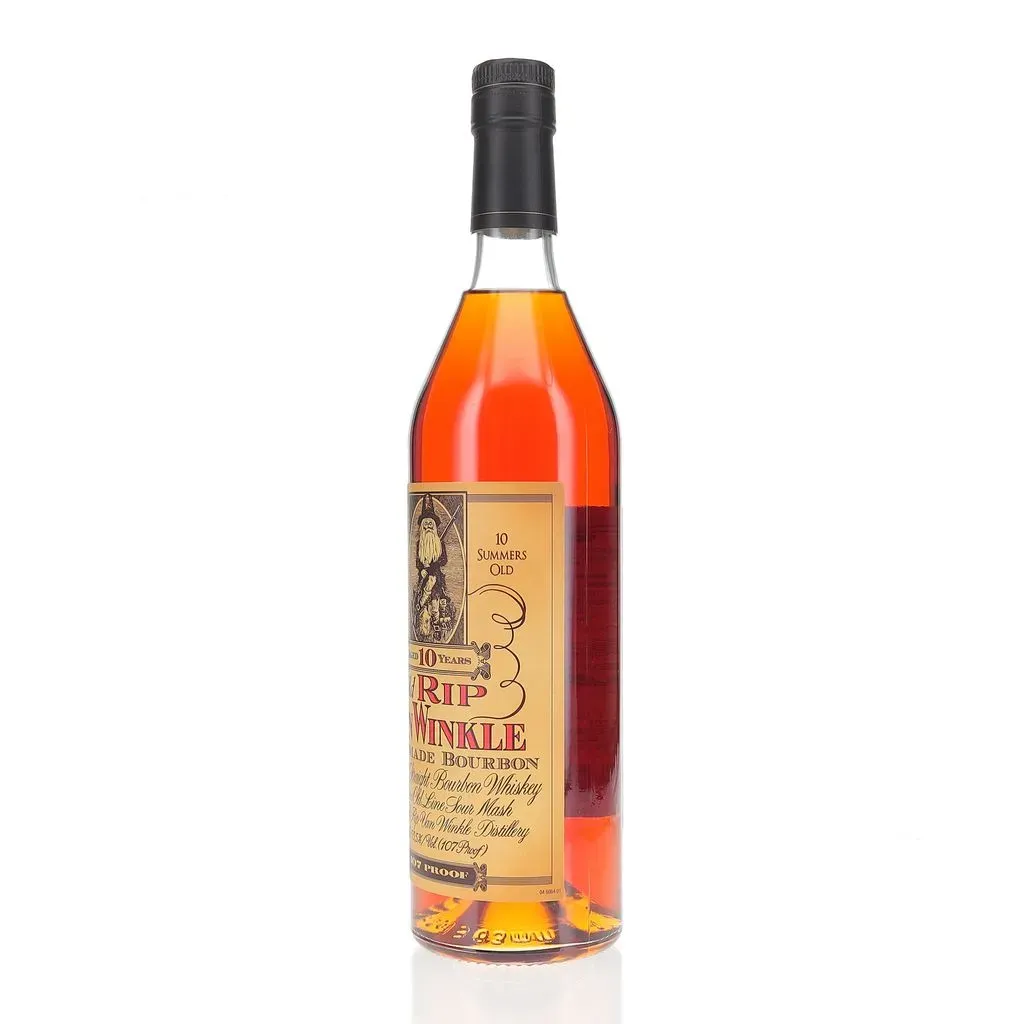
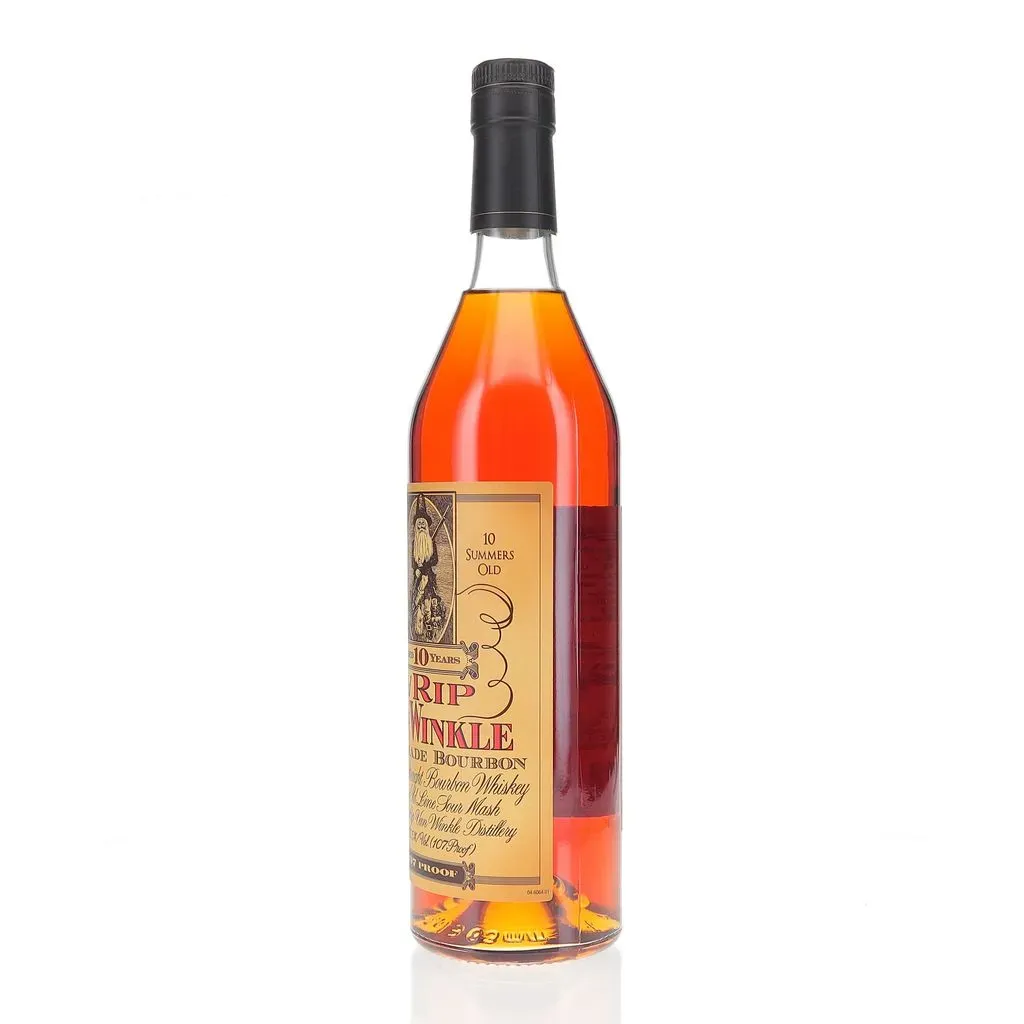
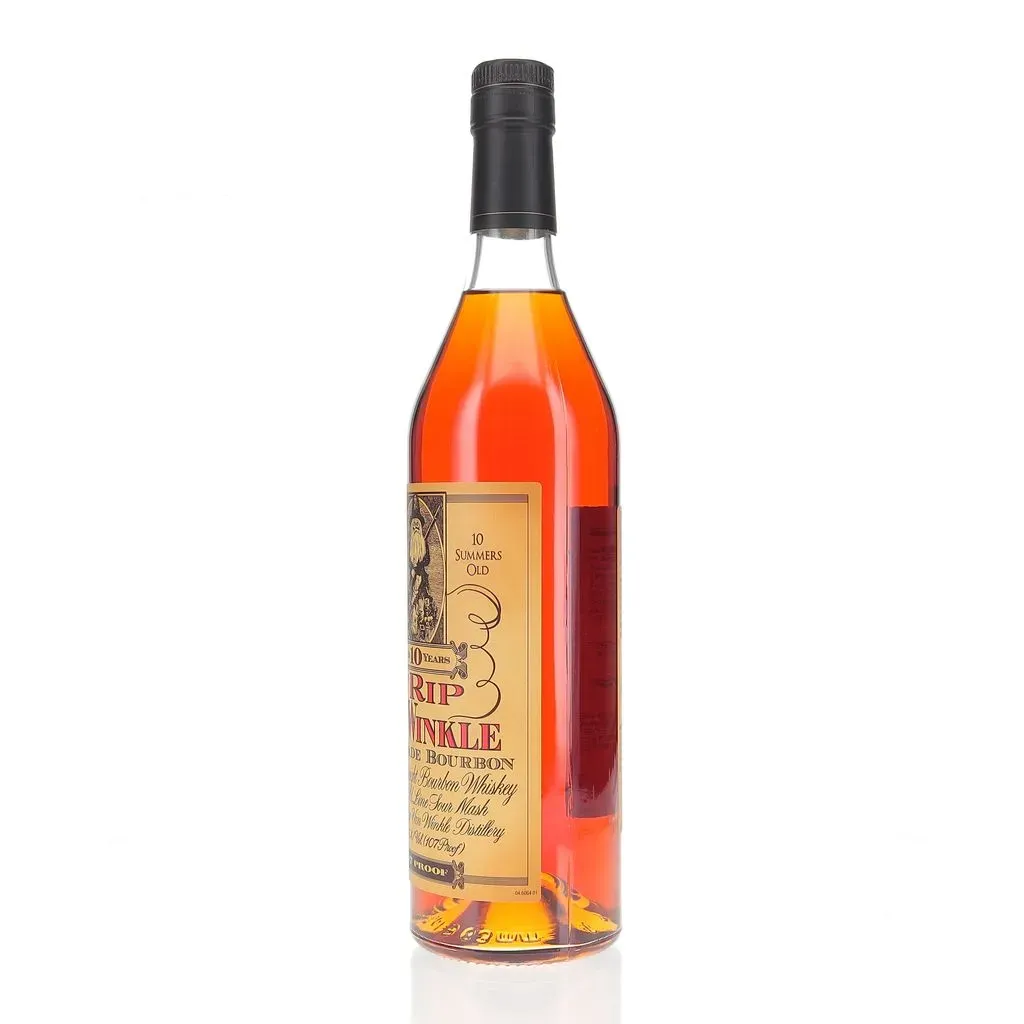
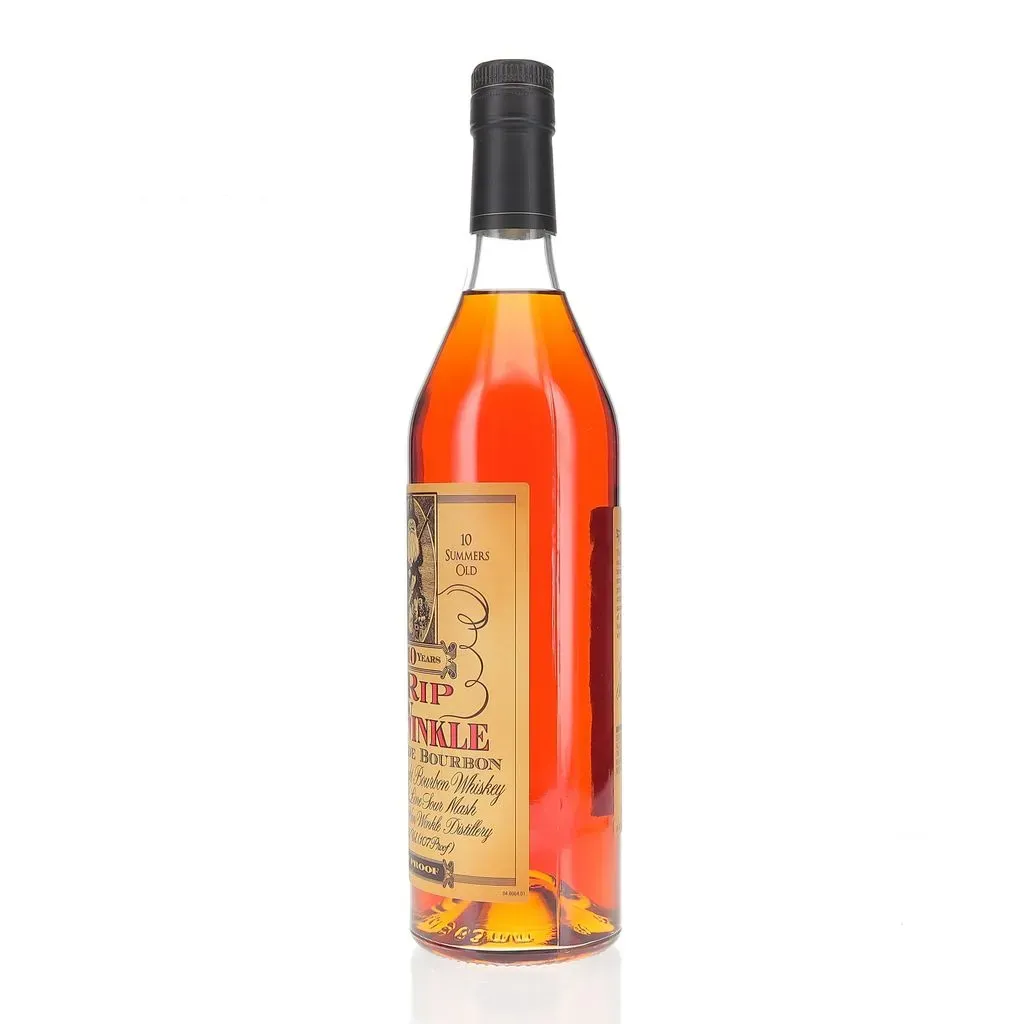
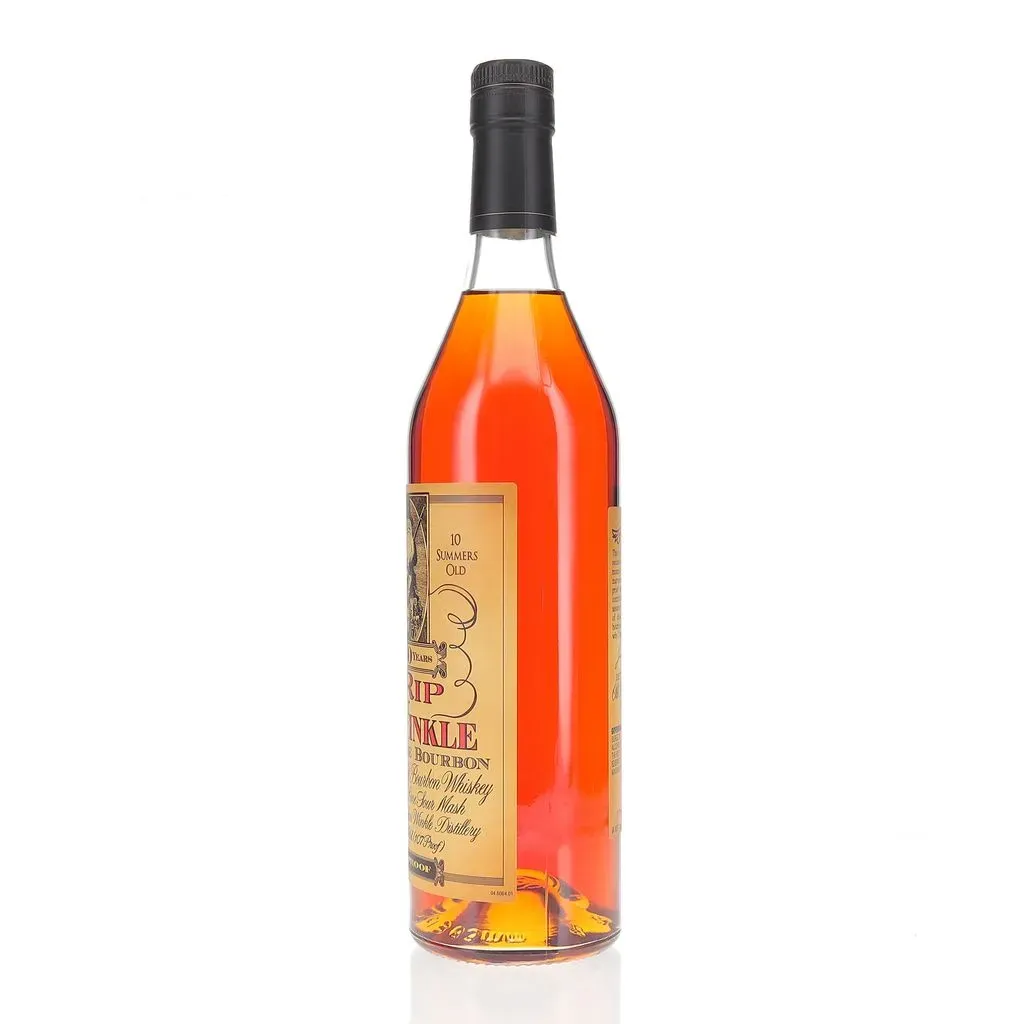
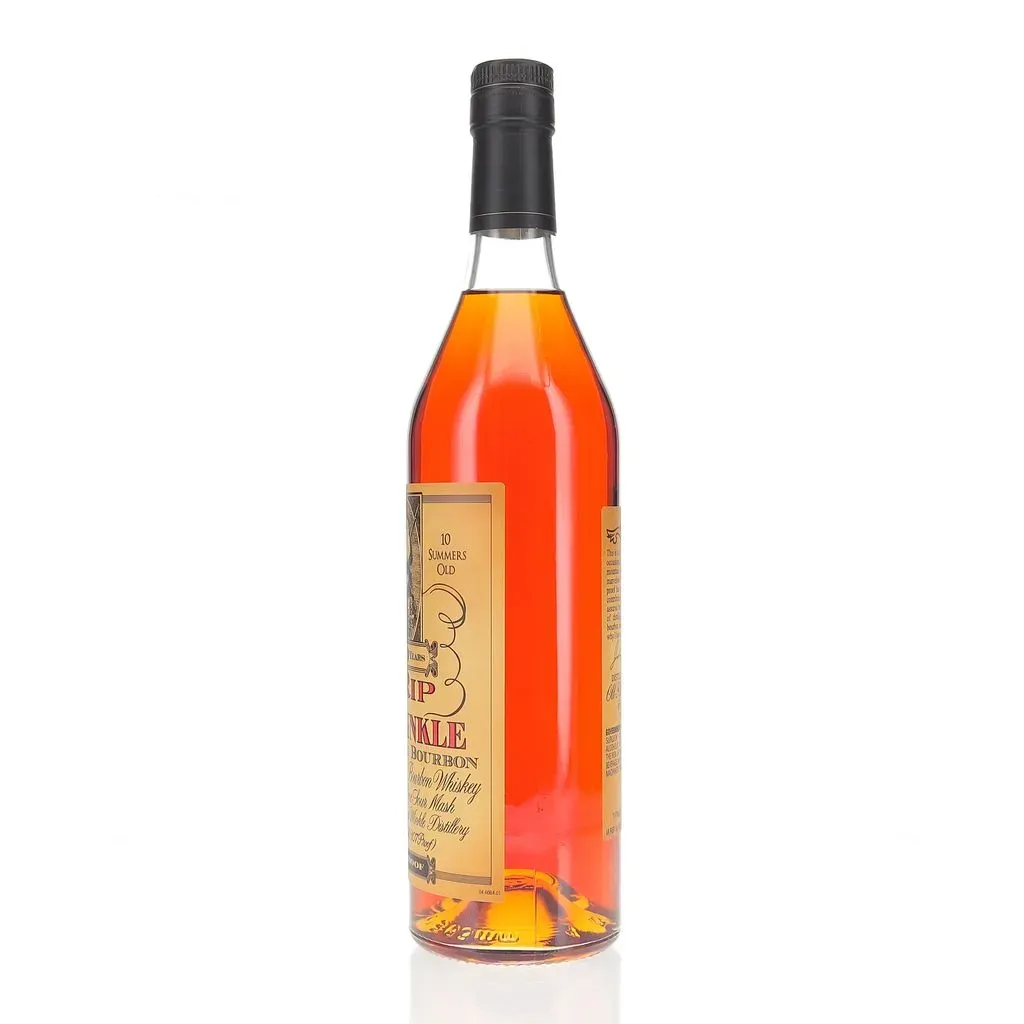
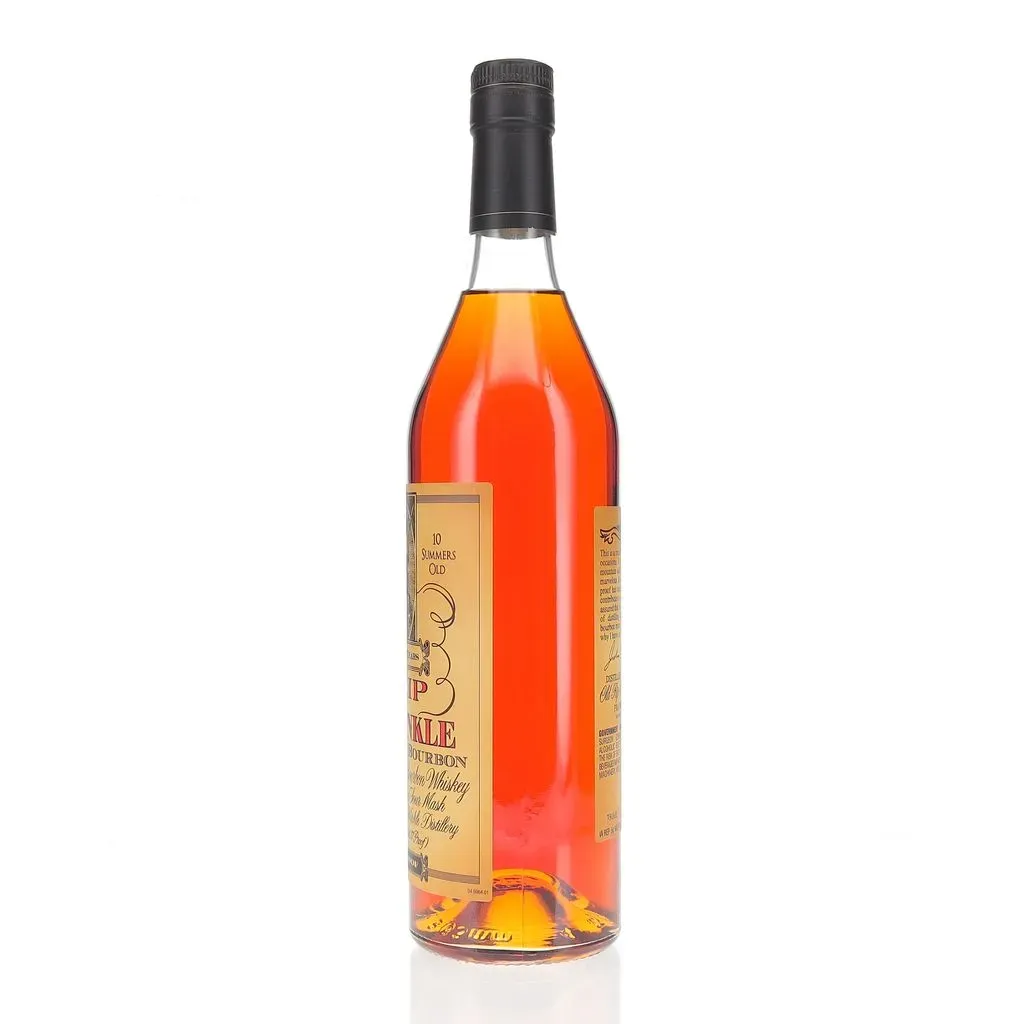
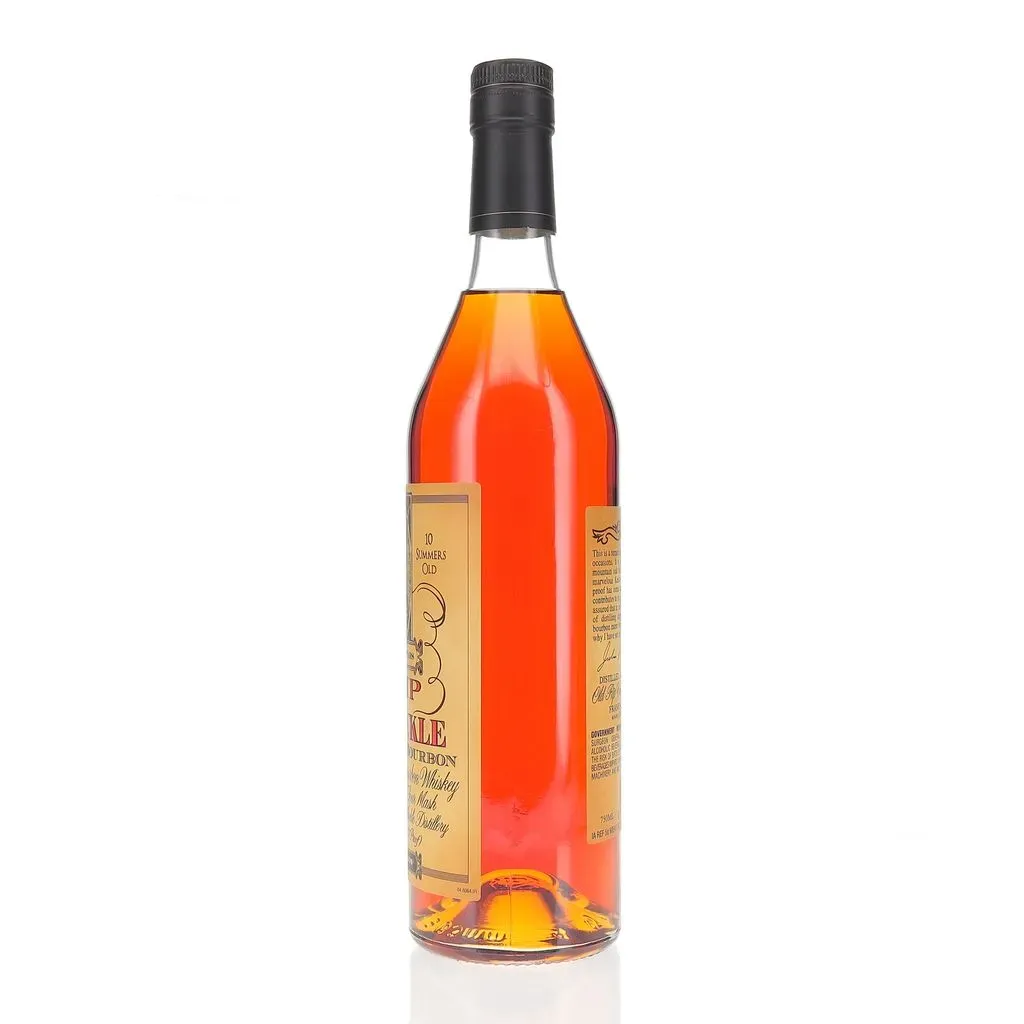
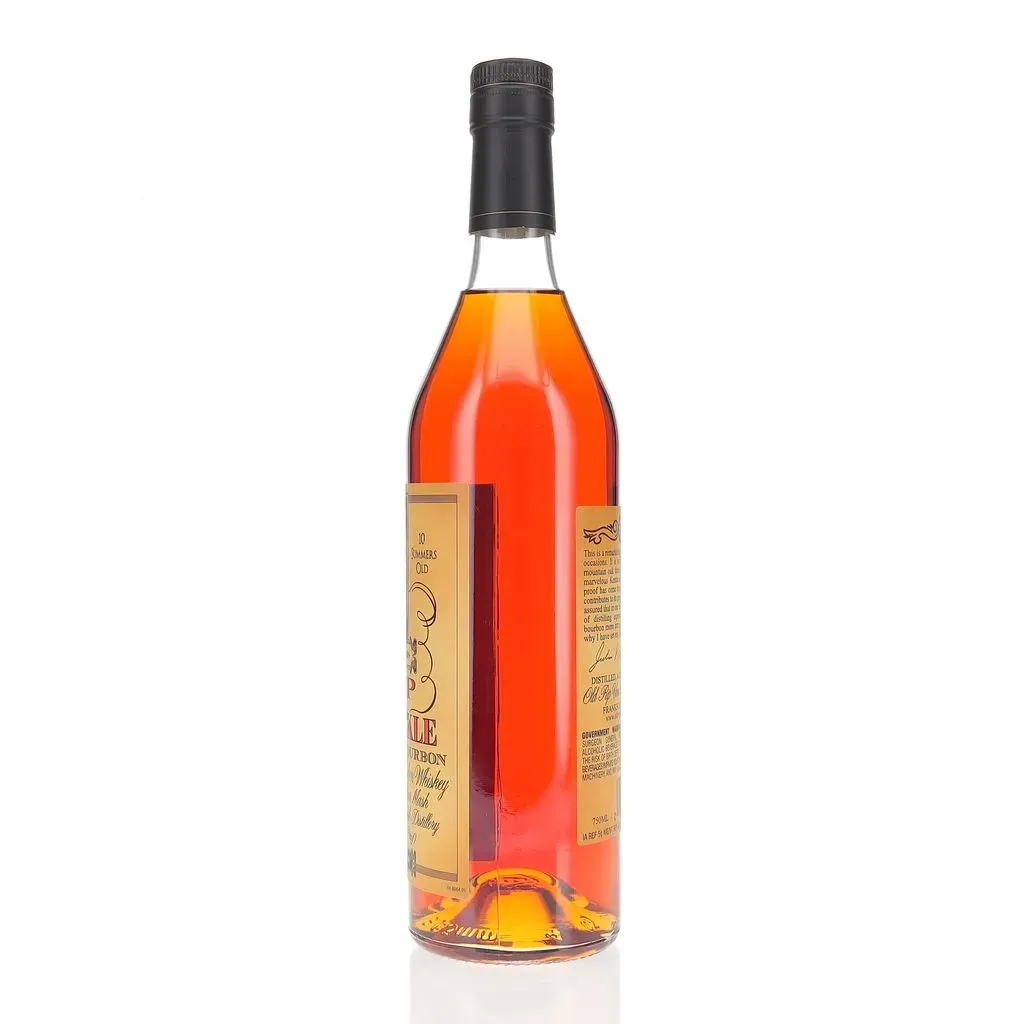
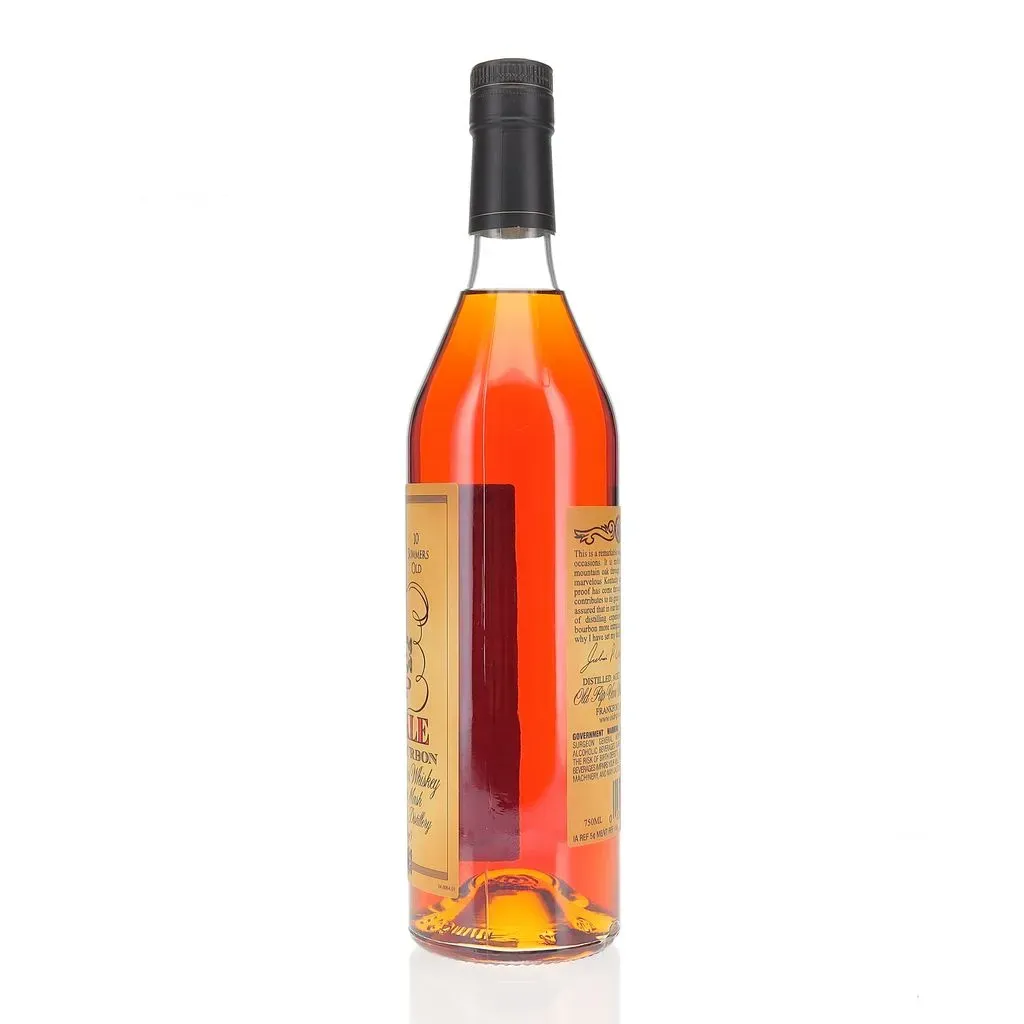
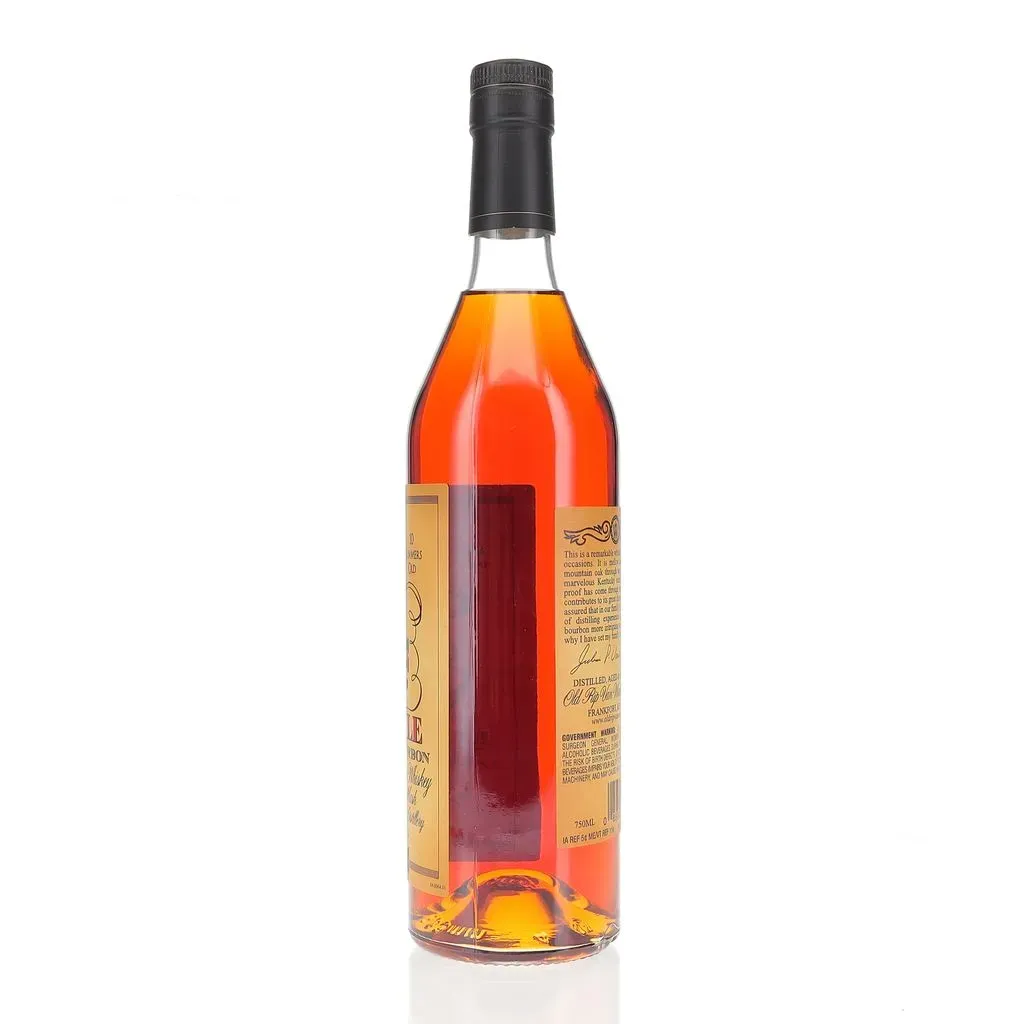
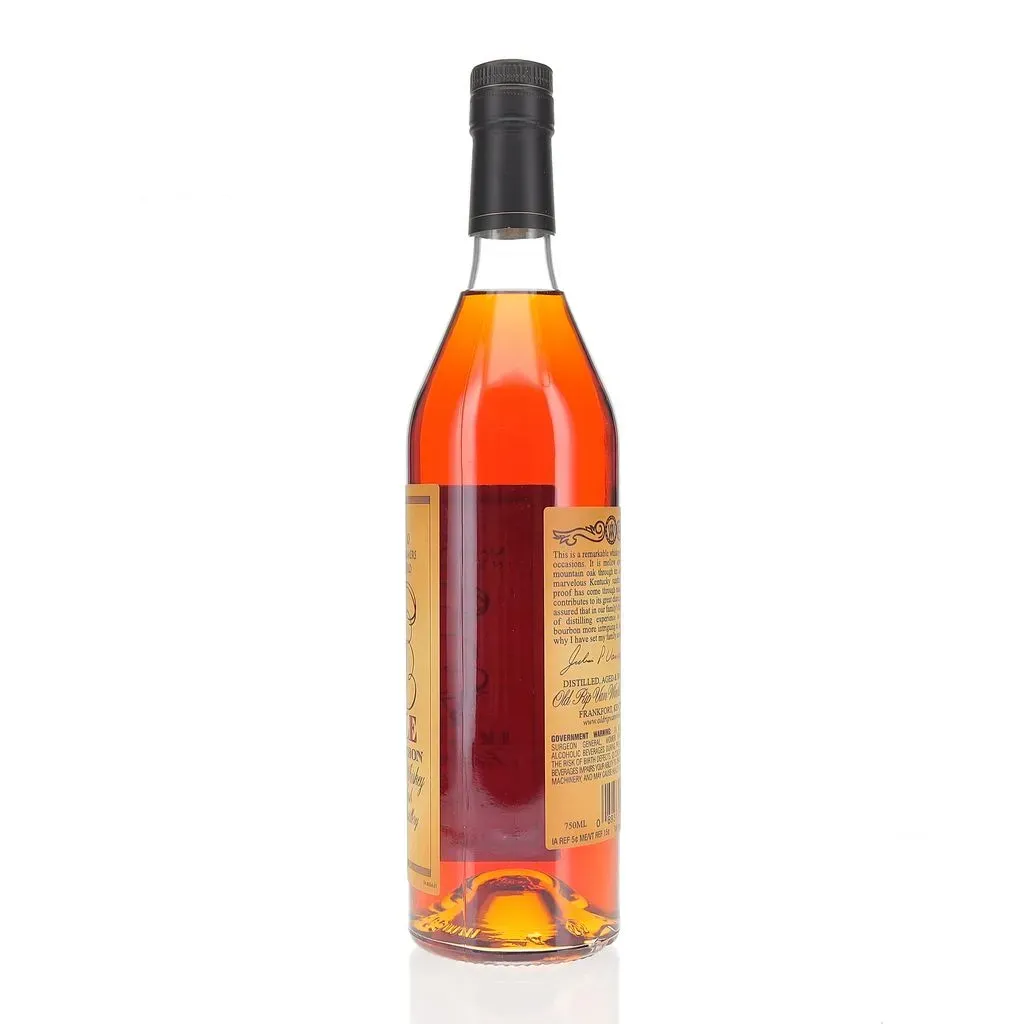
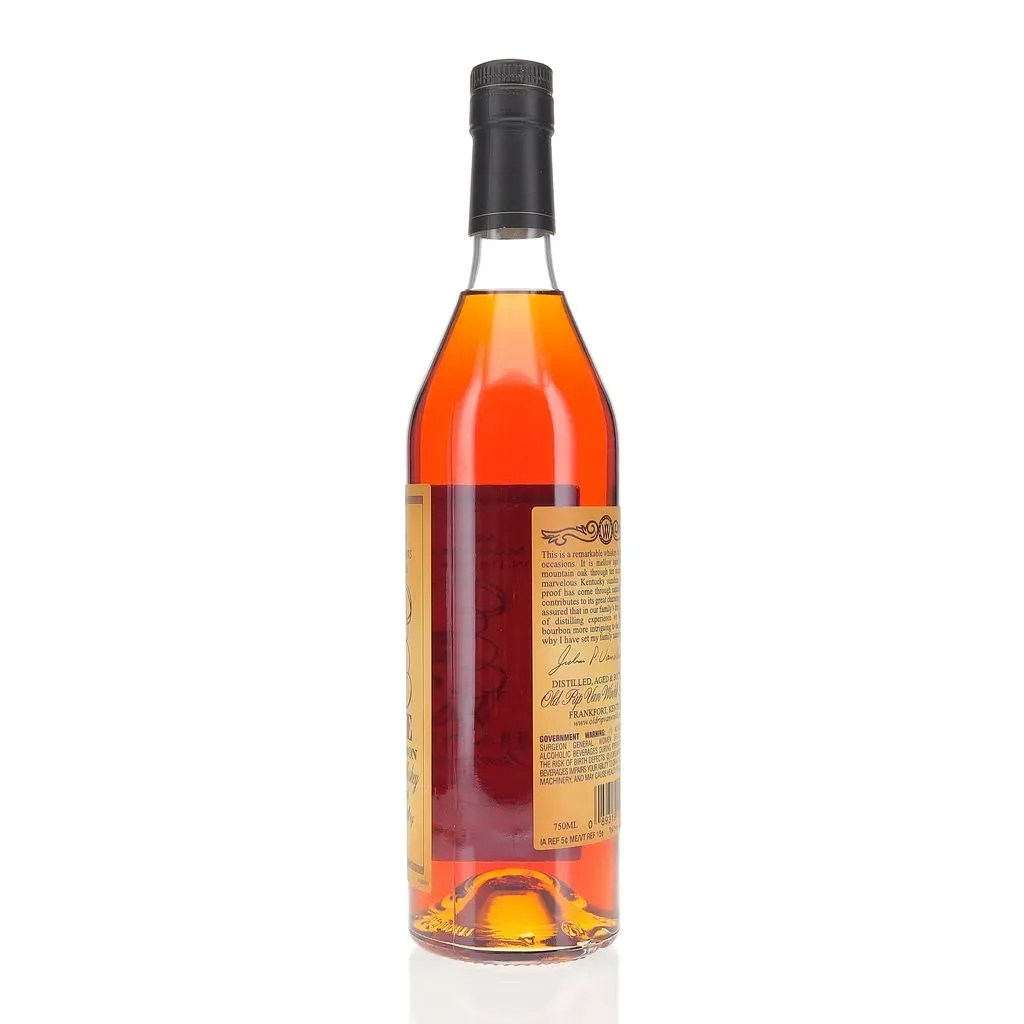
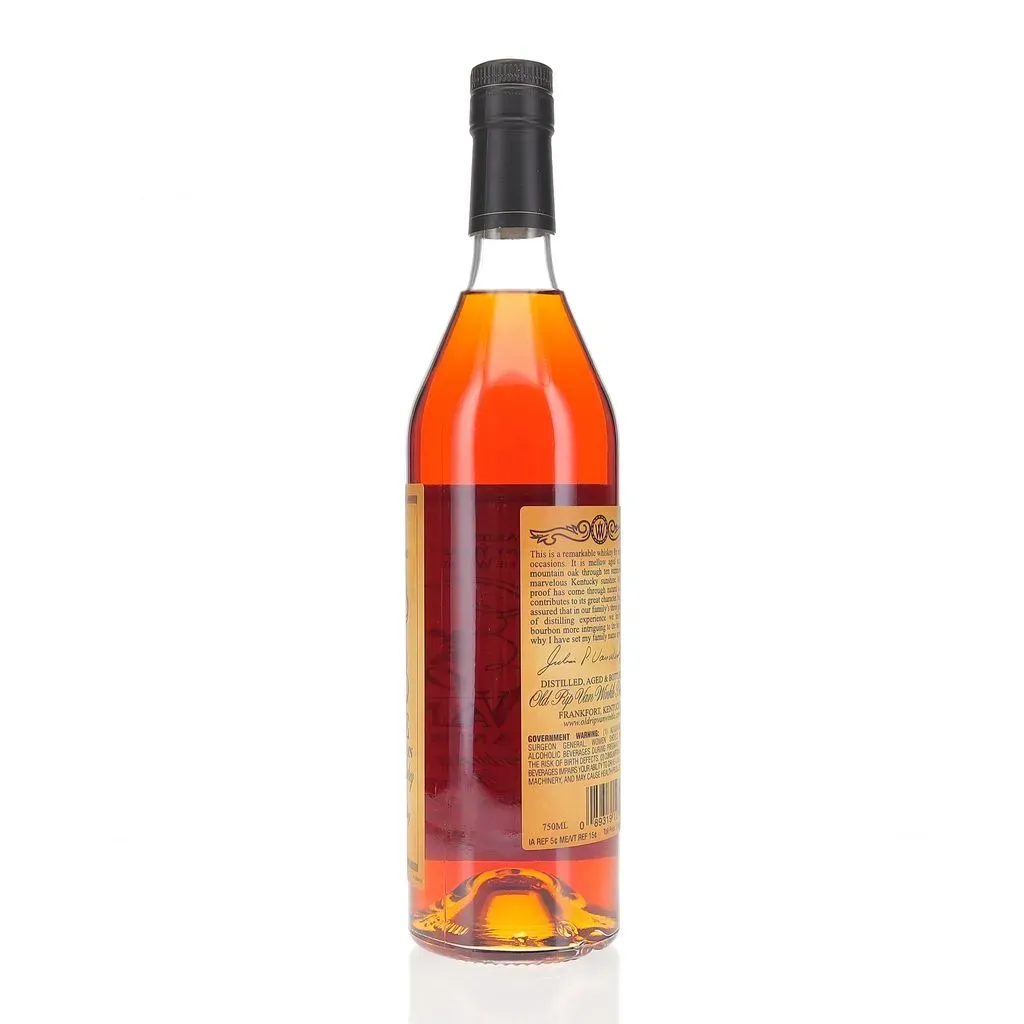
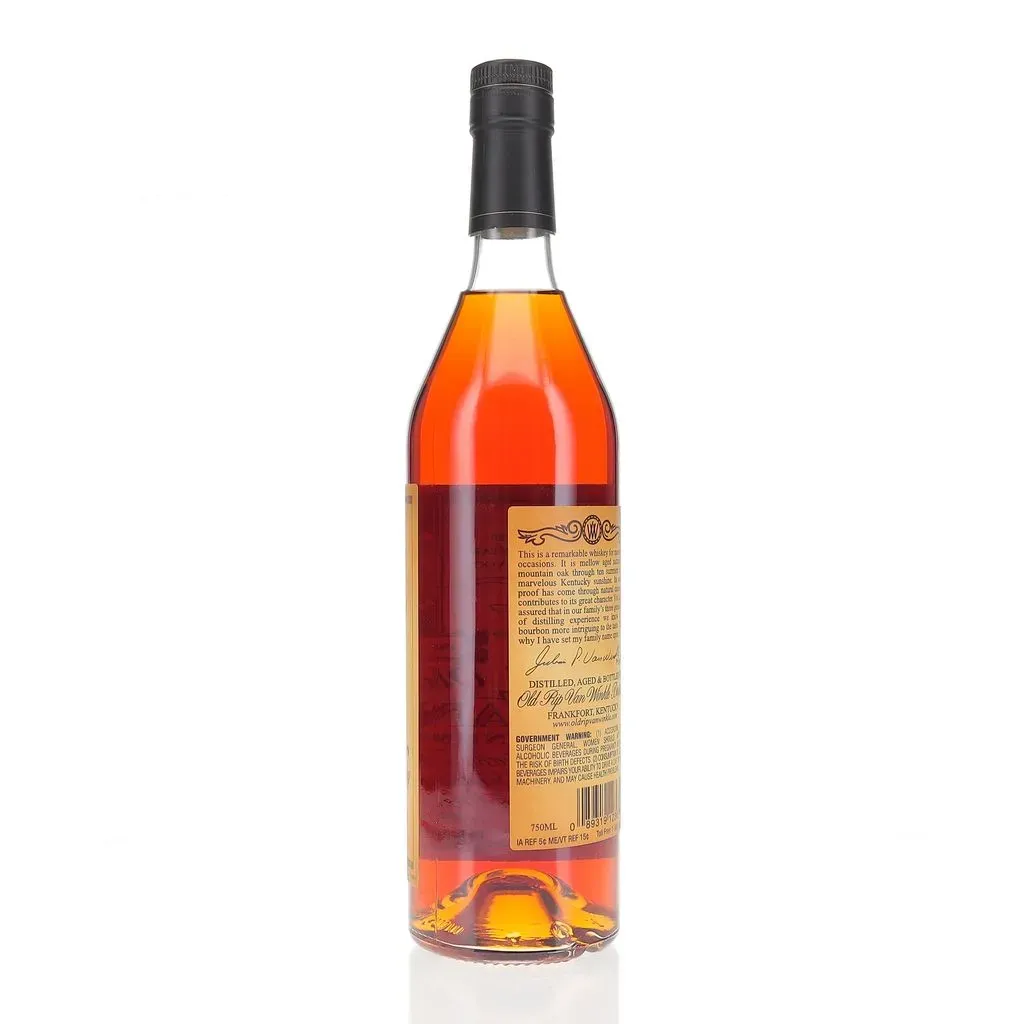
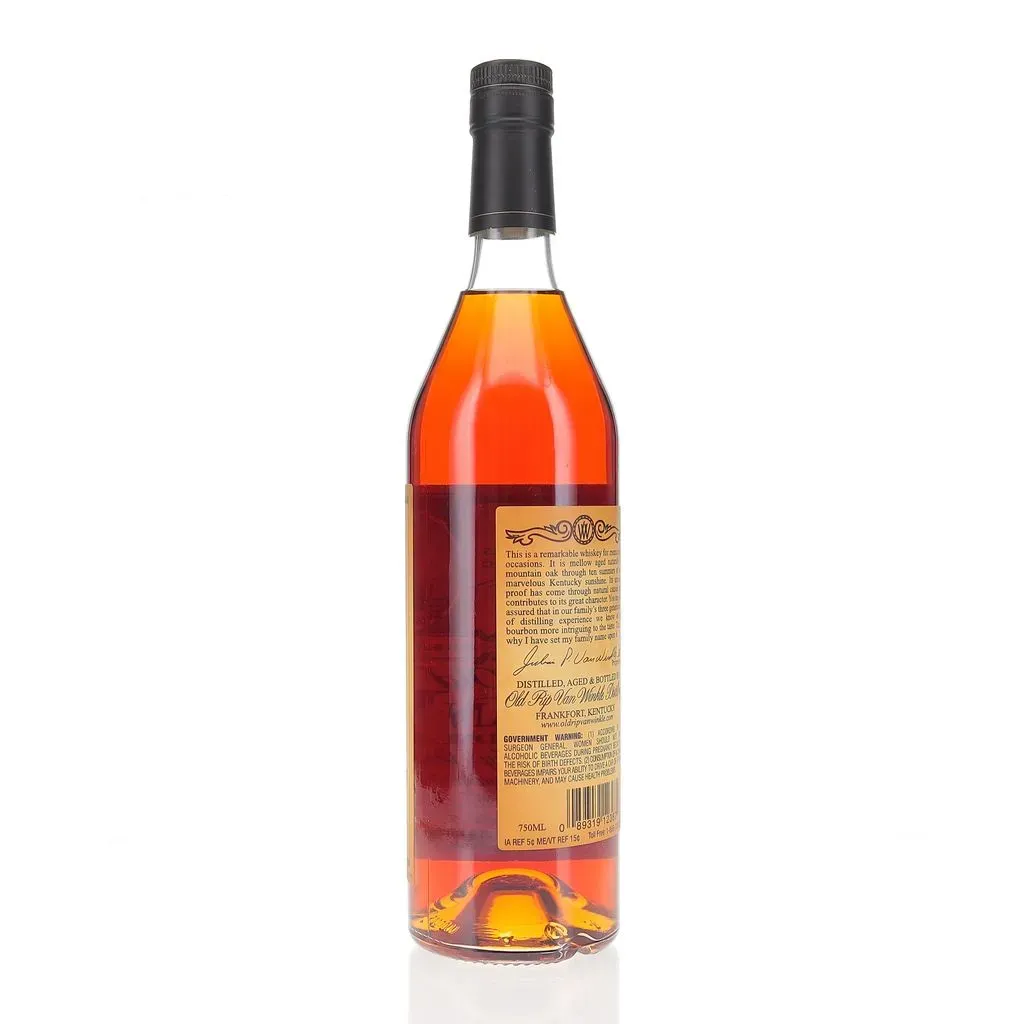
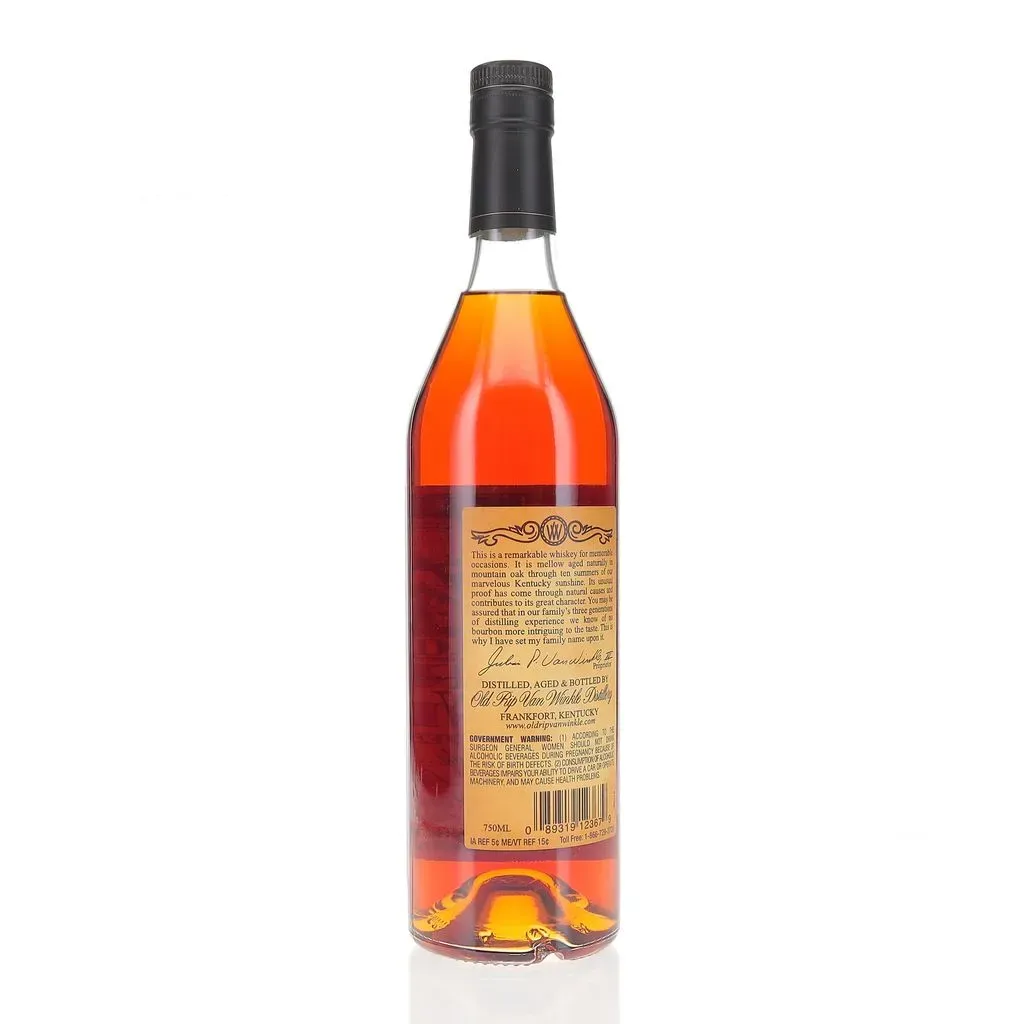
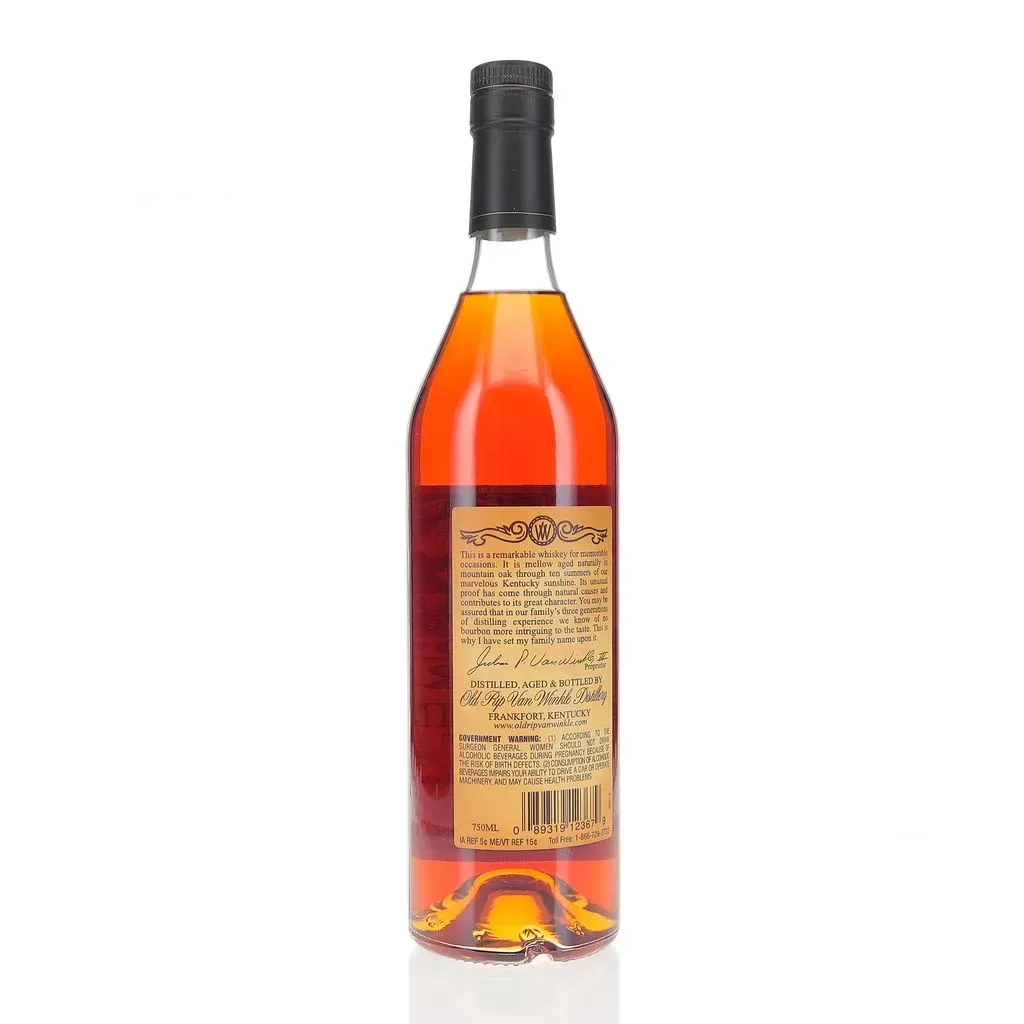
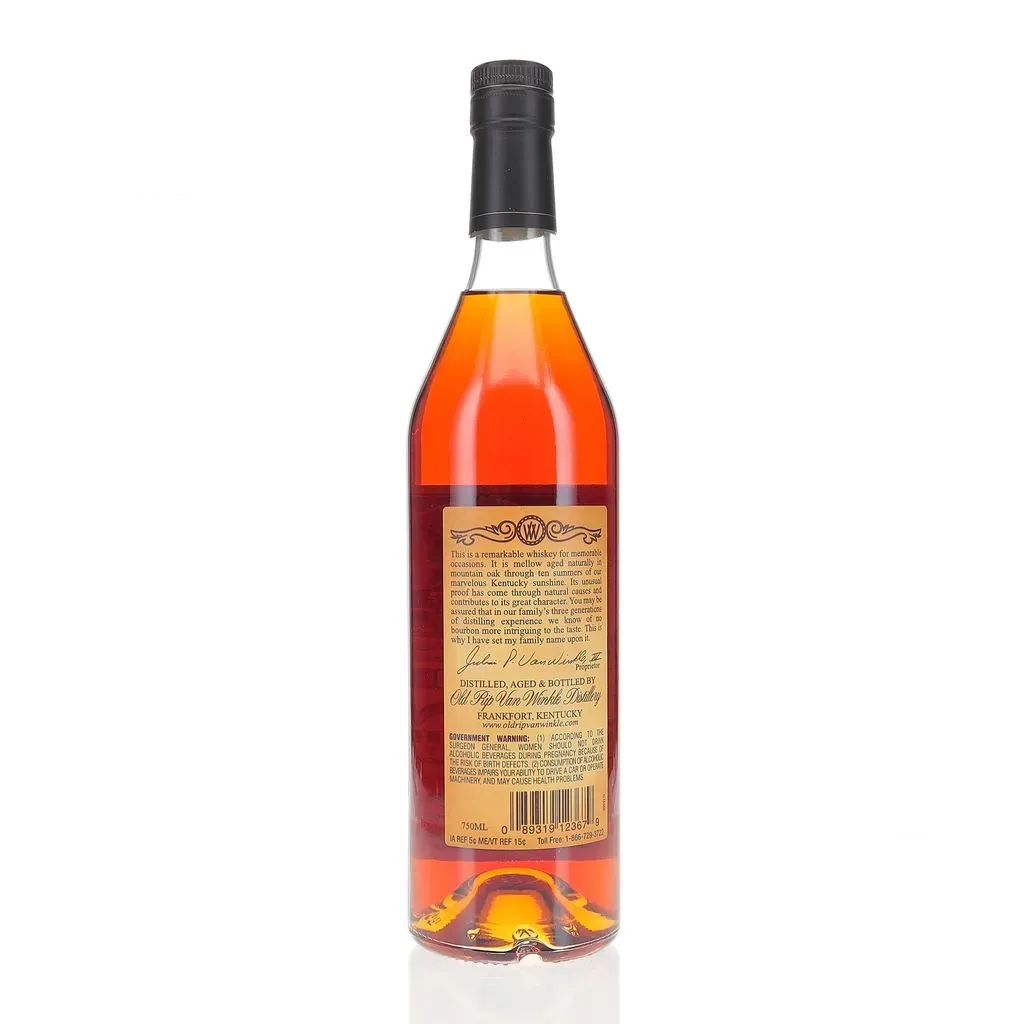
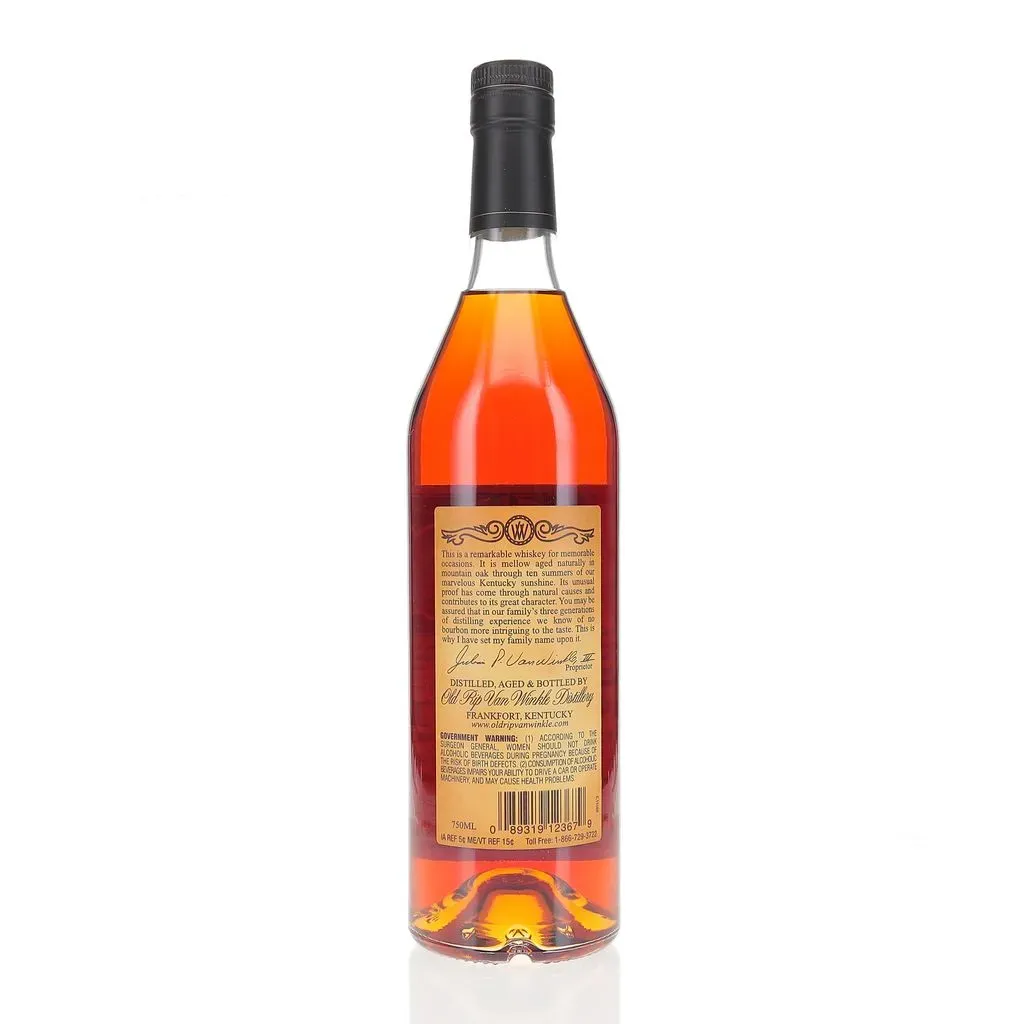
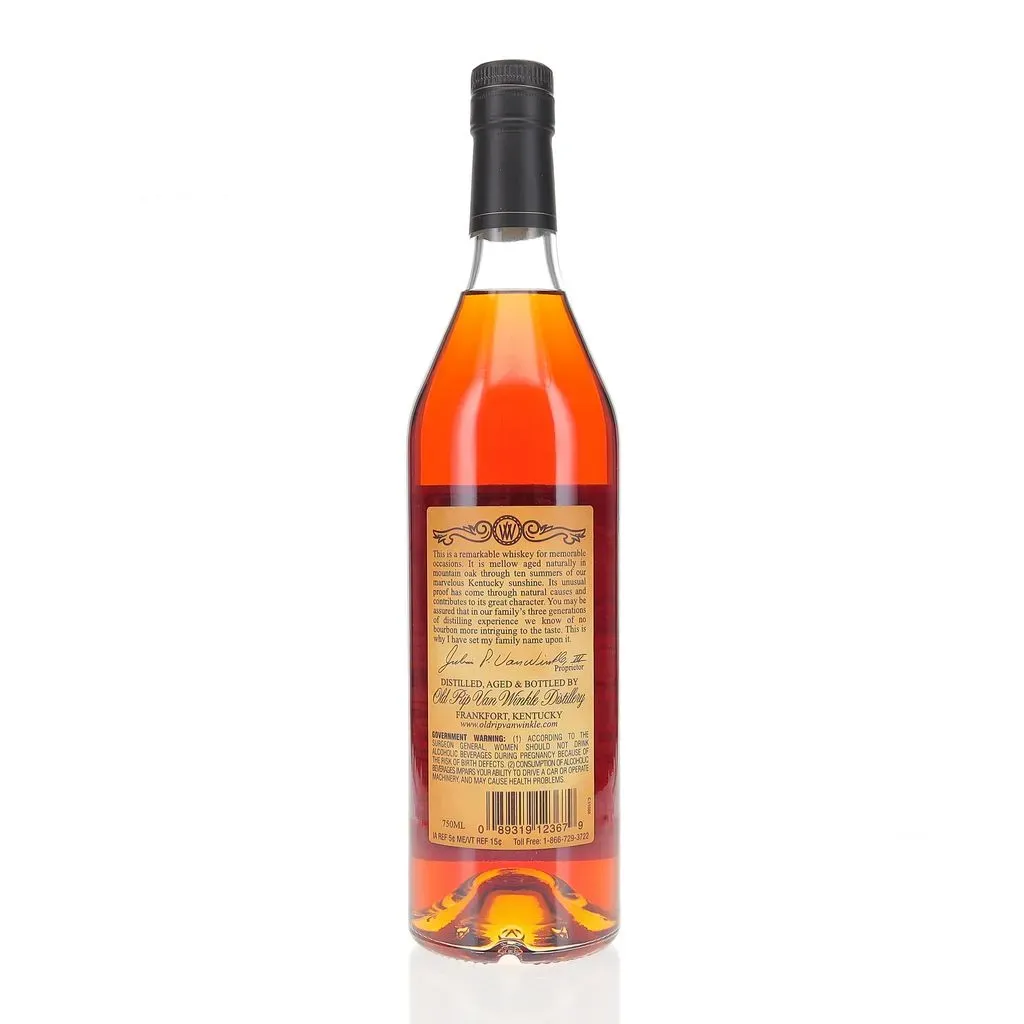
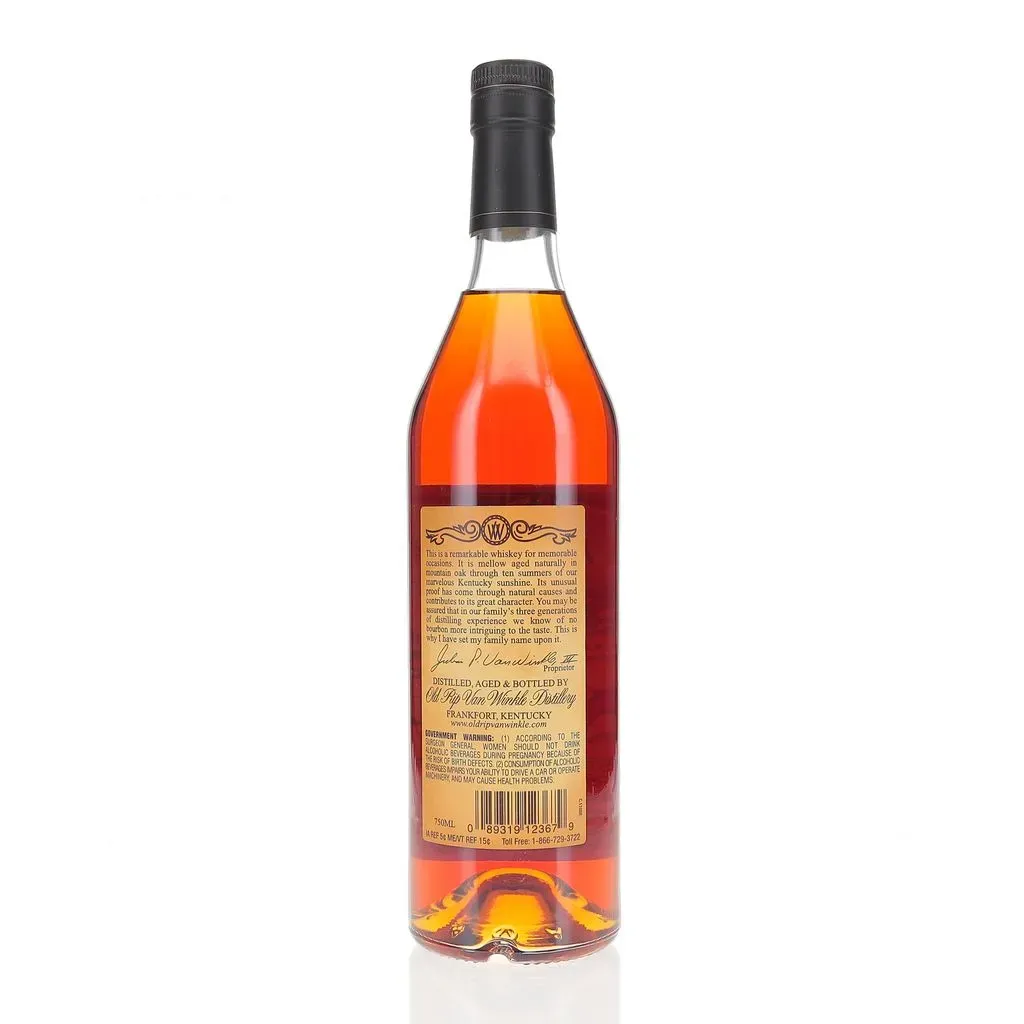
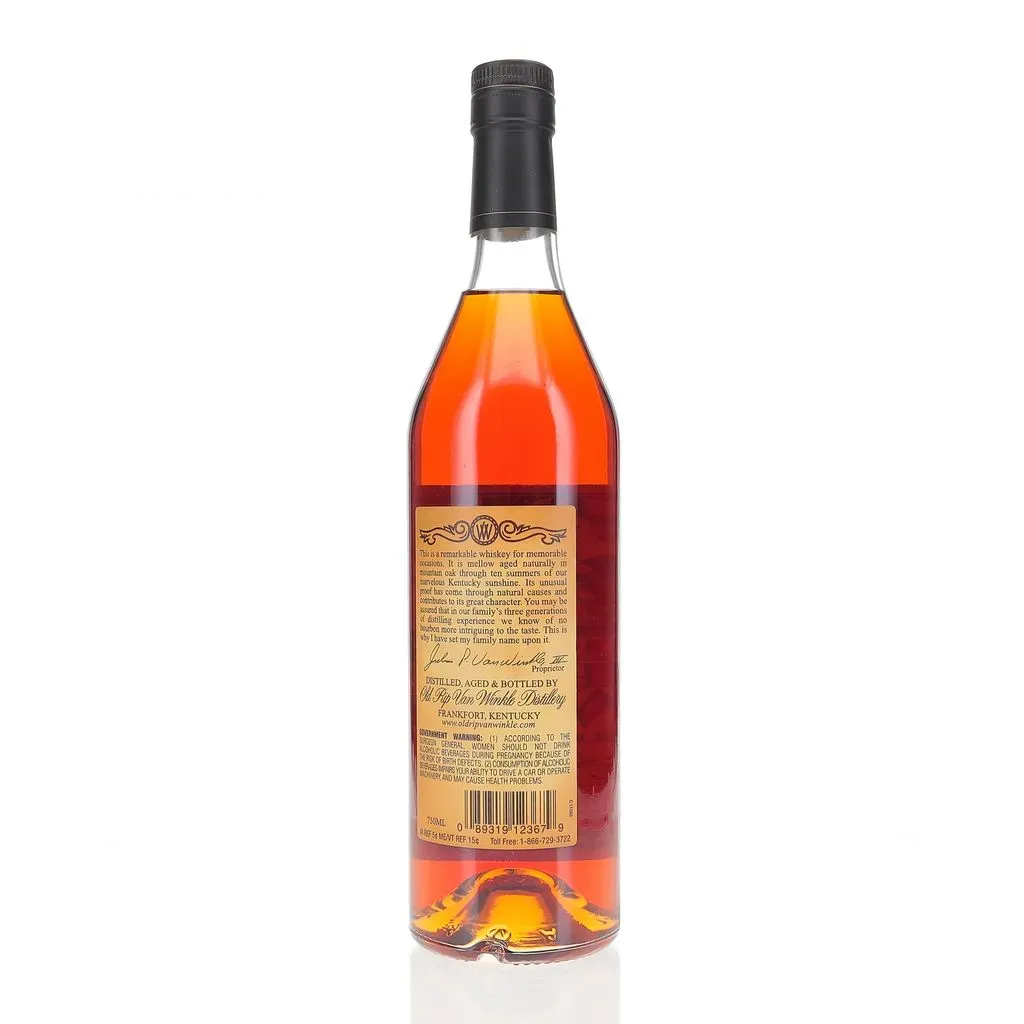
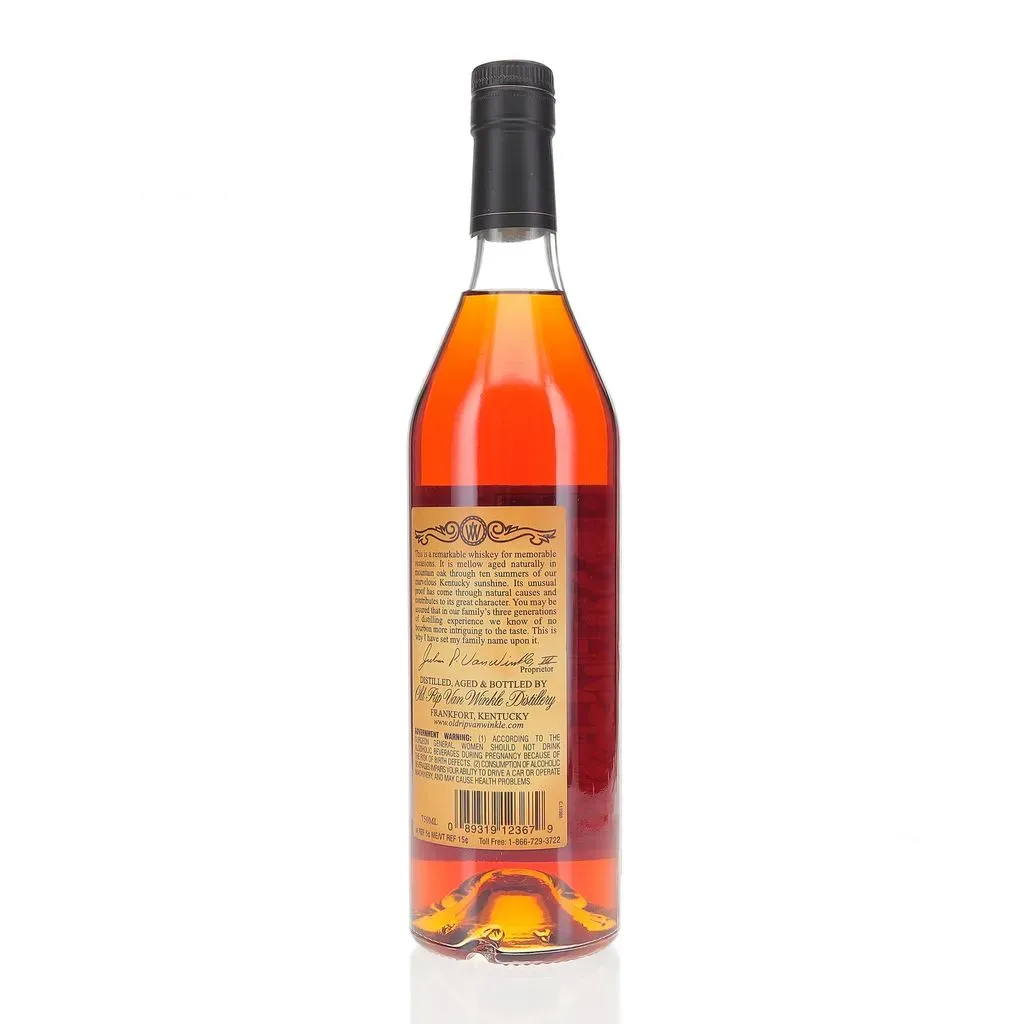
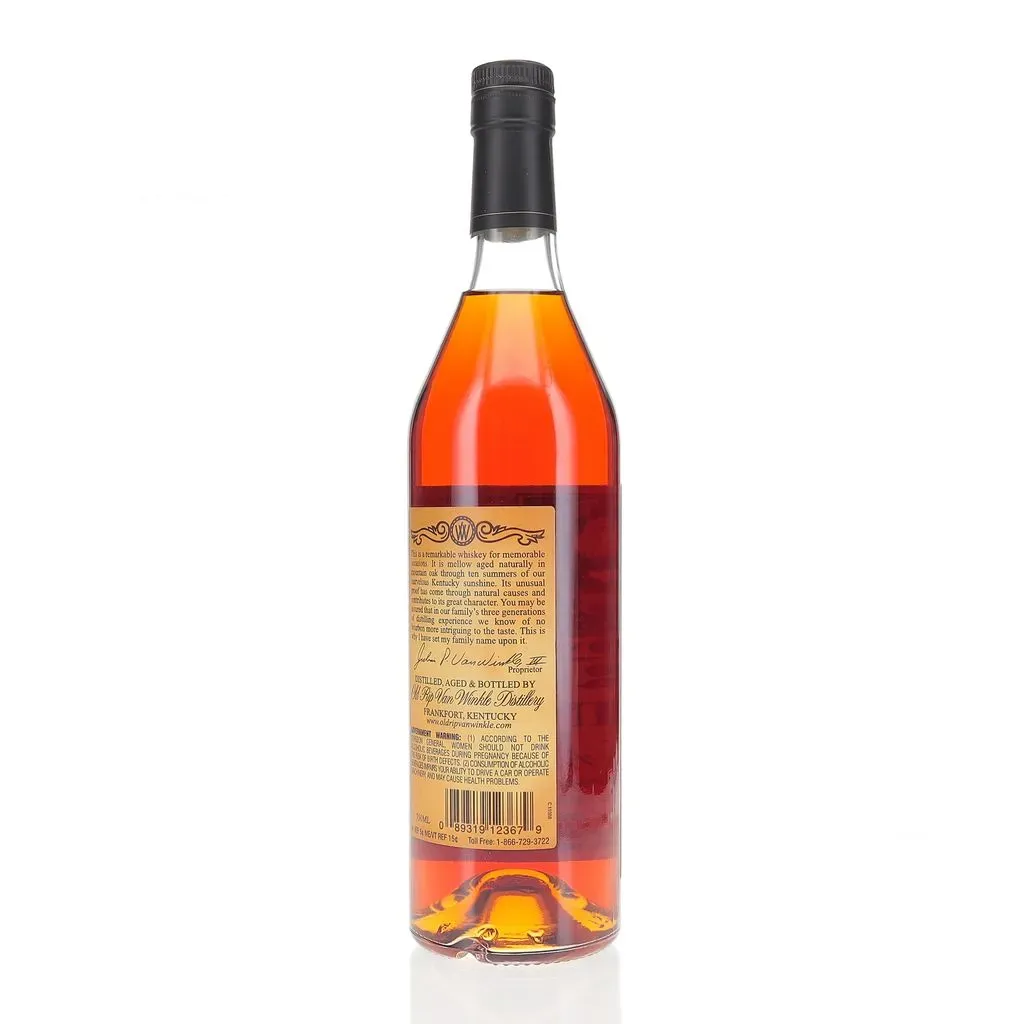
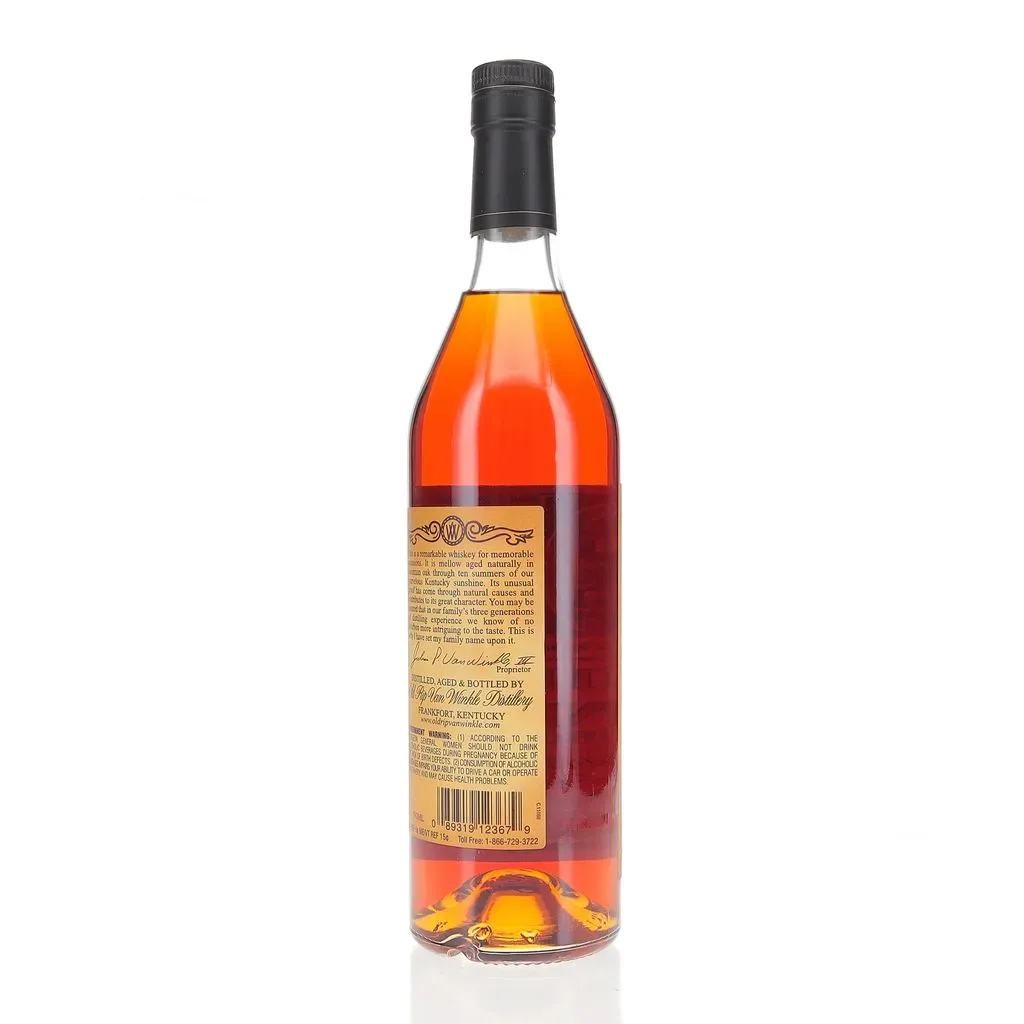
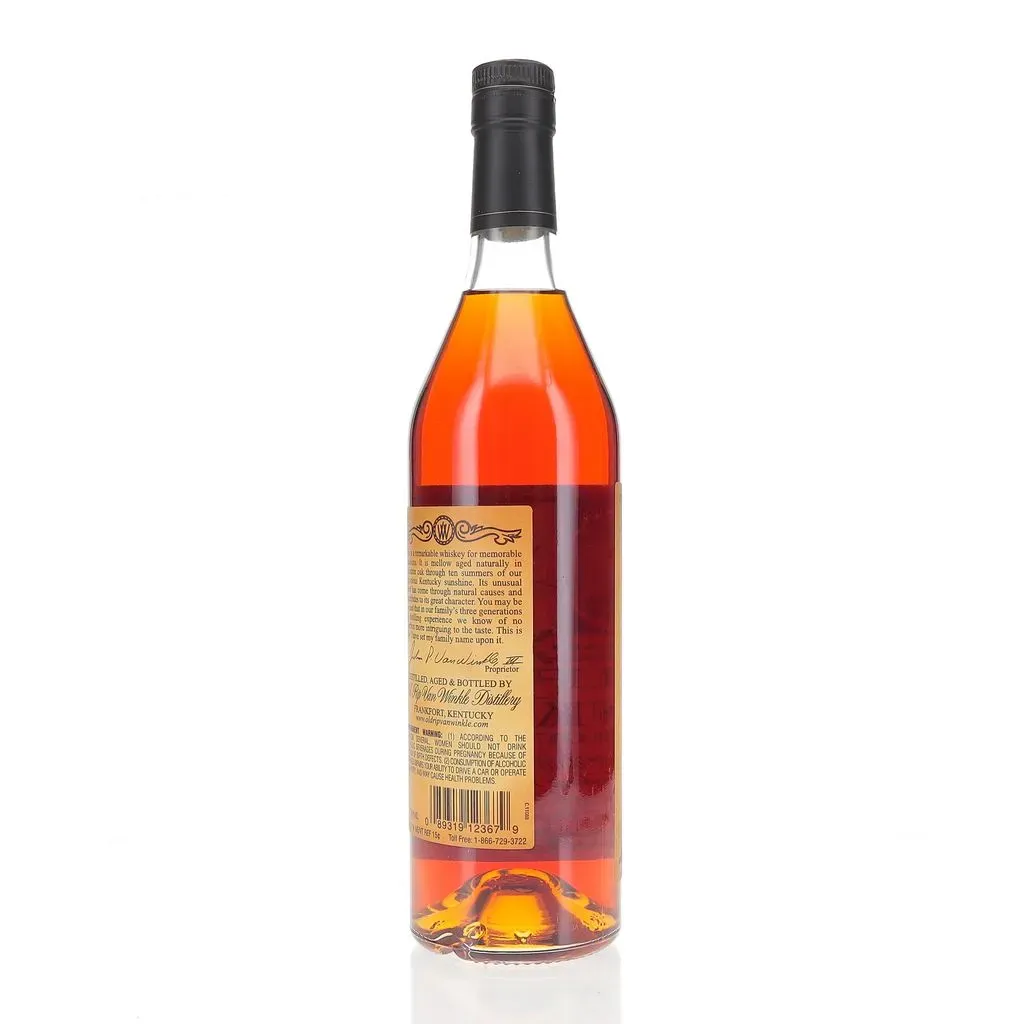
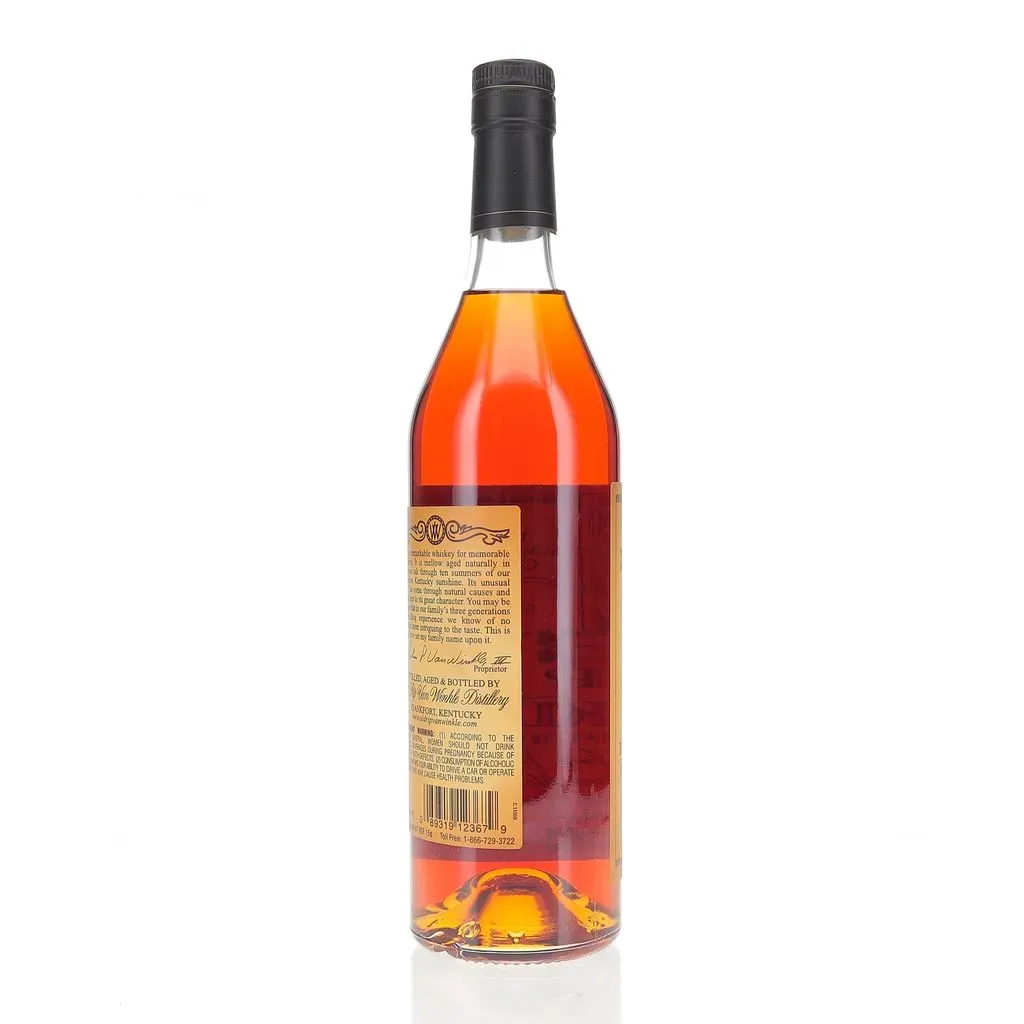
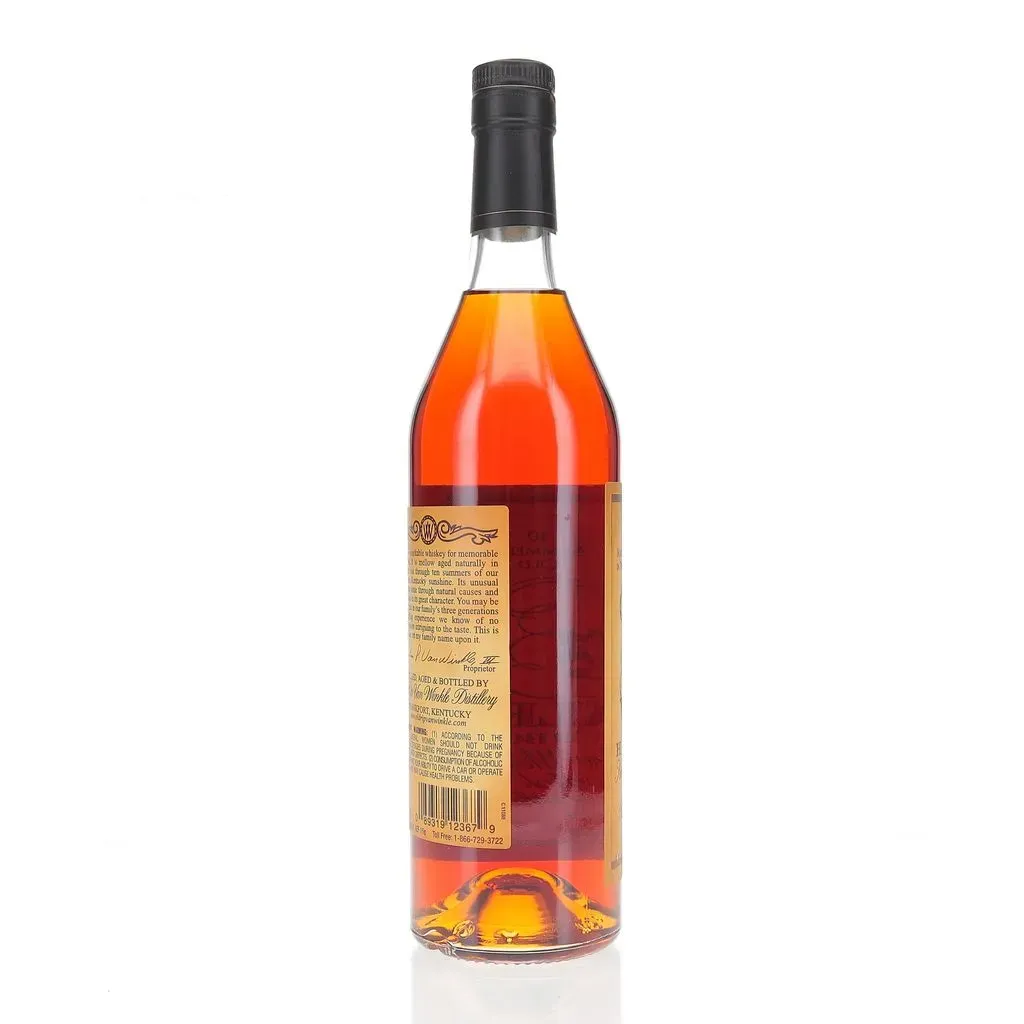
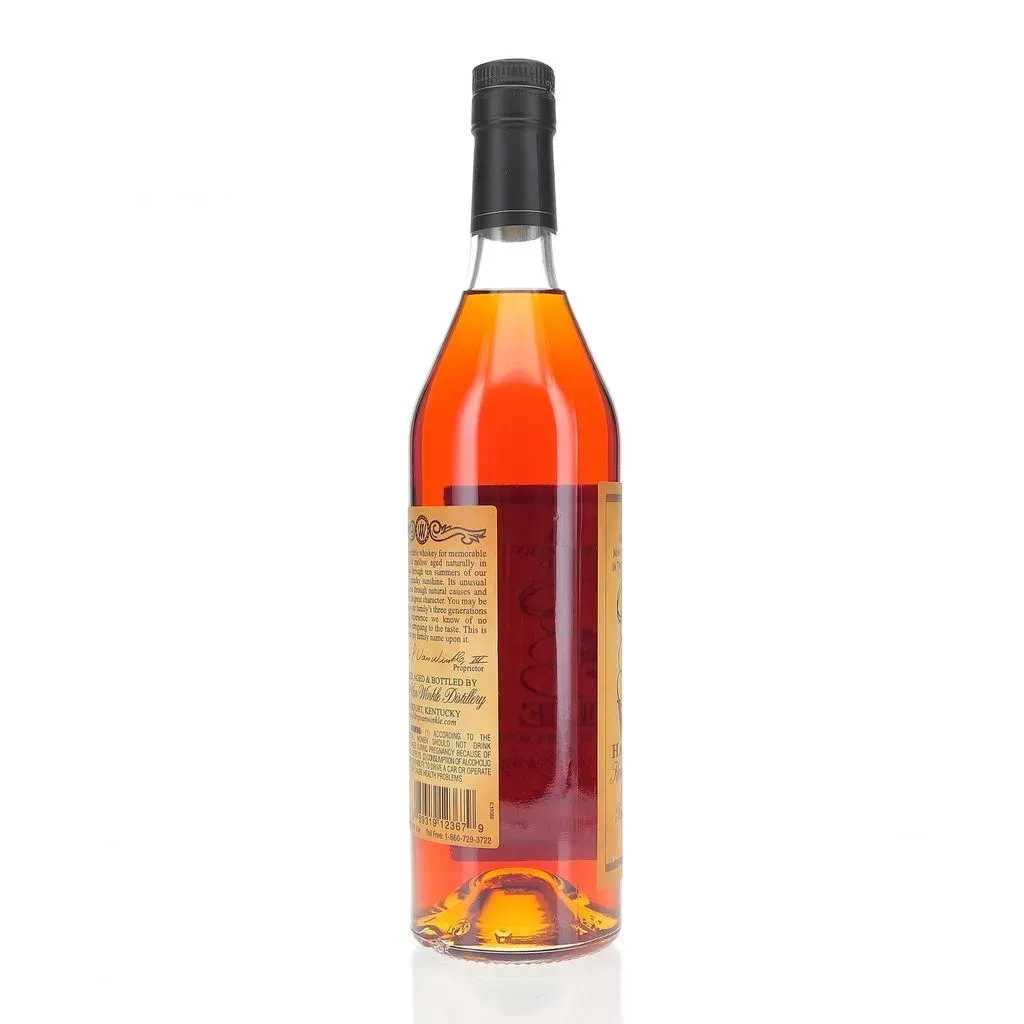
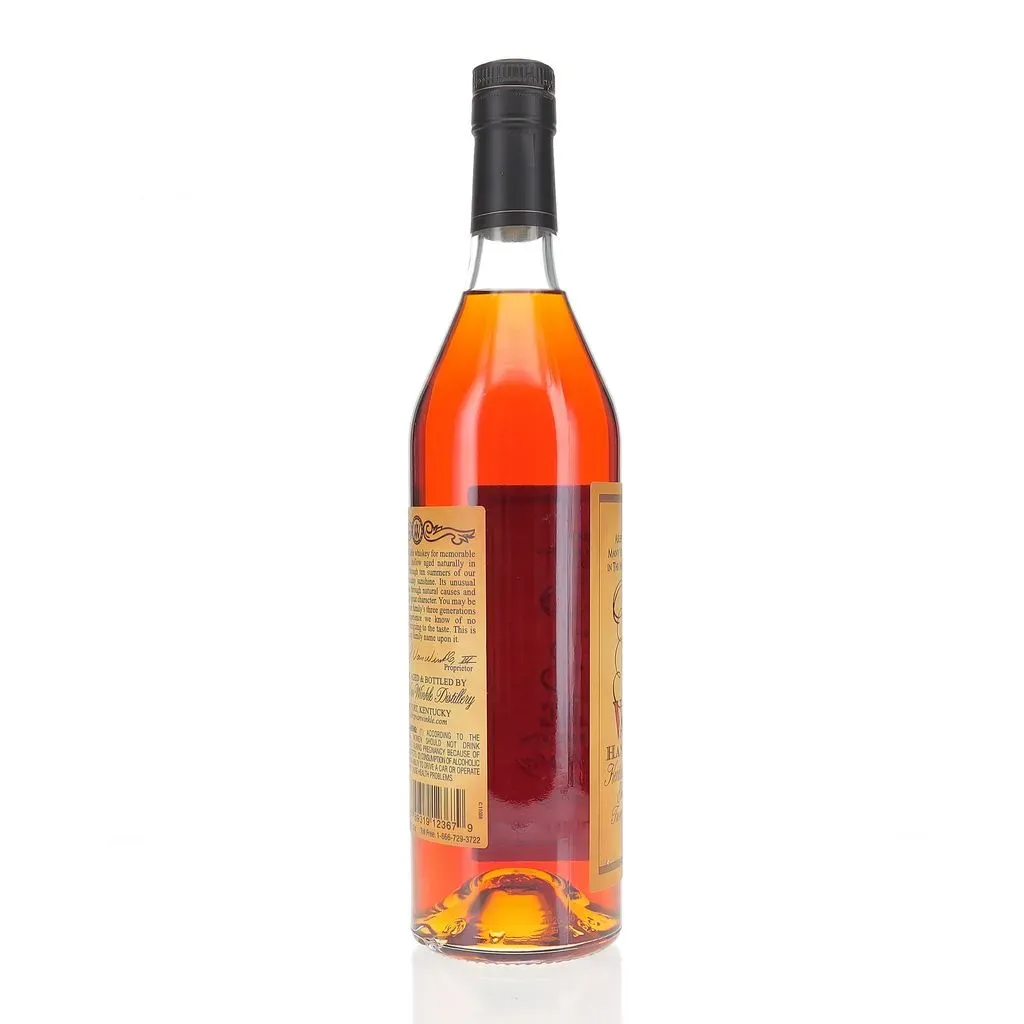
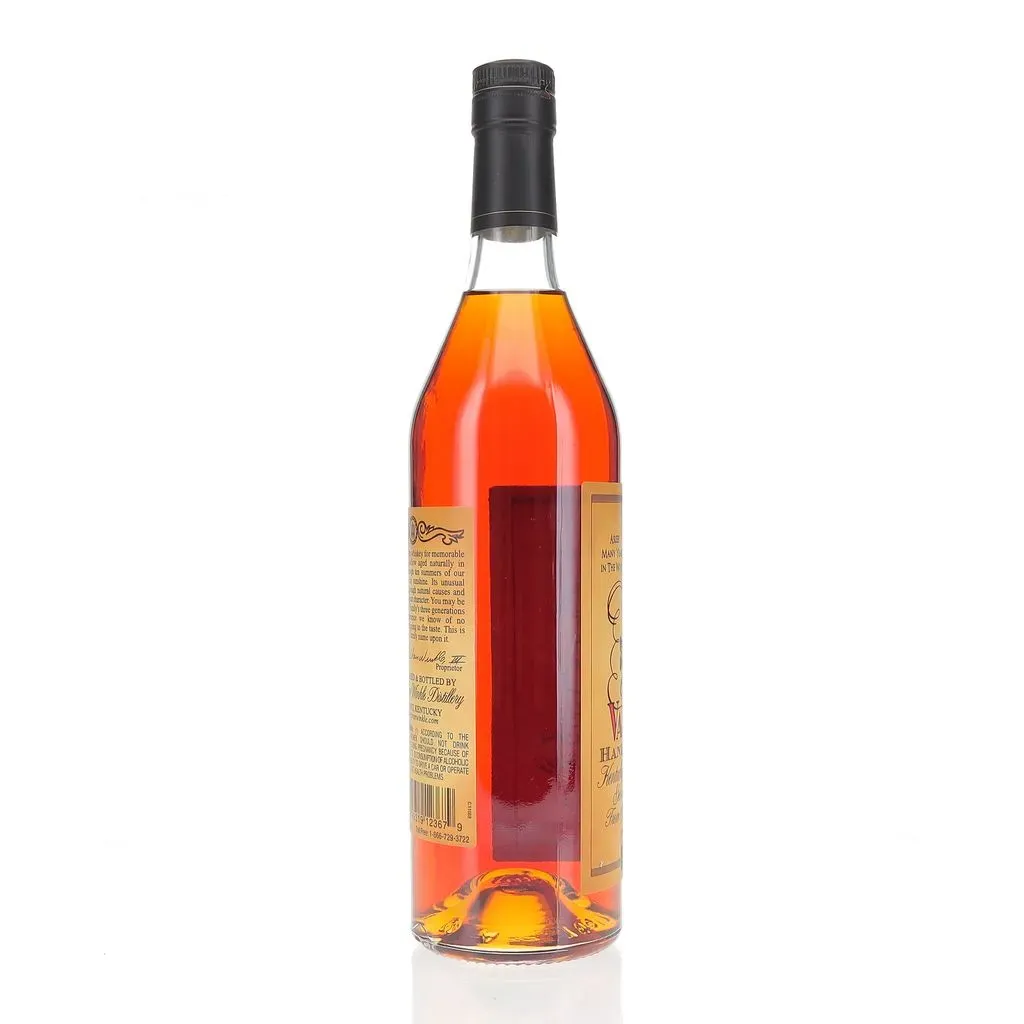
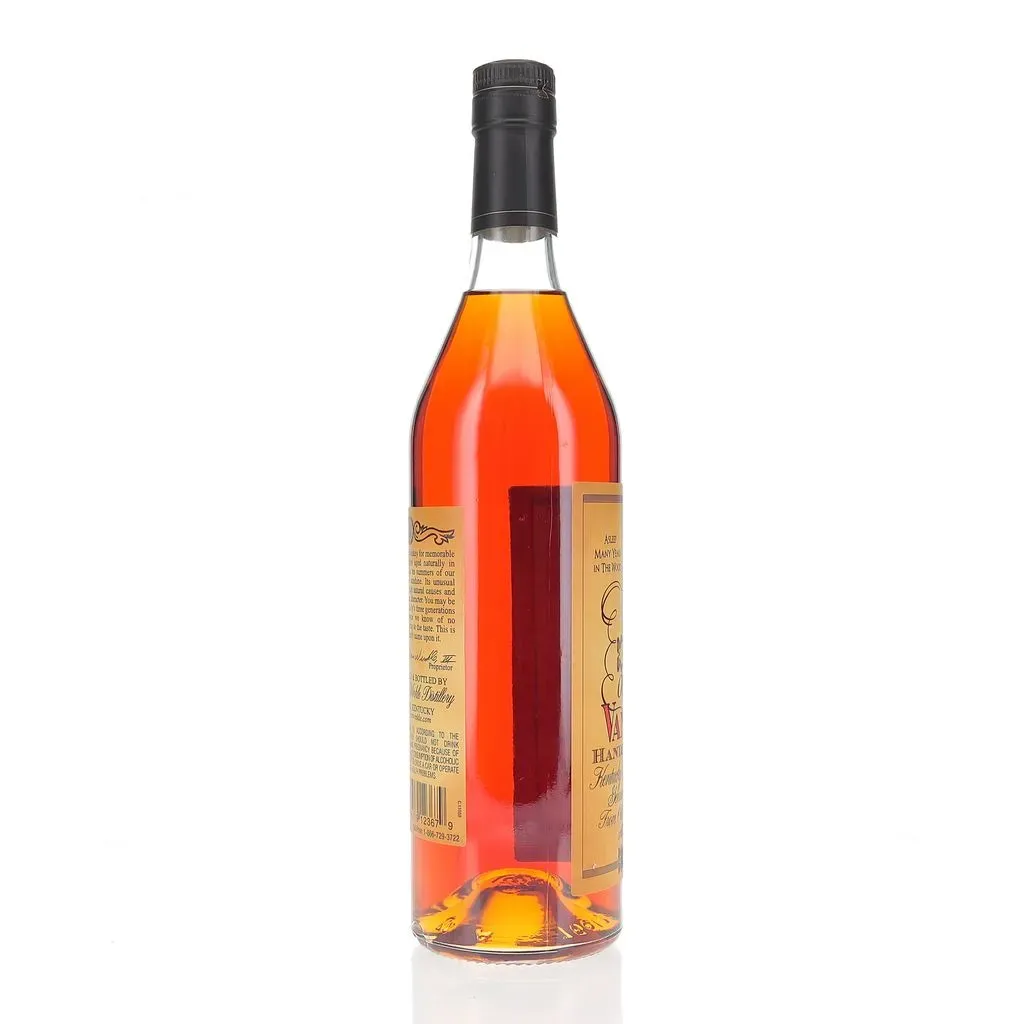
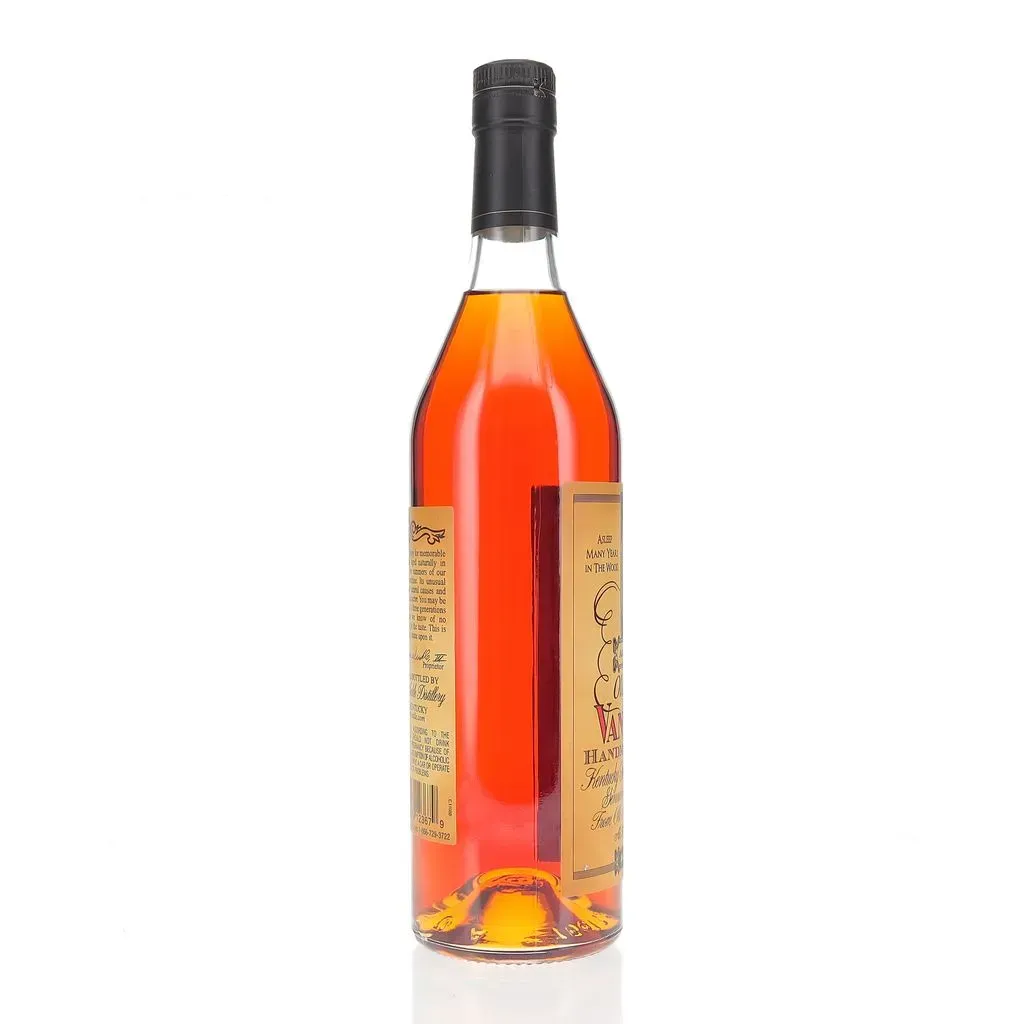
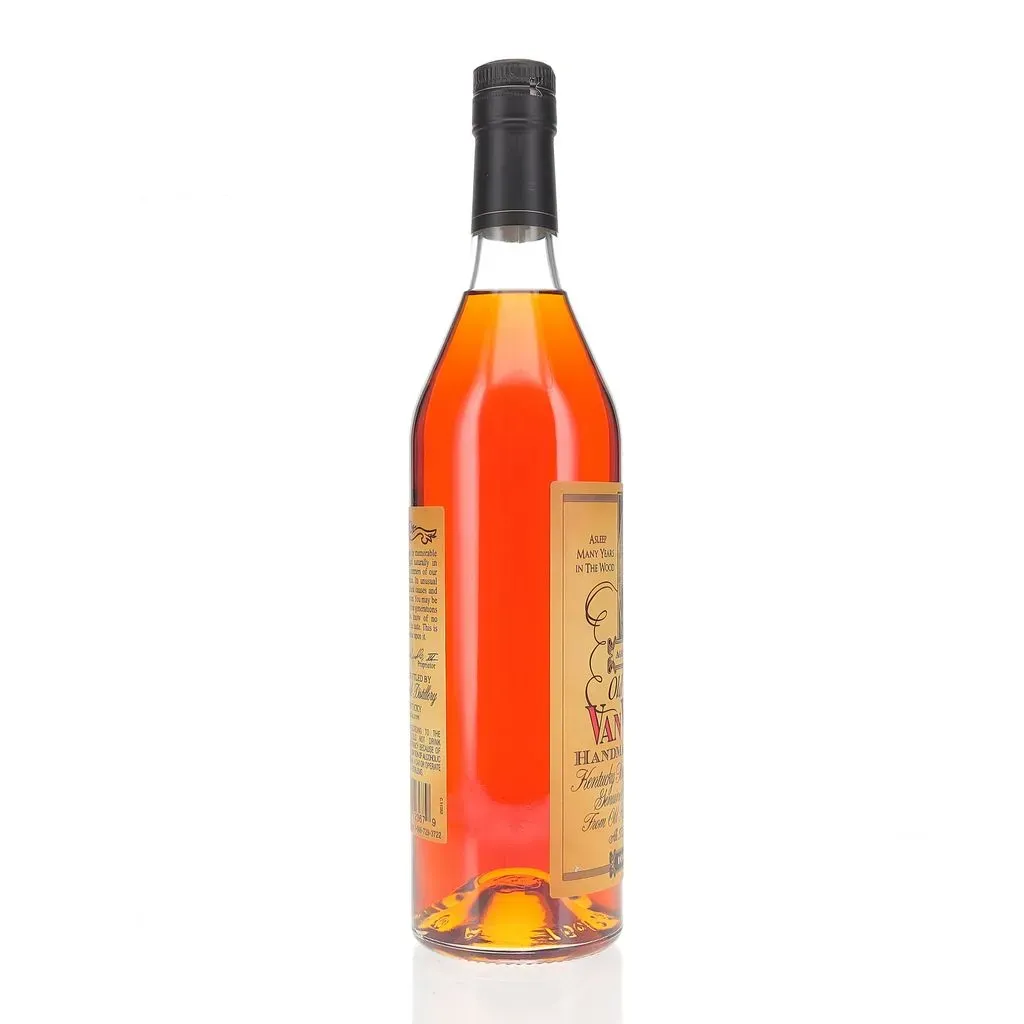
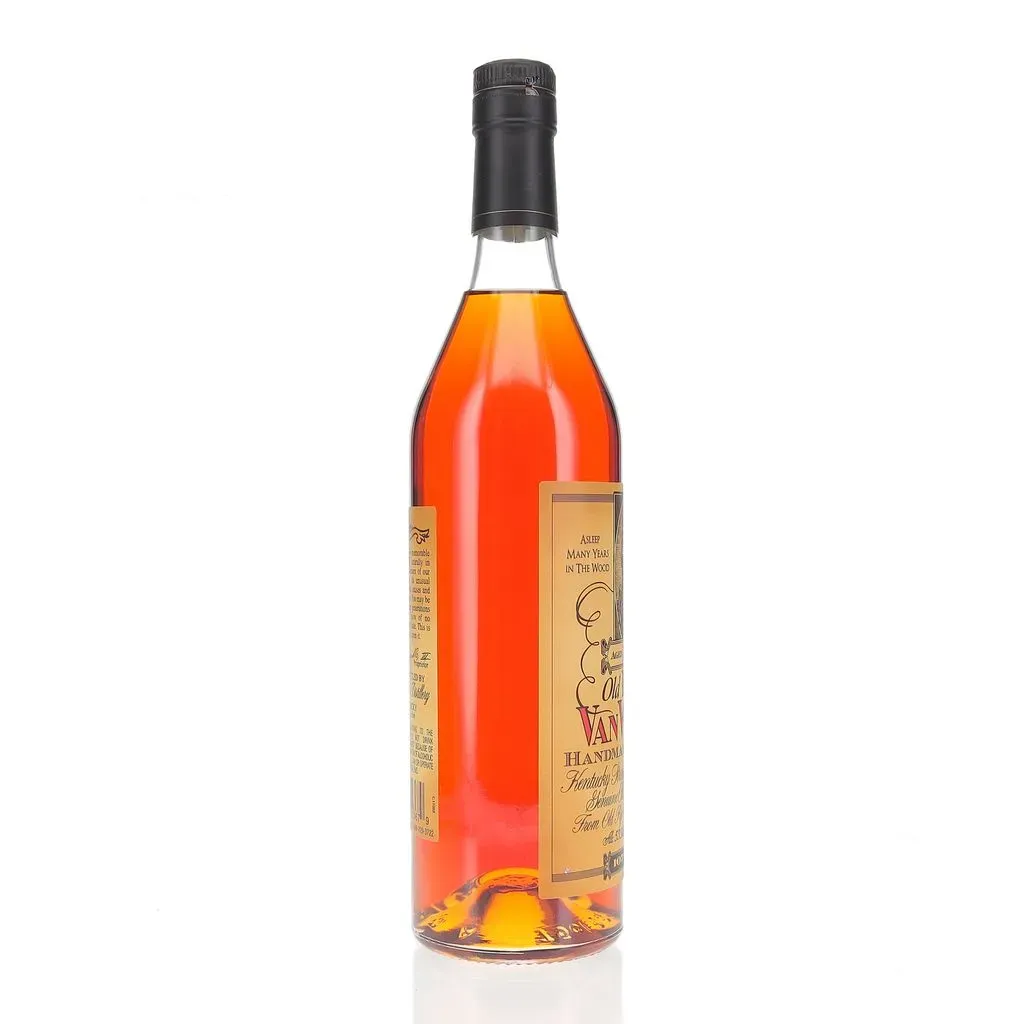
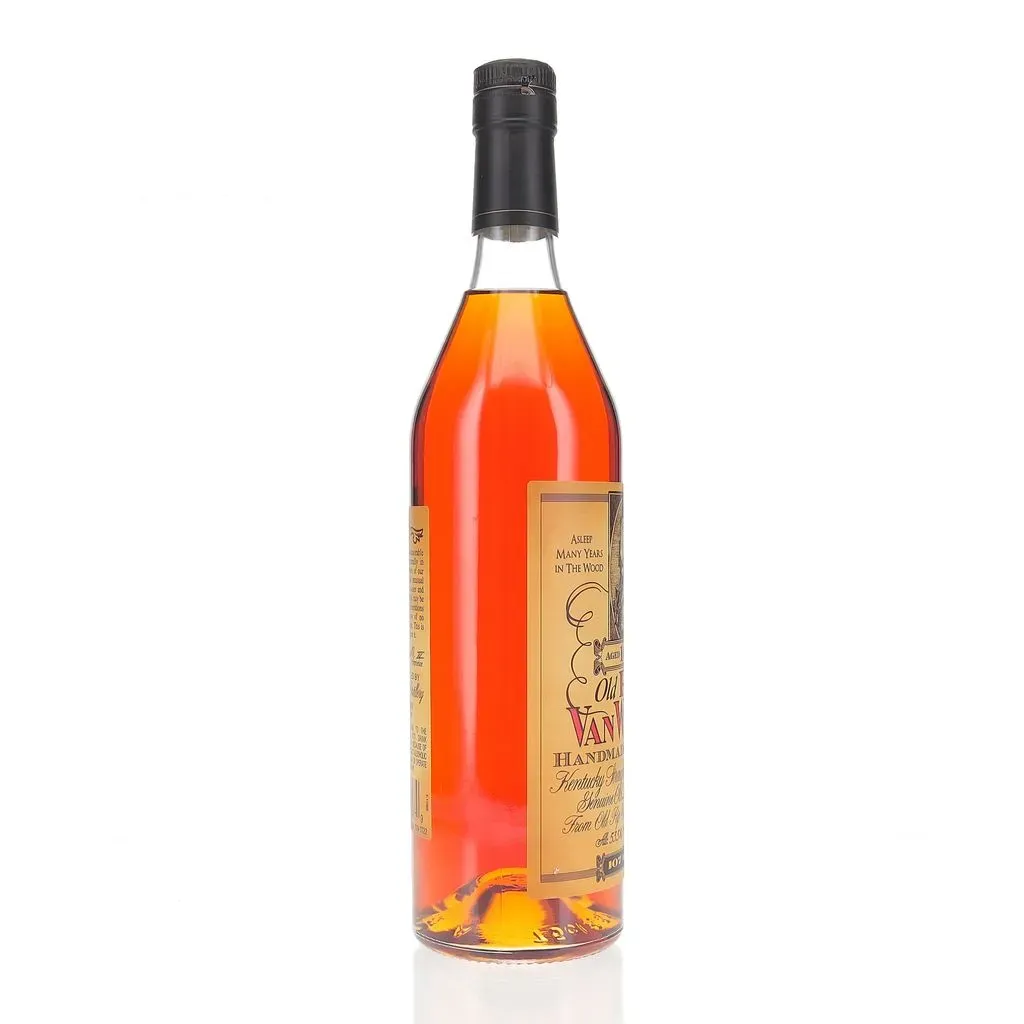
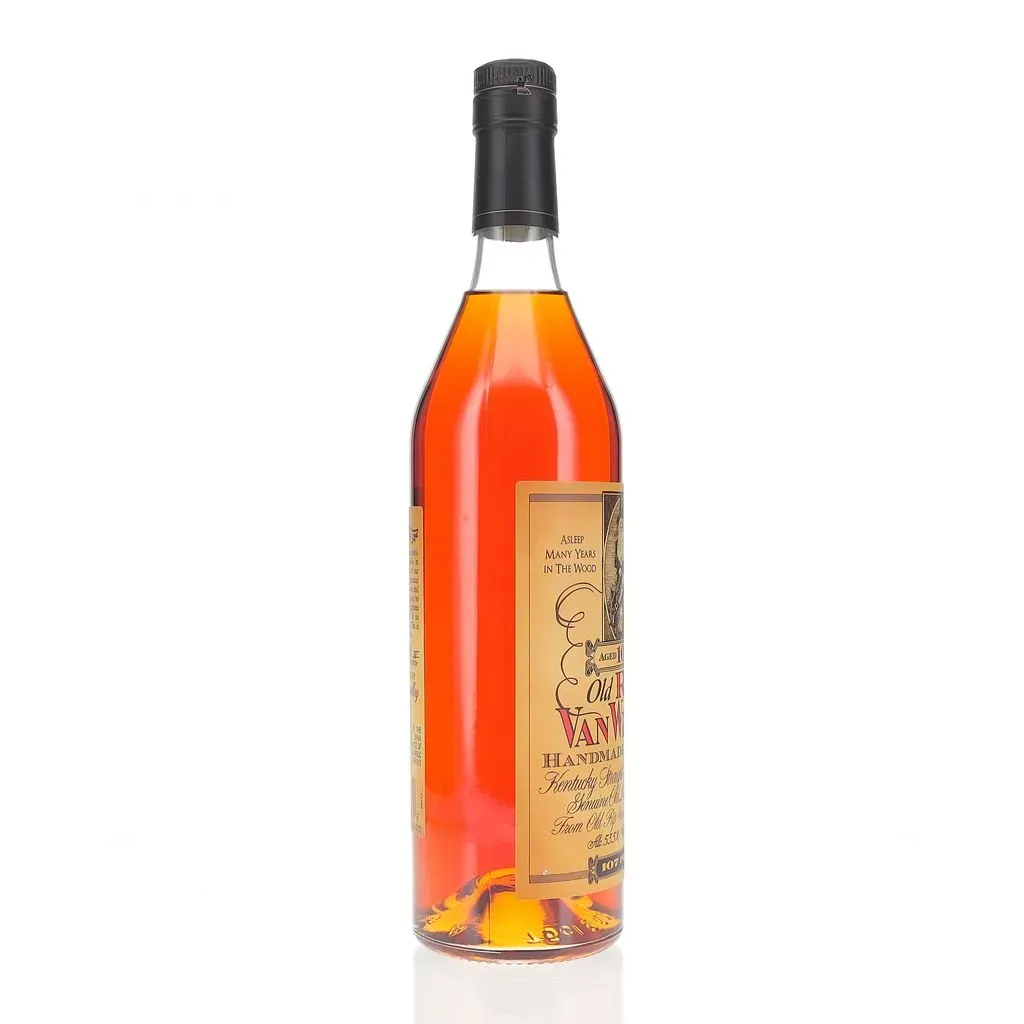
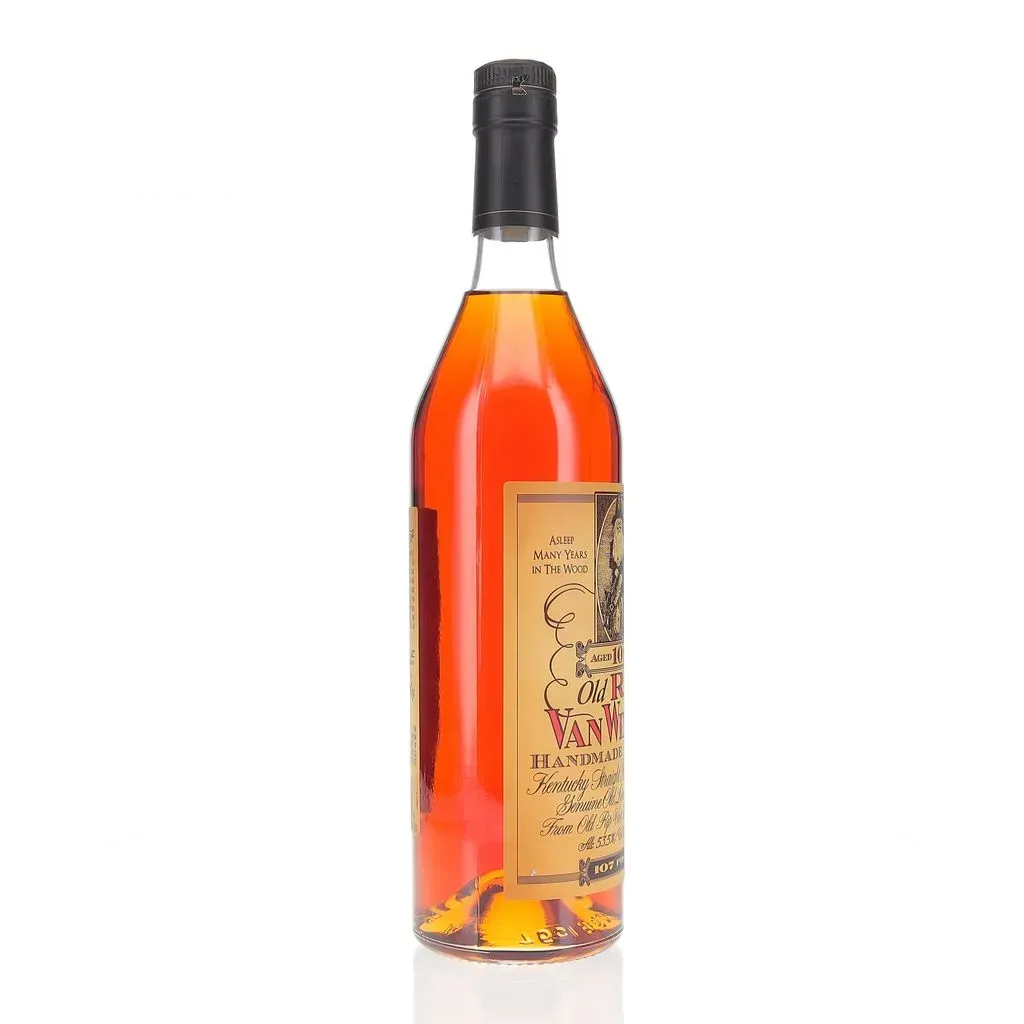
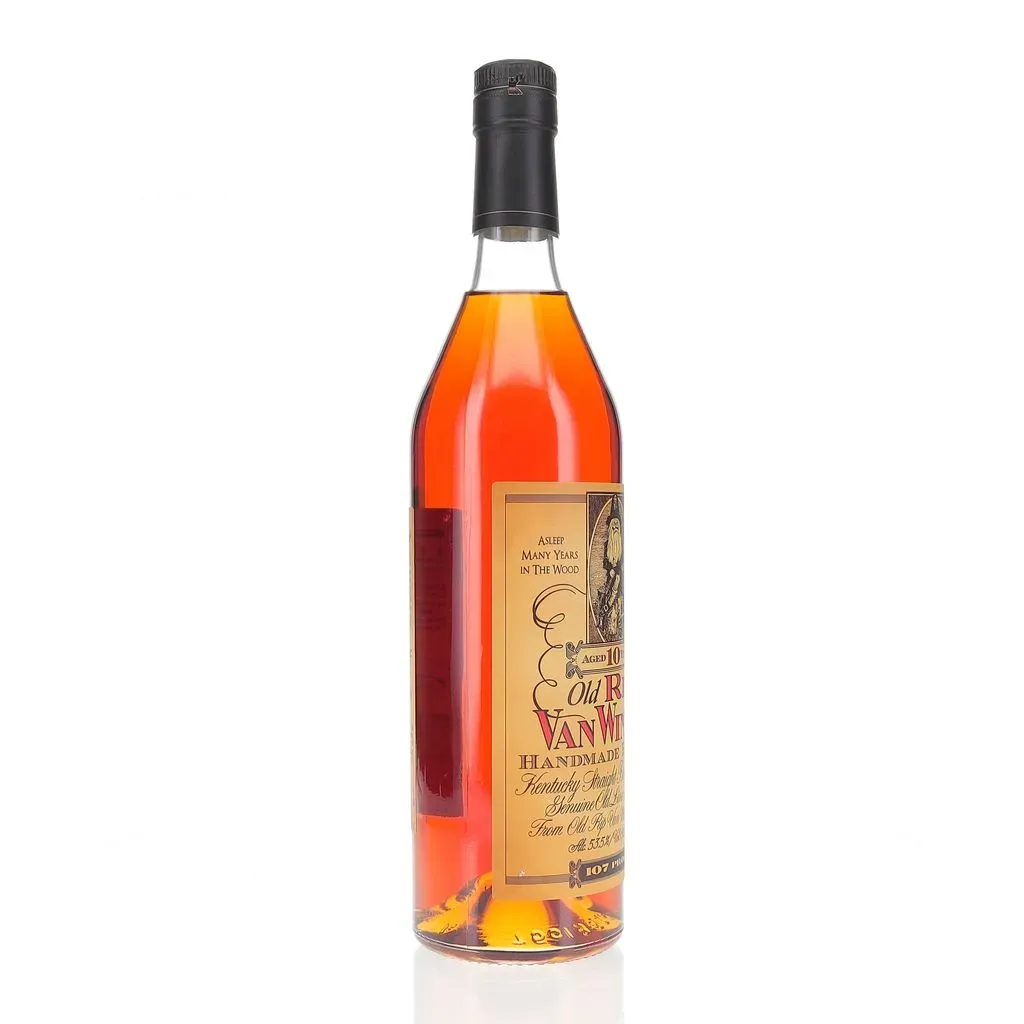
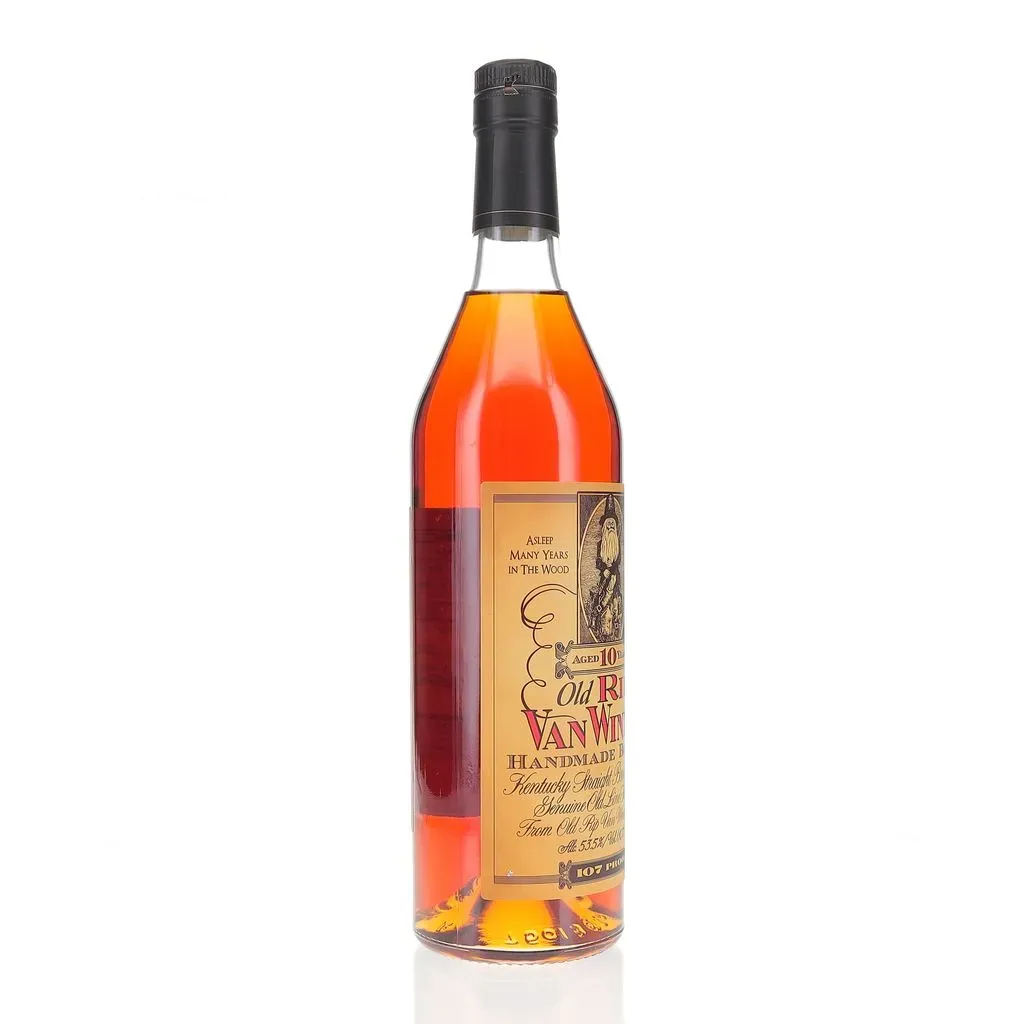
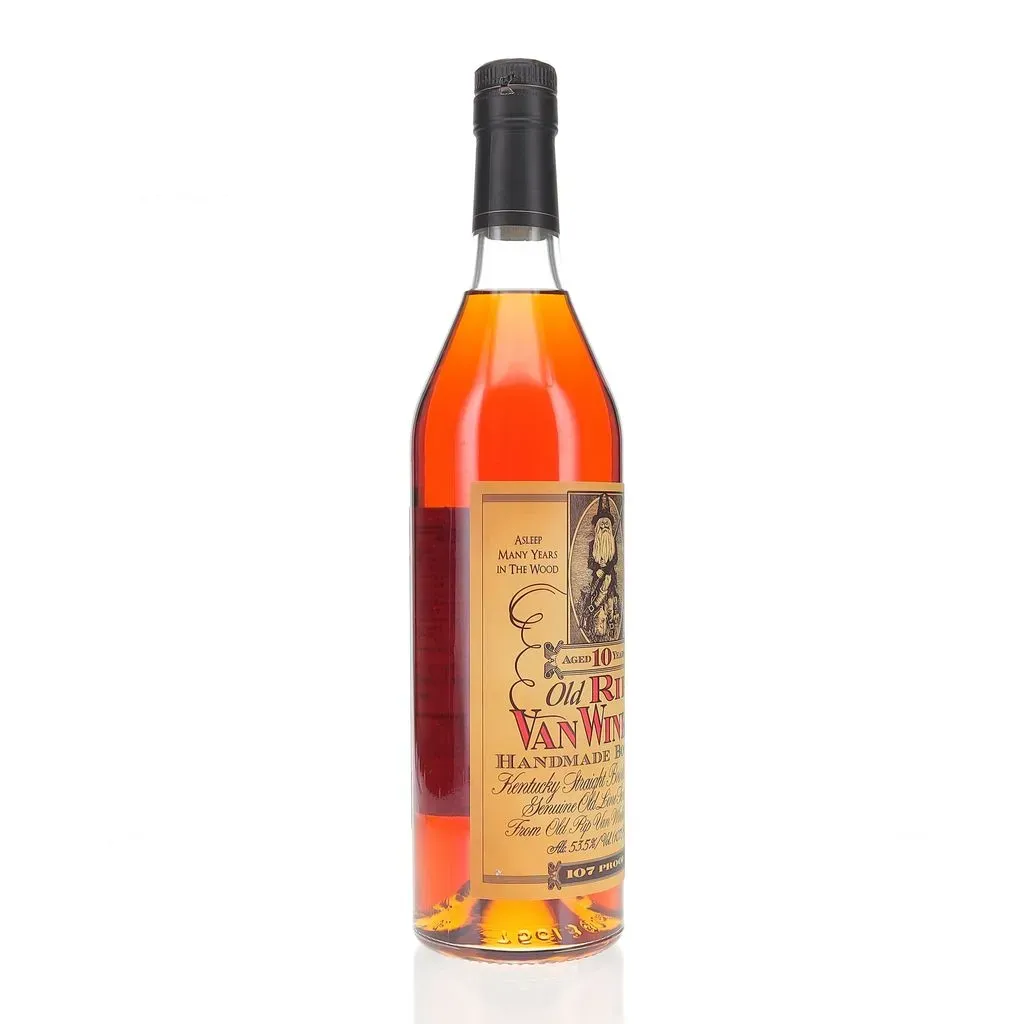
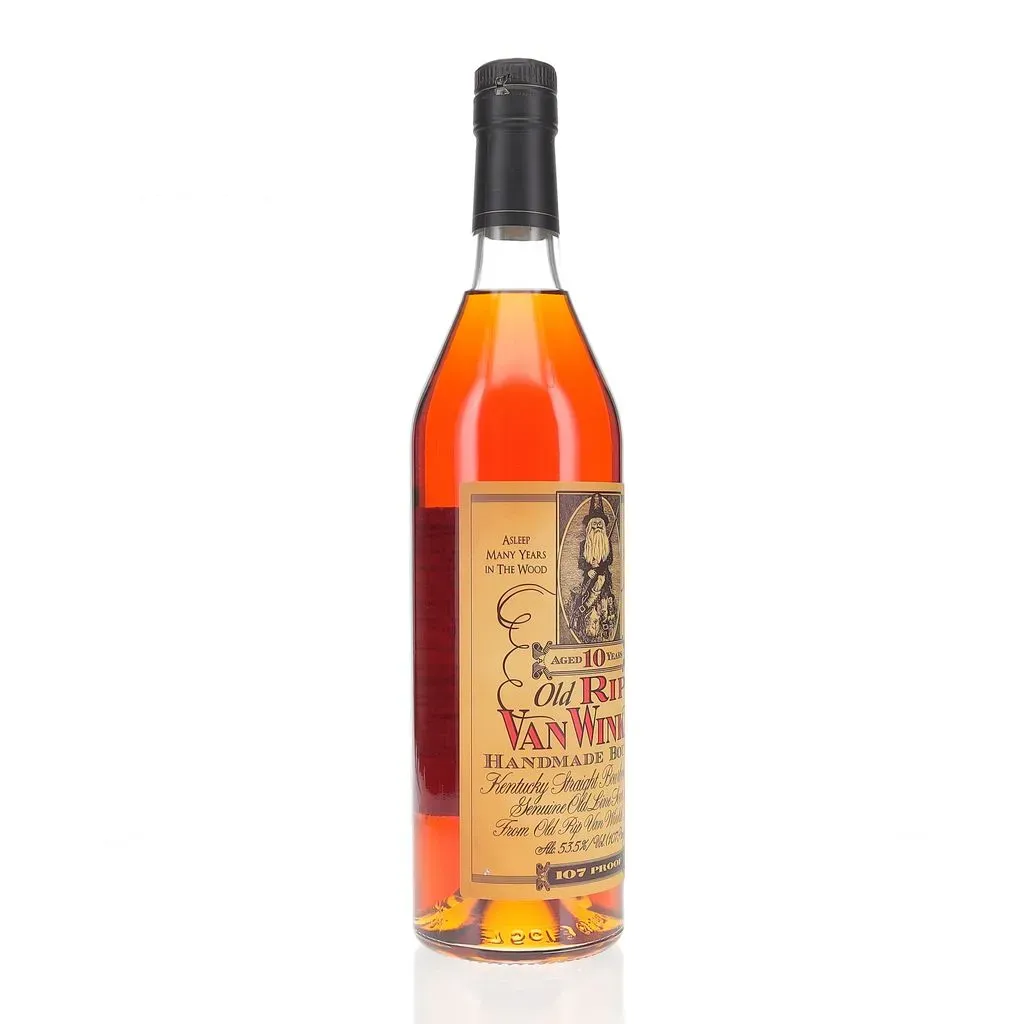
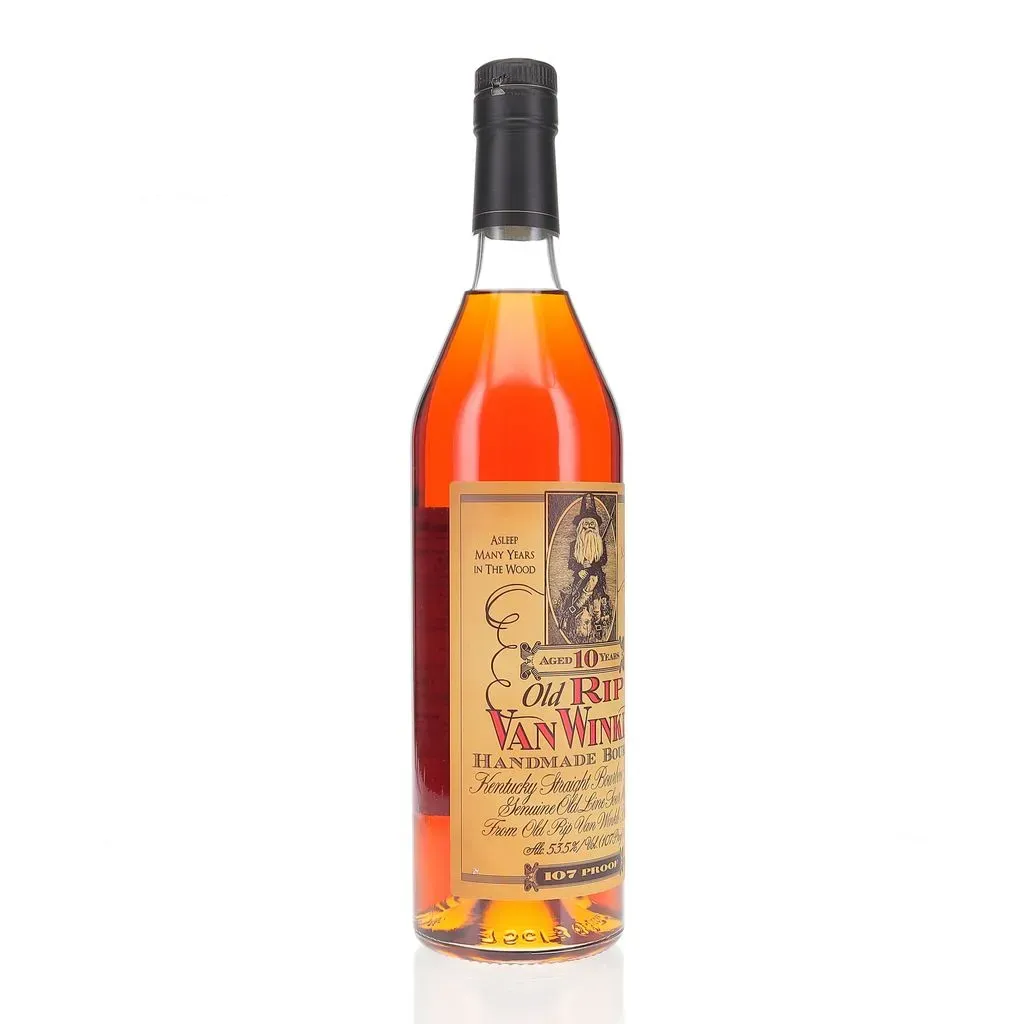
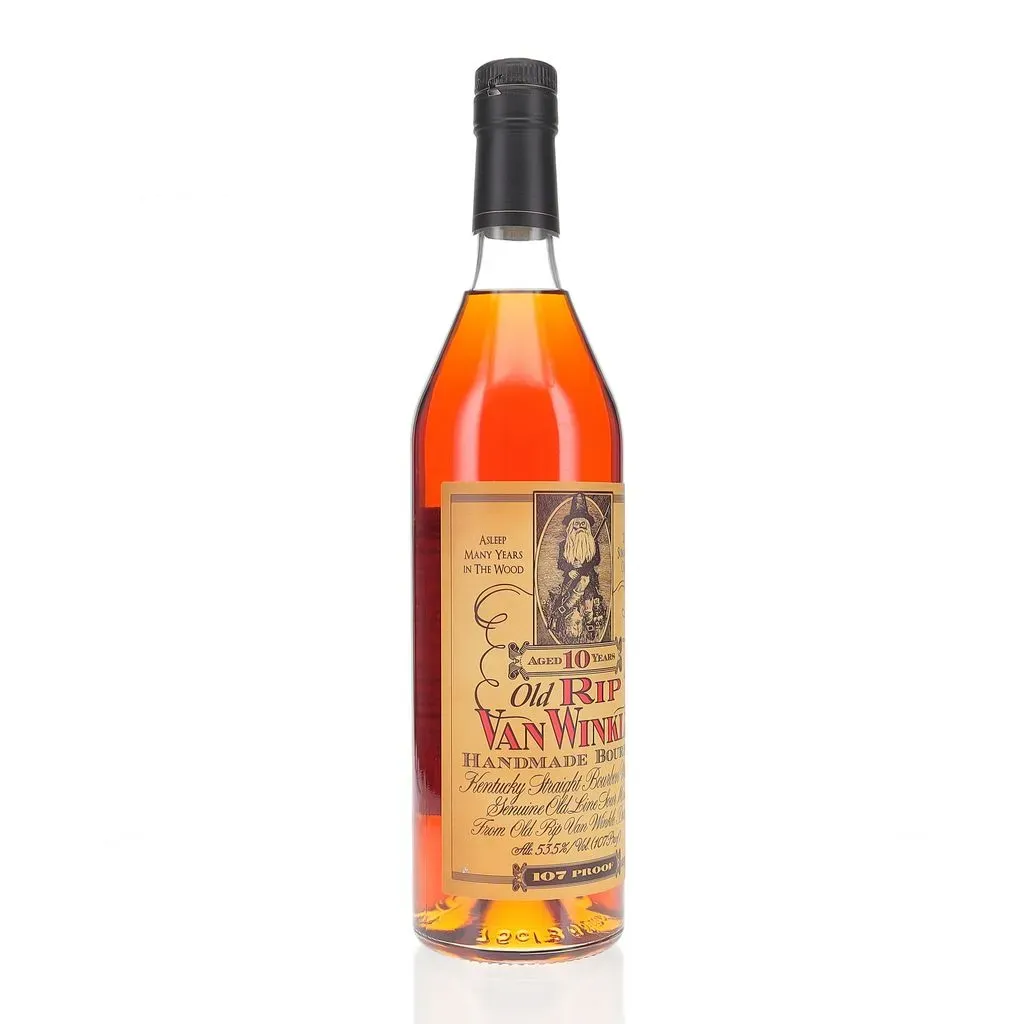
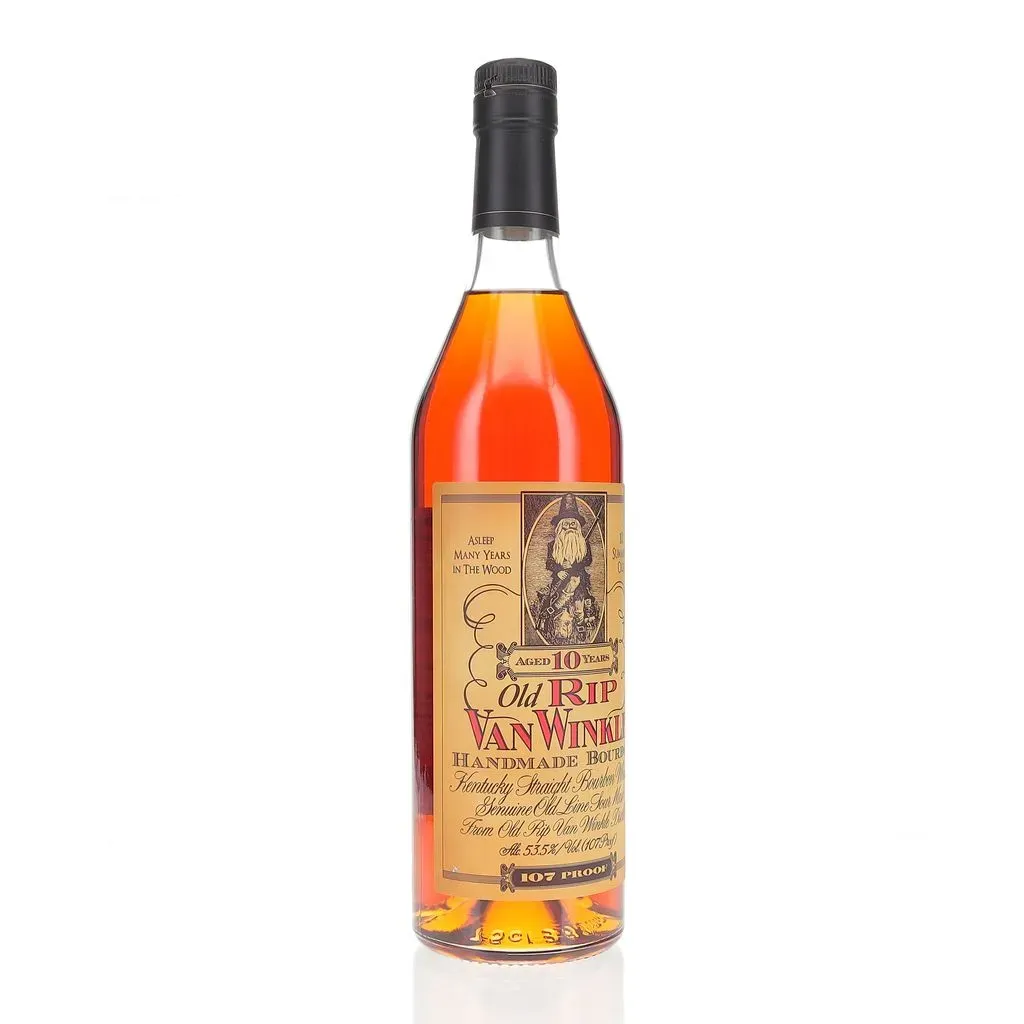
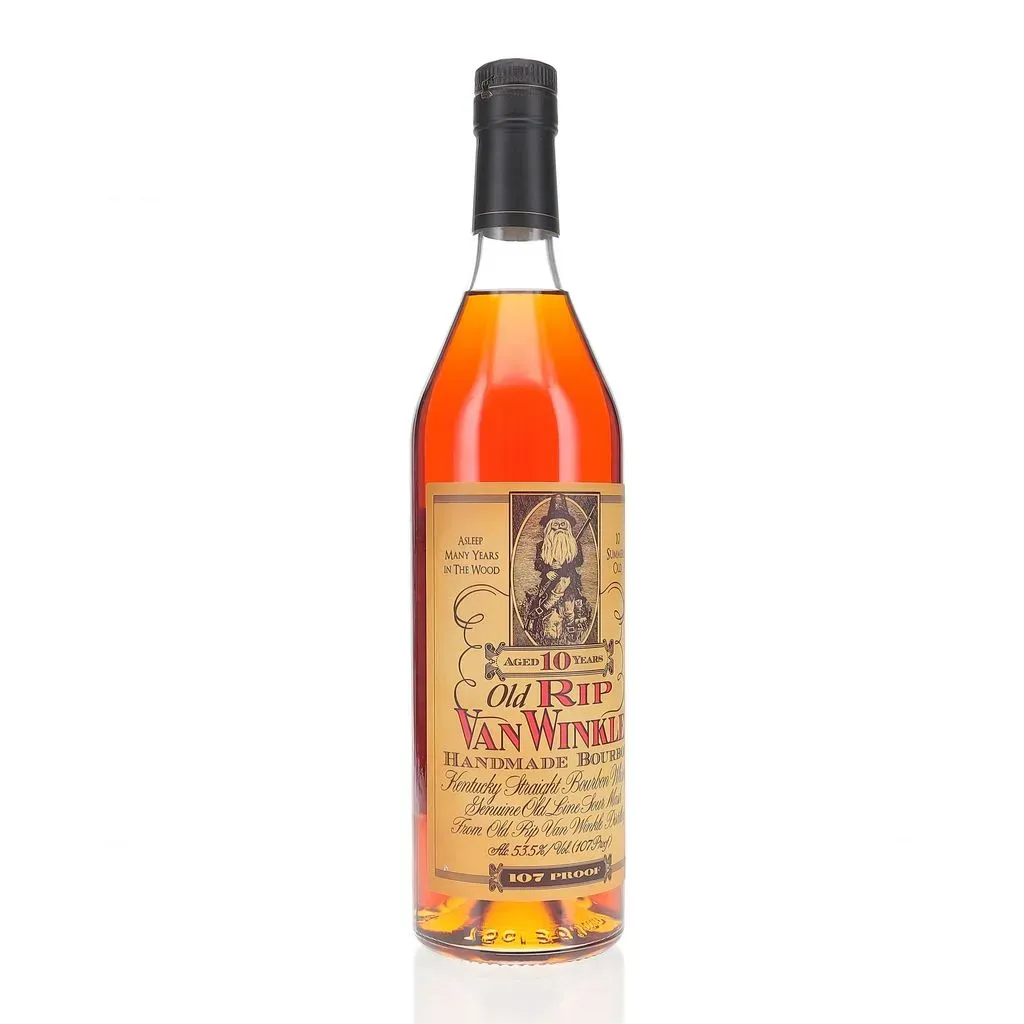
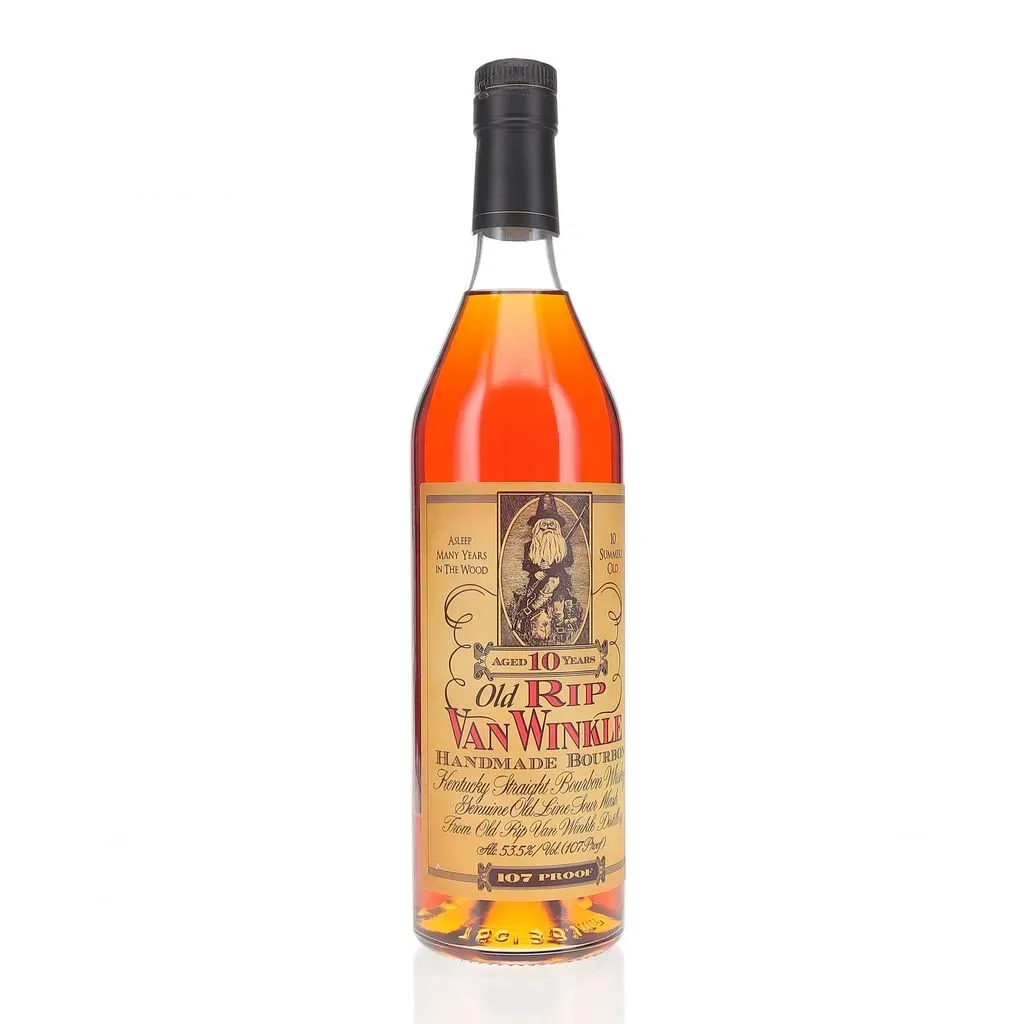
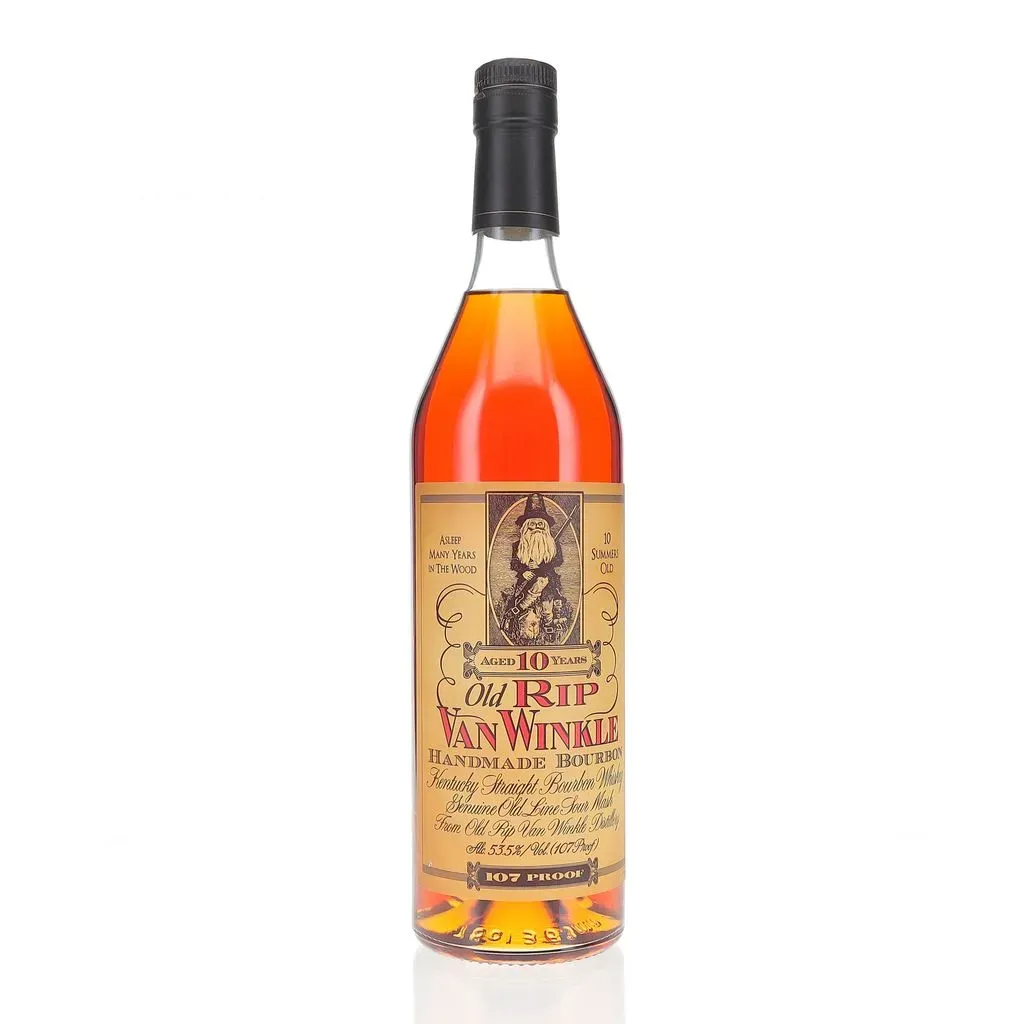
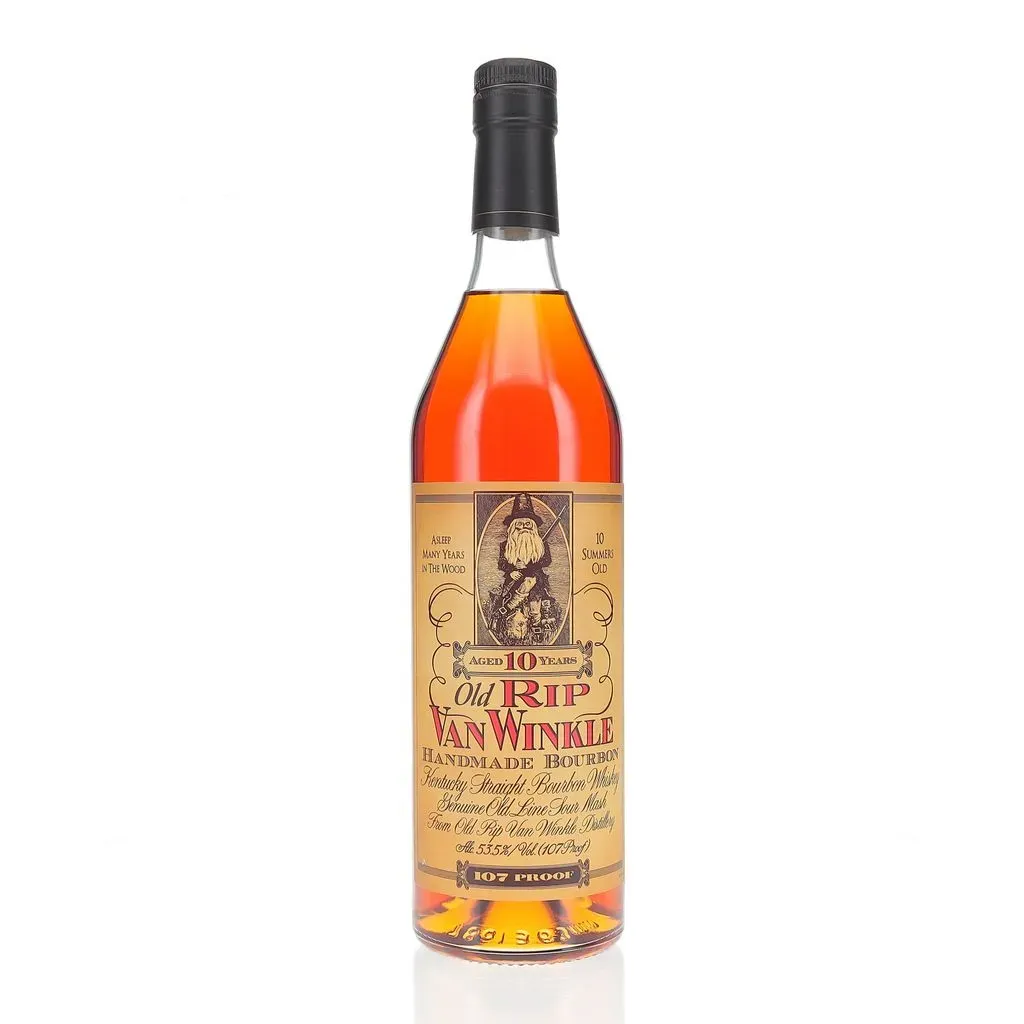
Old Rip Van Winkle 10 Year
REDEEMED
Highest Offer: $0.00
This 107 proof expression is hand selected by Julian Van Winkle, the grandson of the famous Pappy Van Winkle. This bourbon is produced at the Buffalo Trace distillery from a wheated mashbill and is amongst the most sought after whiskies in the world.
Buffalo Trace
Arguably the most prized distillery in the bourbon world, Buffalo Trace sits proudly in Frankfort, Kentucky. Distilling has taken place on this historic site since 1787, with warehouses and whiskey barrels stored there from the early 1800s onward. The property officially became a distillery in 1857 under Jacob Swigert. In 1869, Colonel Edmund H. Taylor Jr. acquired the site and renamed it the Old Fire Copper Distillery (O.F.C.).
By 1873, Taylor had demolished the old buildings and begun an ambitious rebuild, introducing modern innovations such as column stills, copper fermentation vats, and heated warehouses—technologies inspired by his visits to distilleries in Scotland, Ireland, and Germany. However, the renovation proved financially ruinous, and in December 1877, the St. Louis liquor firm Gregory & Stagg rescued him from bankruptcy.
The firm’s co-owner, George T. Stagg, took control of most of Taylor’s operations. Although Taylor remained at O.F.C., his stake was now minimal. In 1882, tragedy struck when lightning burned the distillery to the ground. Taylor assisted in the rebuild, but in 1885 Stagg bought out Taylor’s remaining shares in exchange for the Old Taylor Distillery. The O.F.C. distillery later changed hands in 1890, when the Duffy firm took over. Stagg retired from the board in 1892 and passed away in 1895.
A young Albert B. Blanton joined the company in 1897 at just sixteen years old. In 1904, the distillery was renamed the George T. Stagg Distillery in honor of its former owner. Blanton rose steadily through the ranks, becoming plant manager by 1917 and president by the time Prohibition loomed in 1920. Under his leadership, the distillery was one of the few granted a federal license to produce medicinal whiskey, which kept it afloat during the dry years.
In 1929, the U.S. government authorized six Kentucky distilleries to produce whiskey to replenish depleted stocks—George T. Stagg among them. That same year, The Schenley Products Company acquired the operation. Schenley would remain in control until 1982, when the distillery was sold to New York businessmen Freddie Falk and Robert Baranaska under their Age International firm. A decade later, in 1992, Japan’s Takara Shuzo acquired Age International and the George T. Stagg distillery—only to sell the distillery soon after to the Sazerac Company, while retaining the rights to the Ancient Age brand and its high-rye mash bills.
In June 1999, Sazerac officially renamed the site Buffalo Trace Distillery.
The following decades brought steady innovation and growing acclaim. Buffalo Trace experimented extensively with wood types, barrel treatments, and aging conditions. In 2002, they partnered with Julian Van Winkle to supply whiskey for his Van Winkle and Pappy brands. The launch of the Buffalo Trace Antique Collection, followed by the E.H. Taylor line, cemented the distillery’s reputation for excellence.
In recent years, surging global demand has pushed even core expressions into allocated status. Whether through its legendary partnership with the Van Winkles or its consistently award-winning limited releases, Buffalo Trace has become synonymous with craftsmanship, heritage, and the prestige of Kentucky bourbon at its finest.