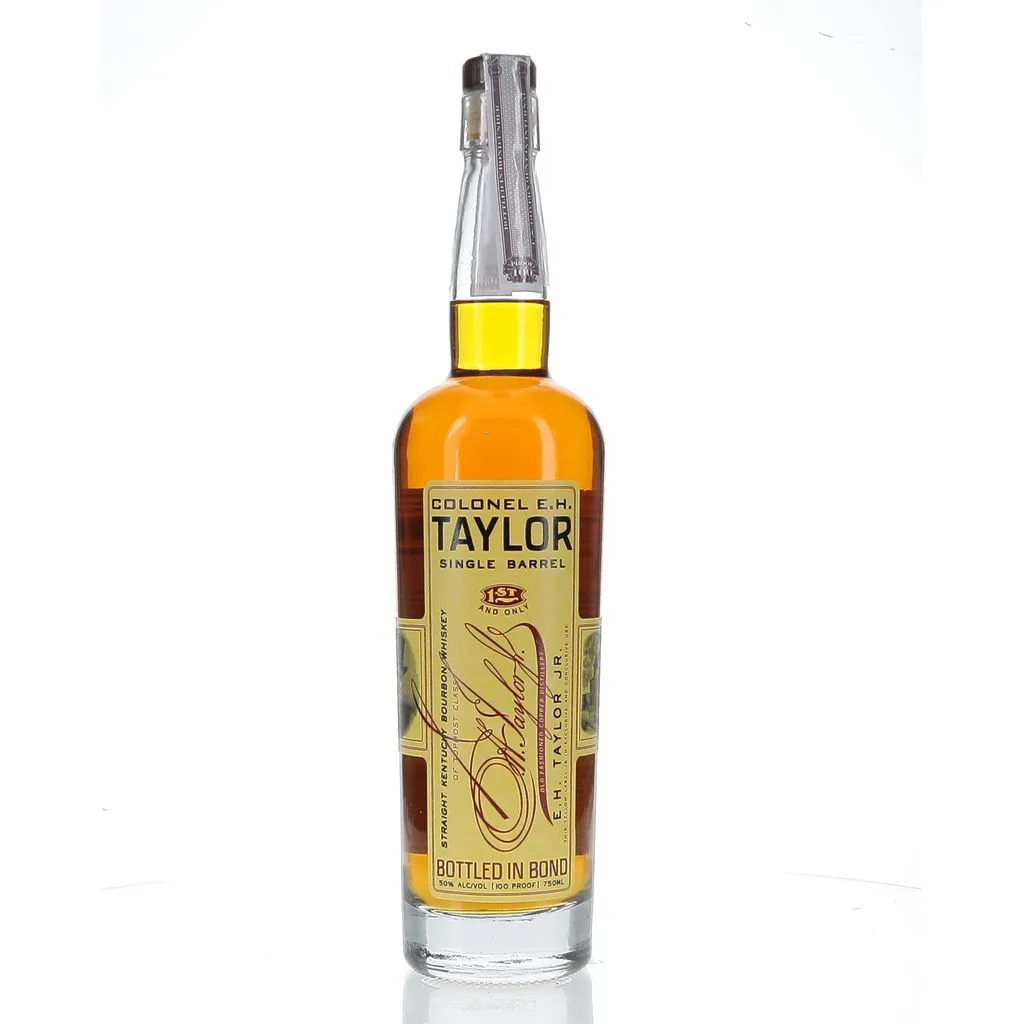
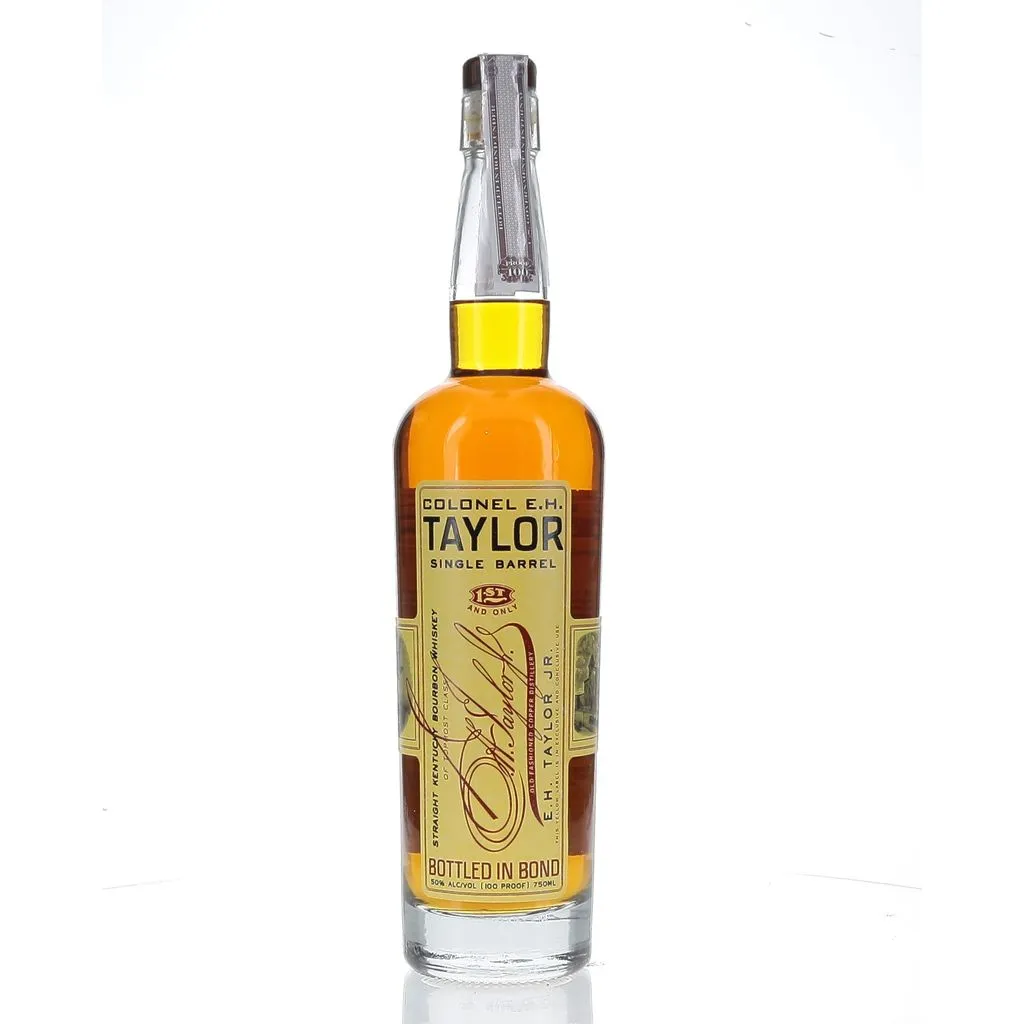
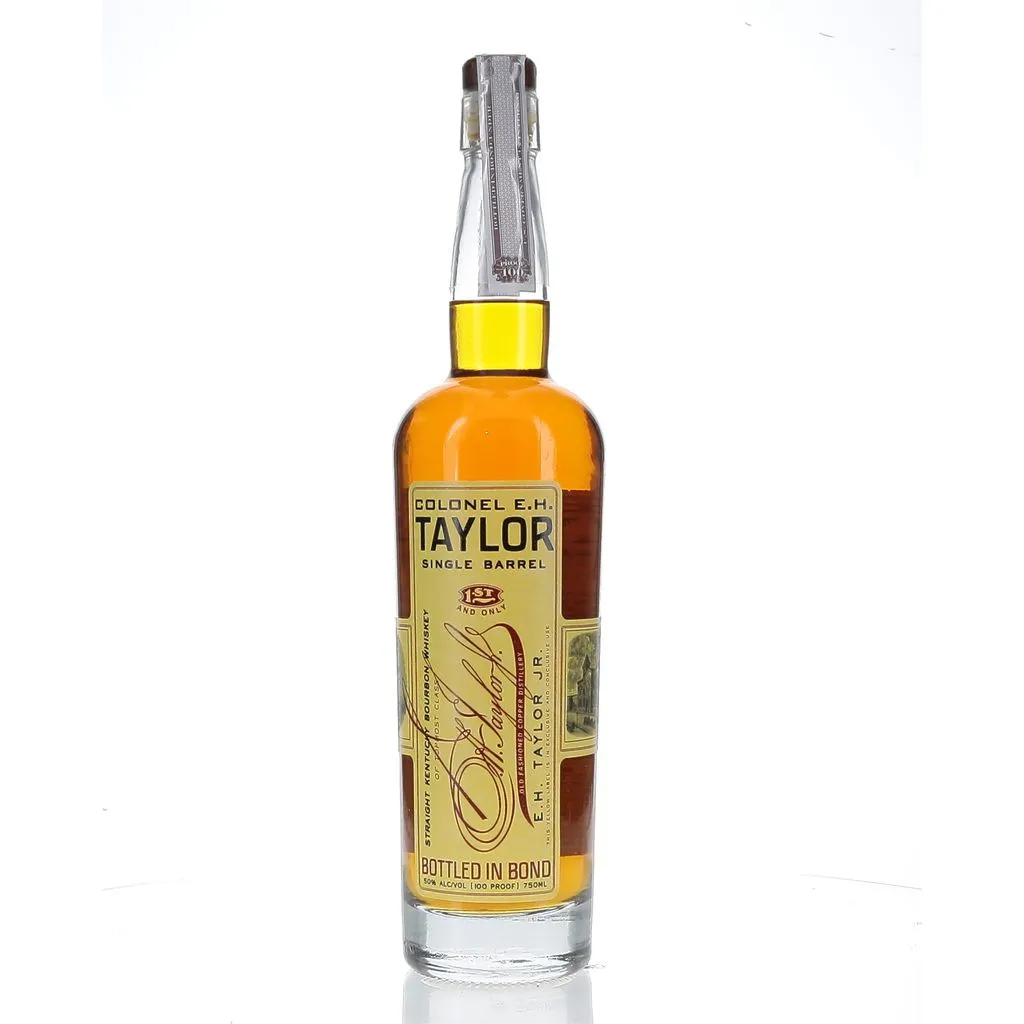
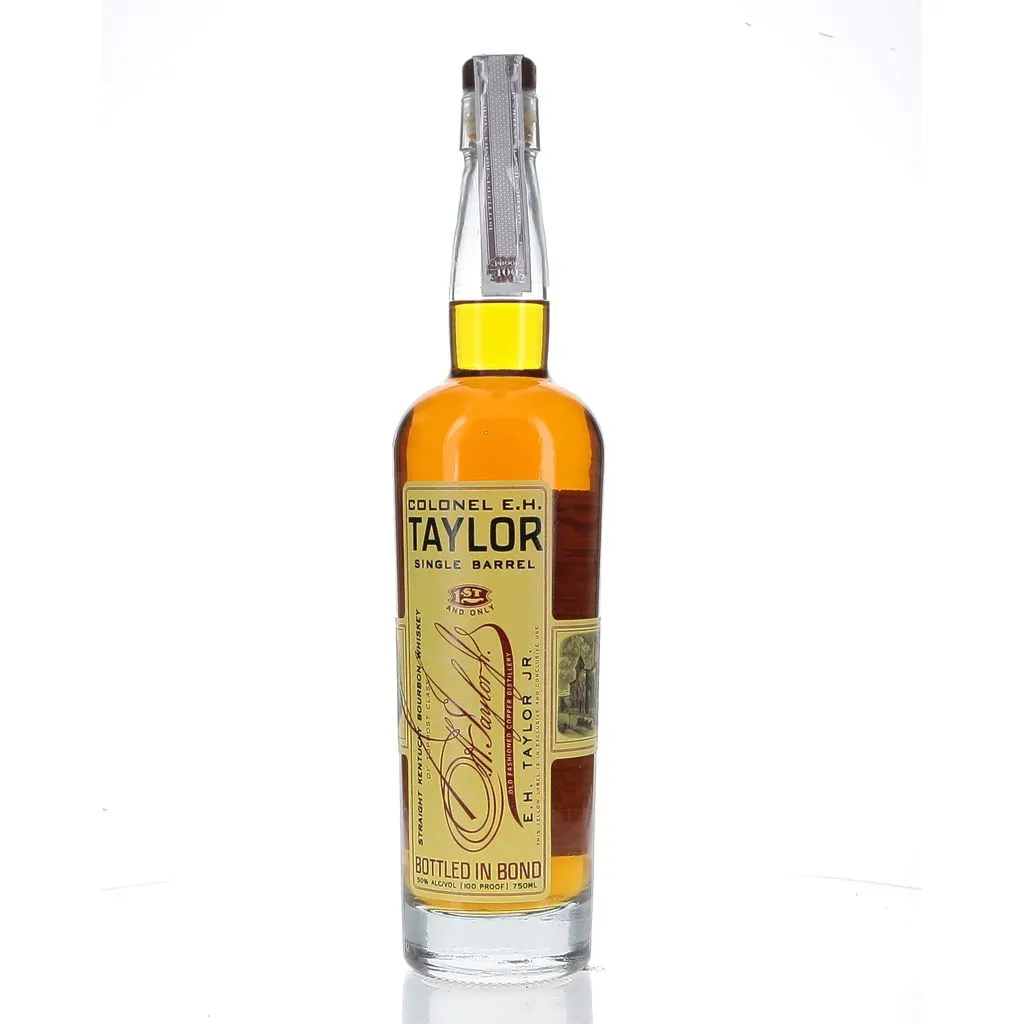
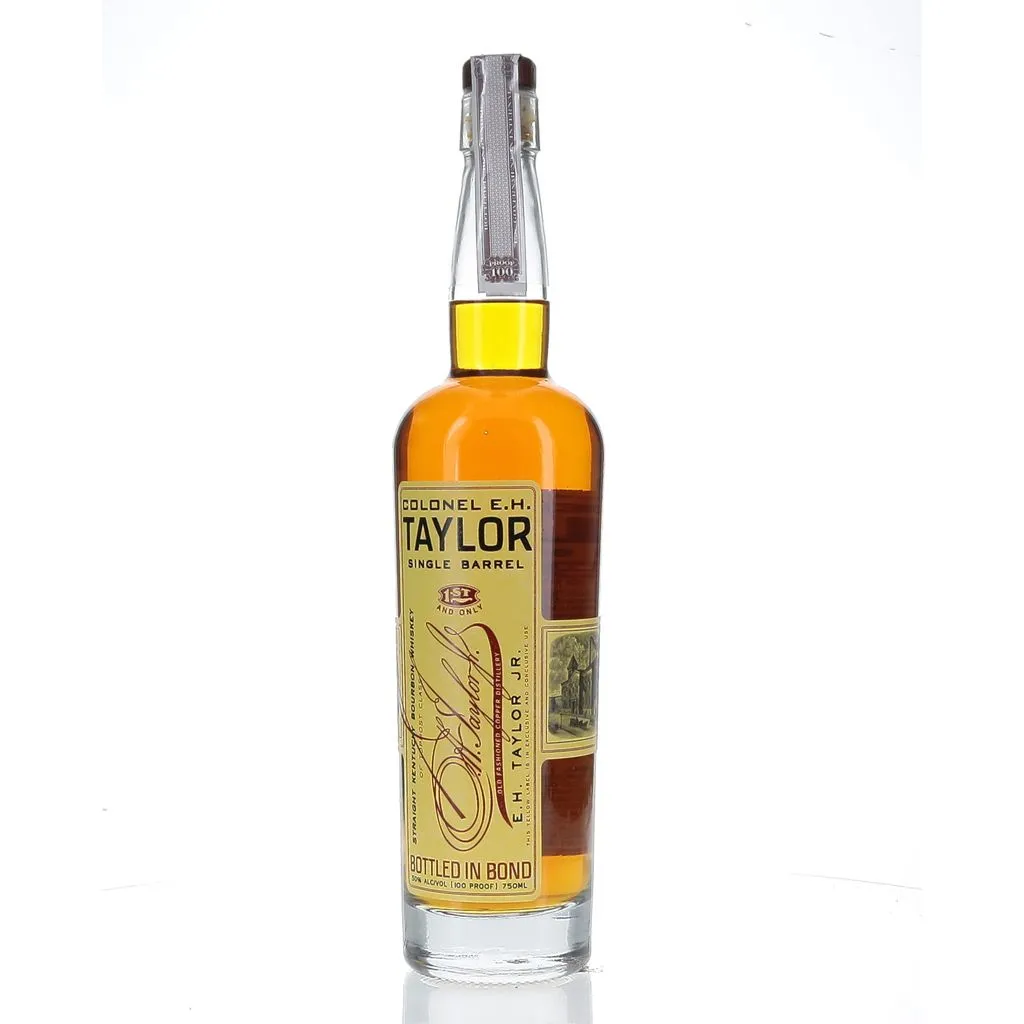
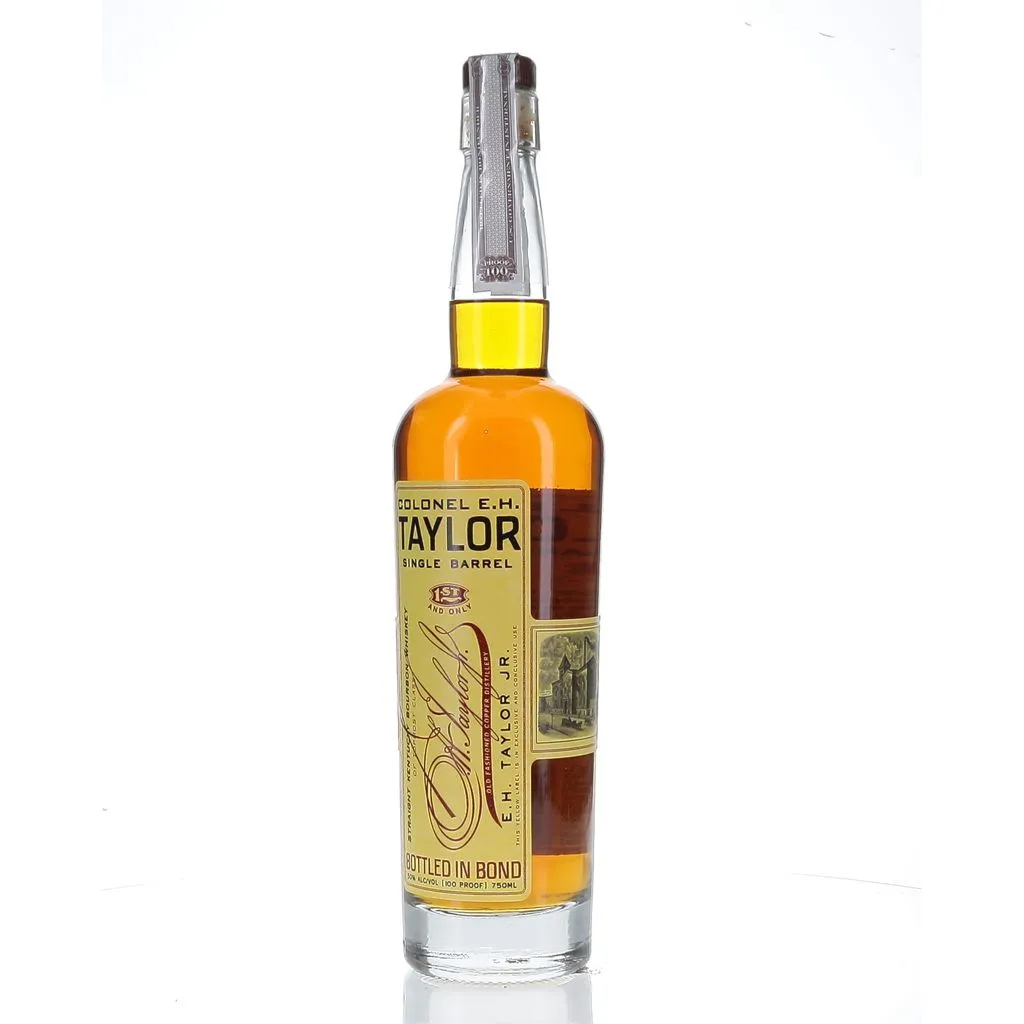
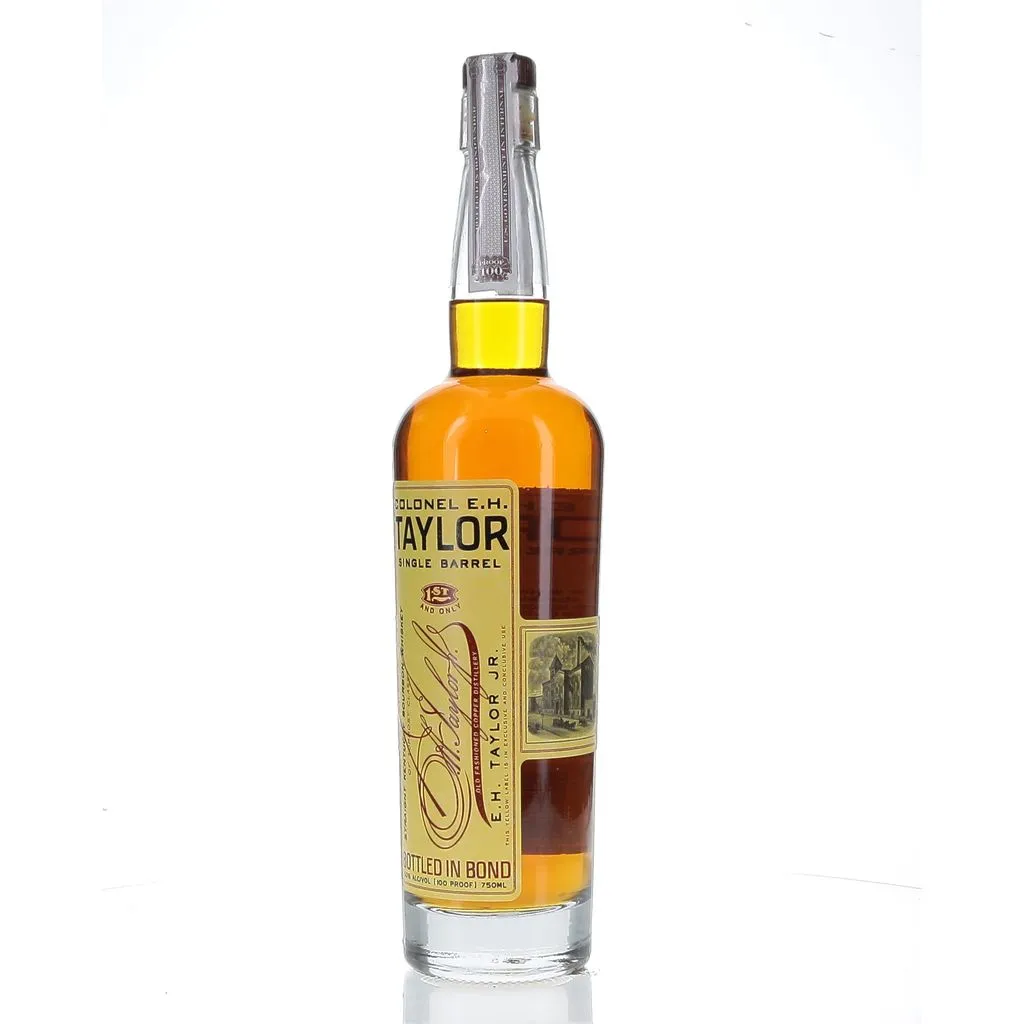
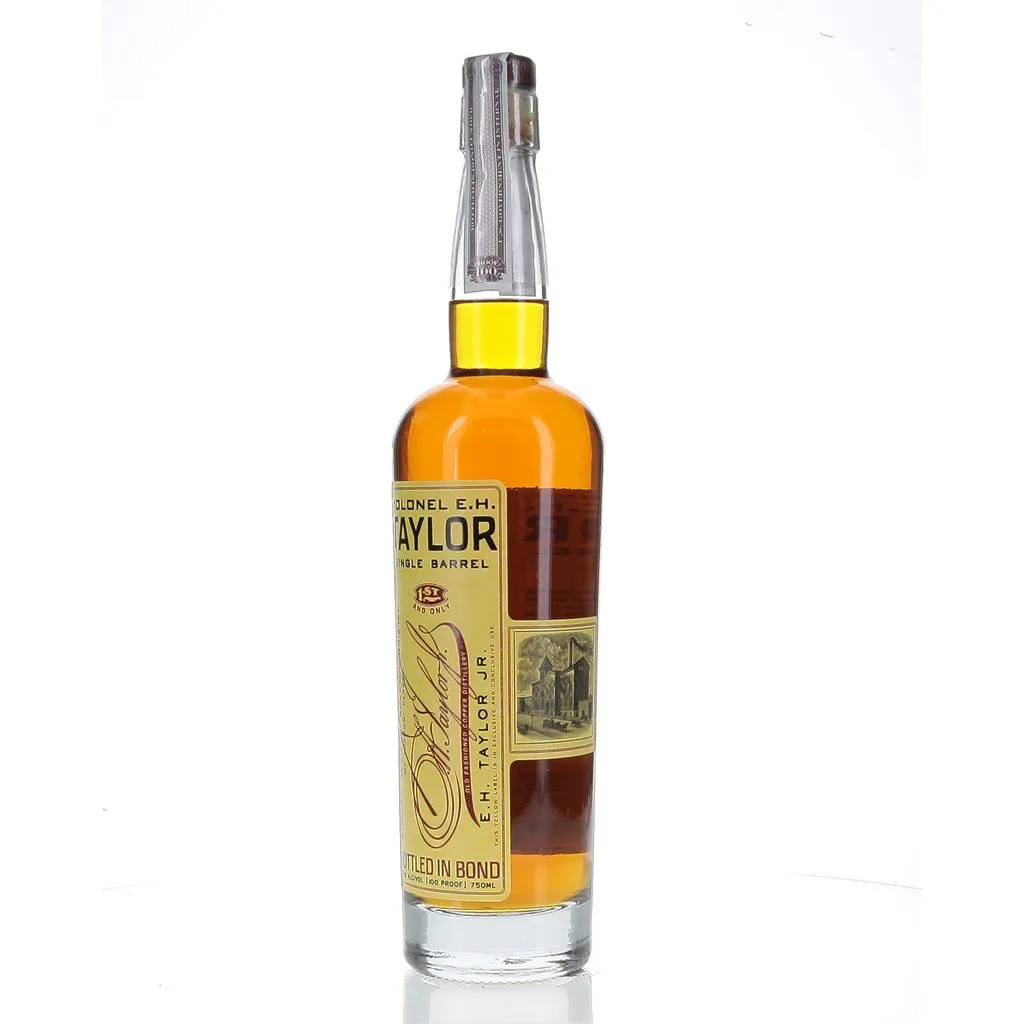
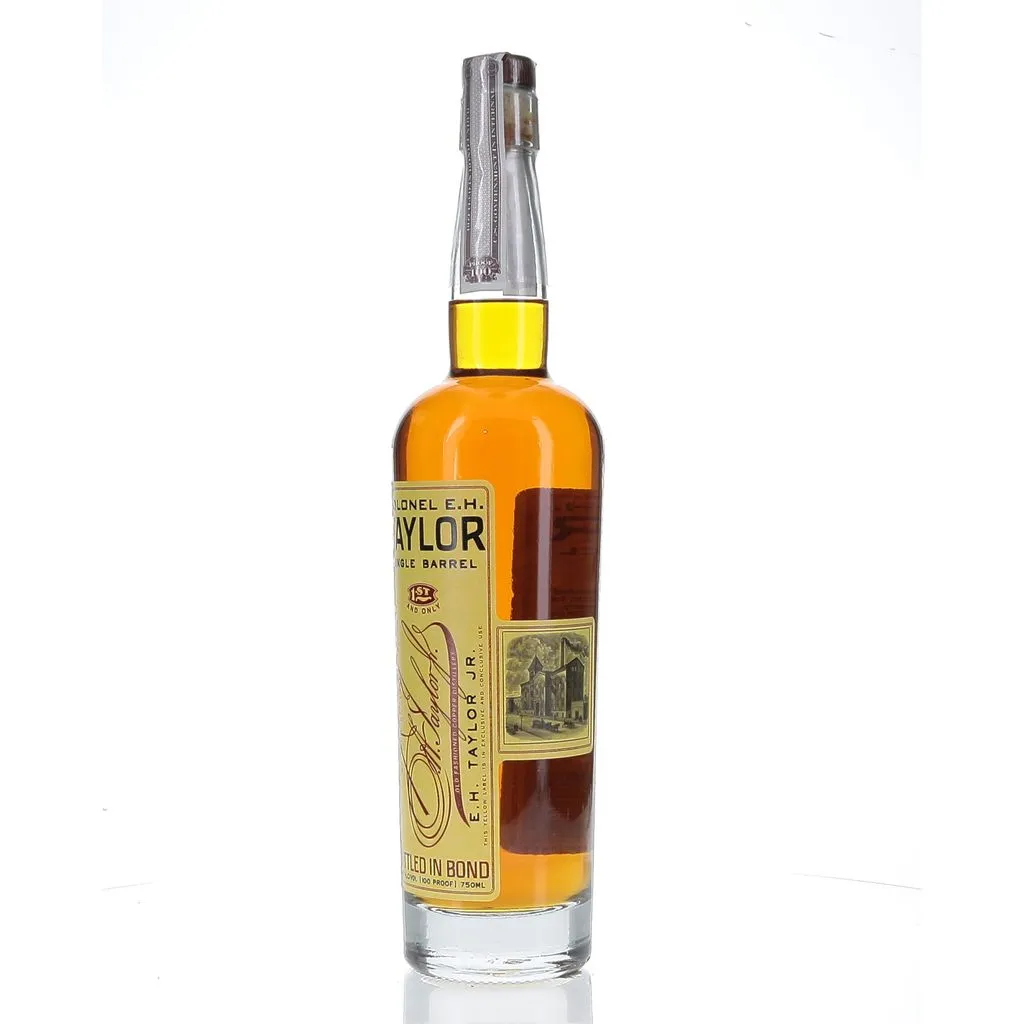
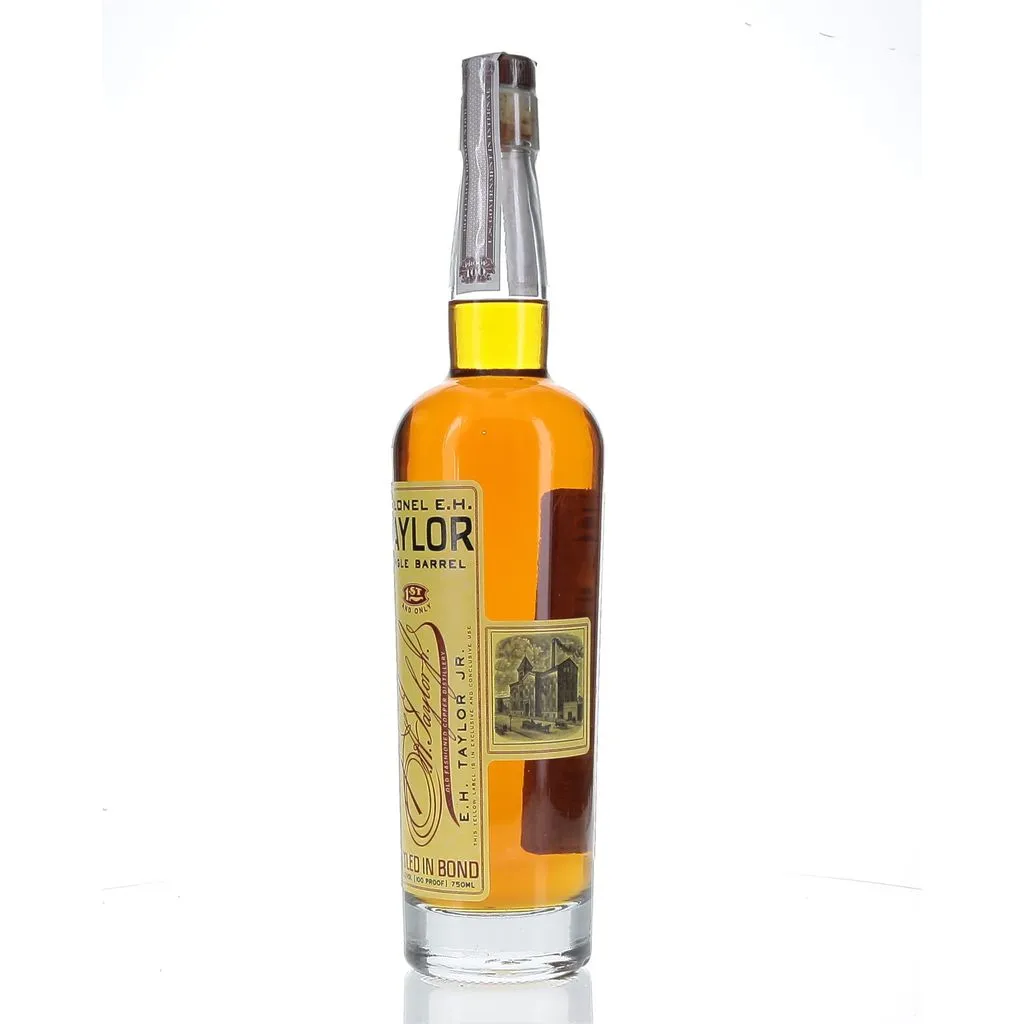
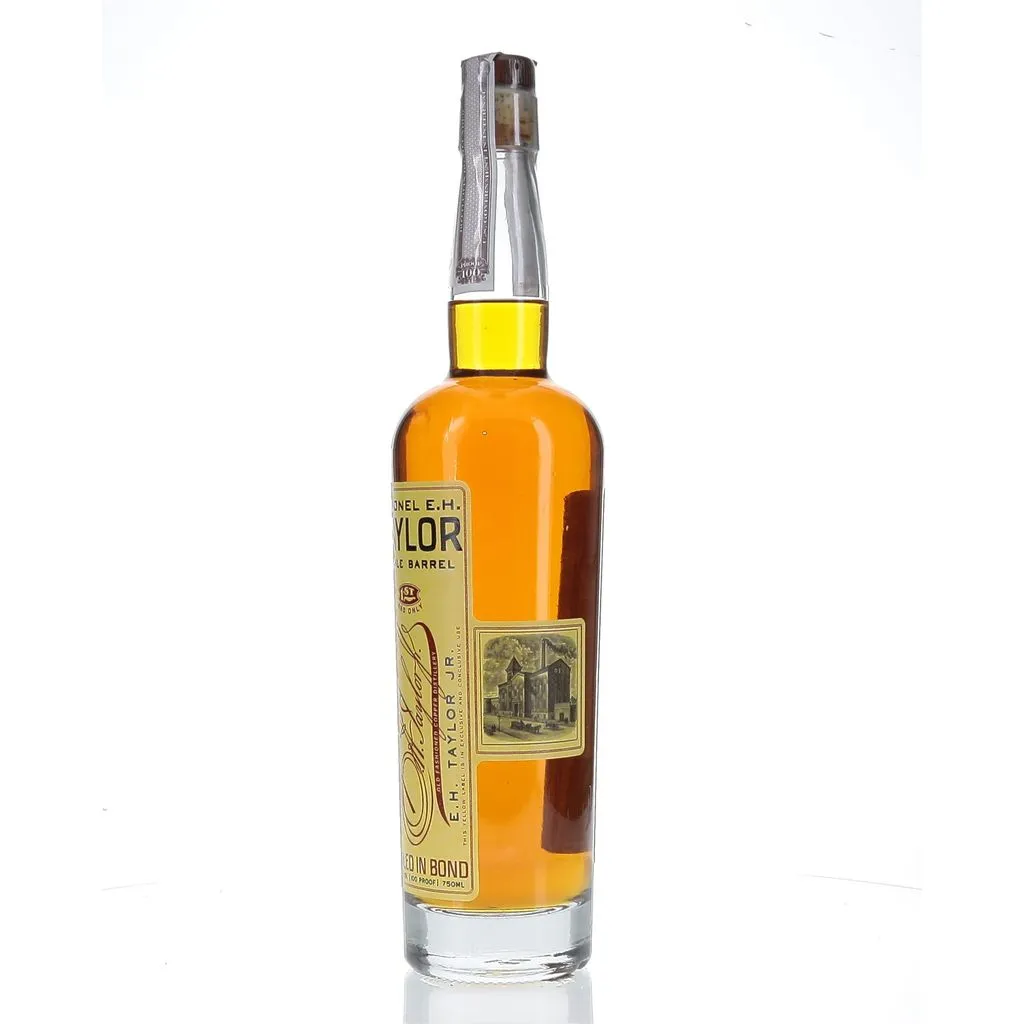
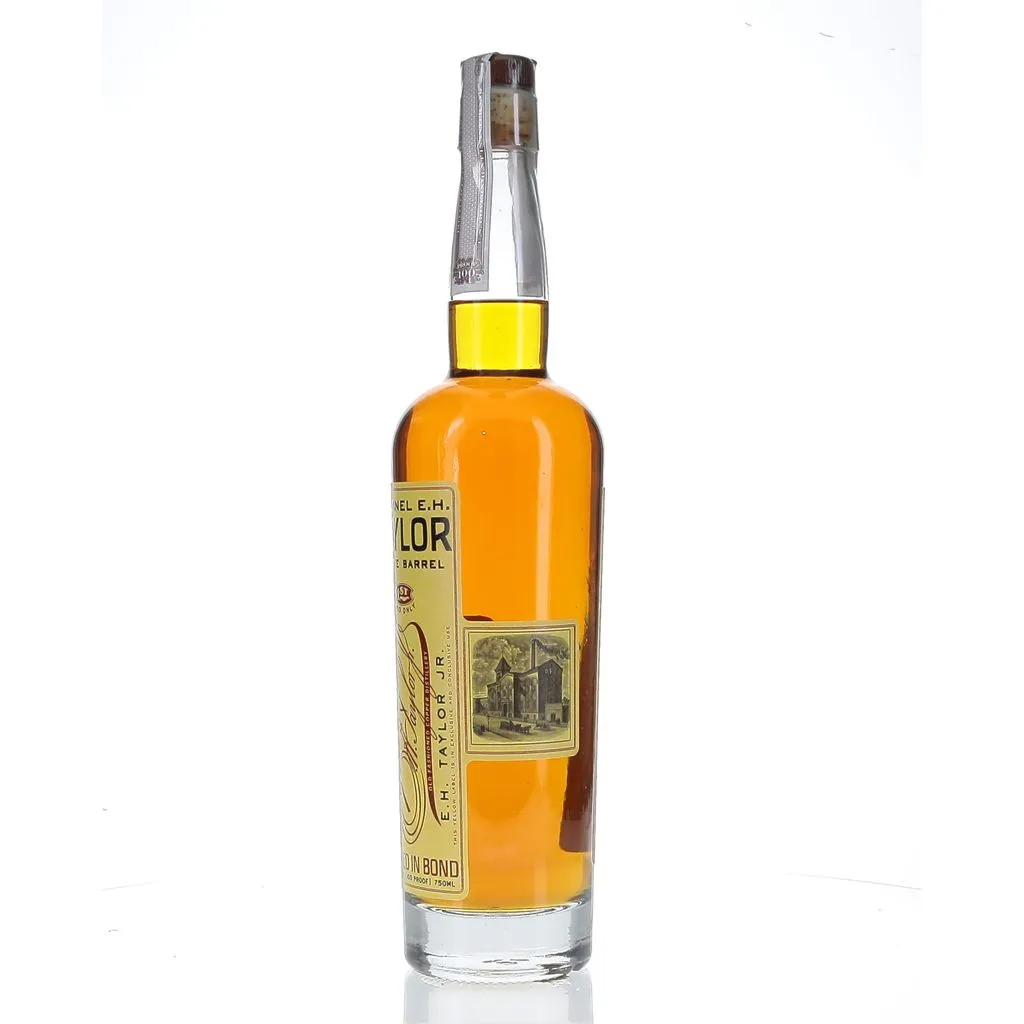
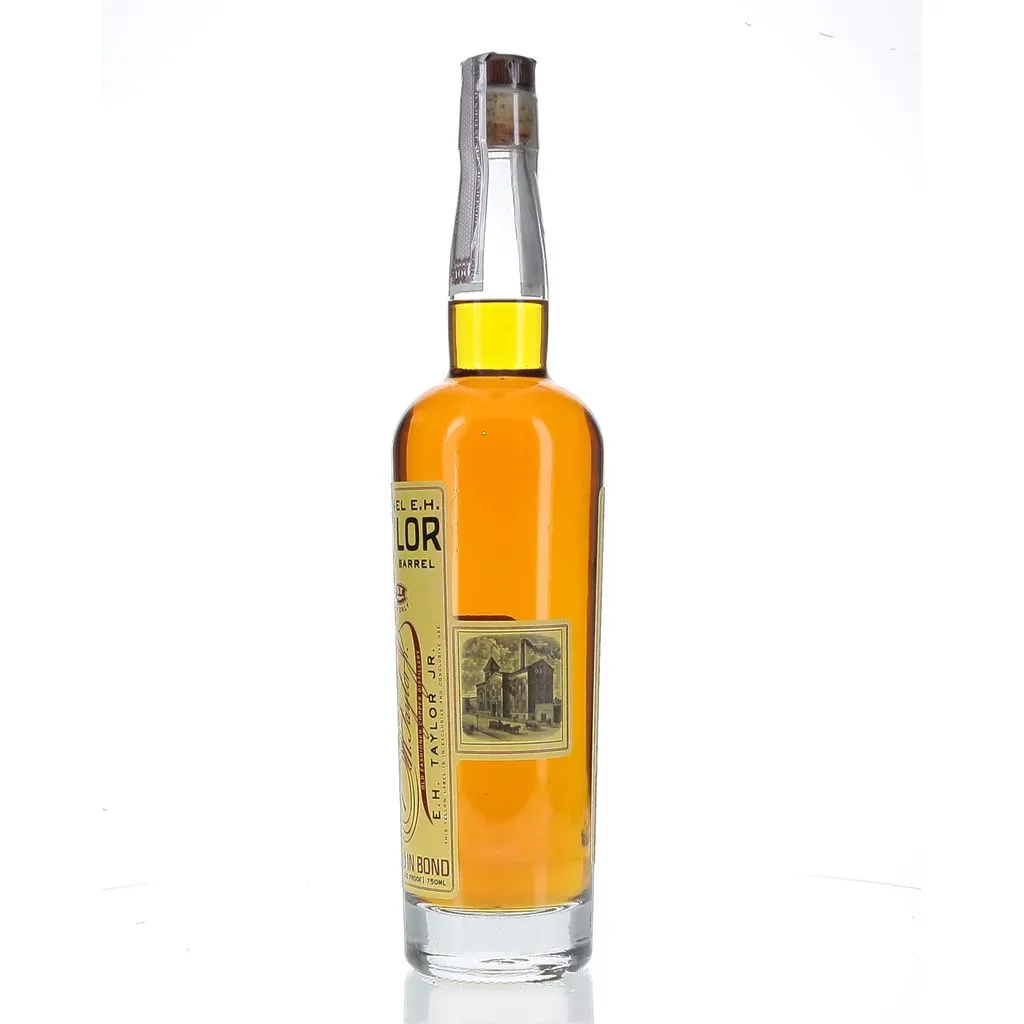
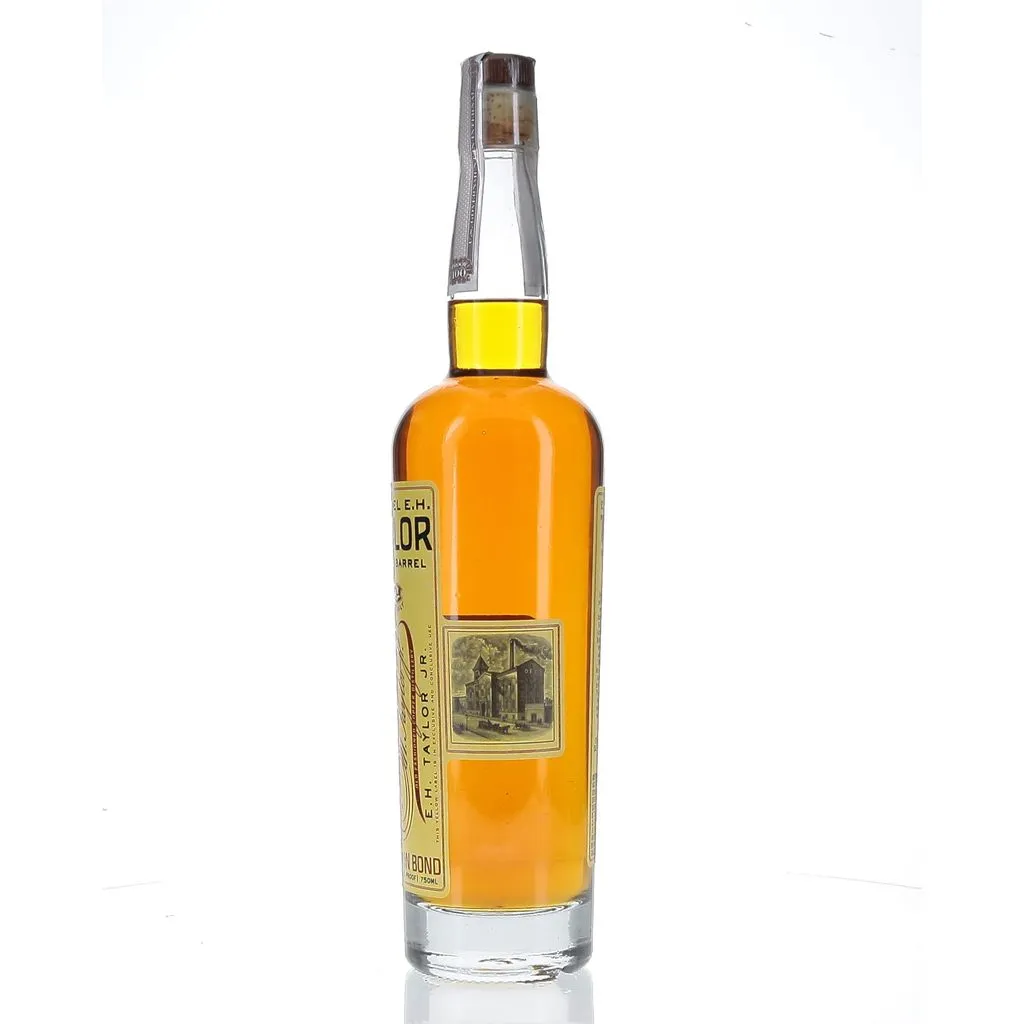
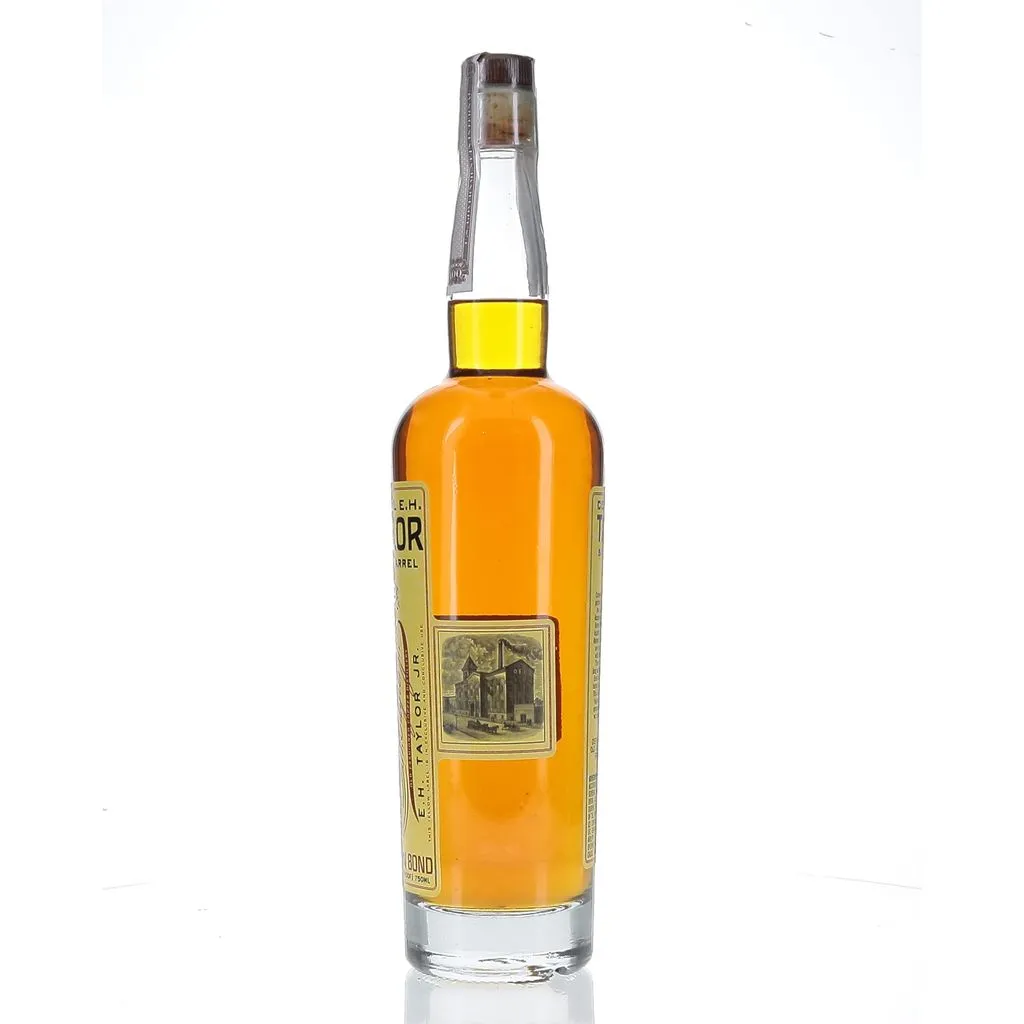
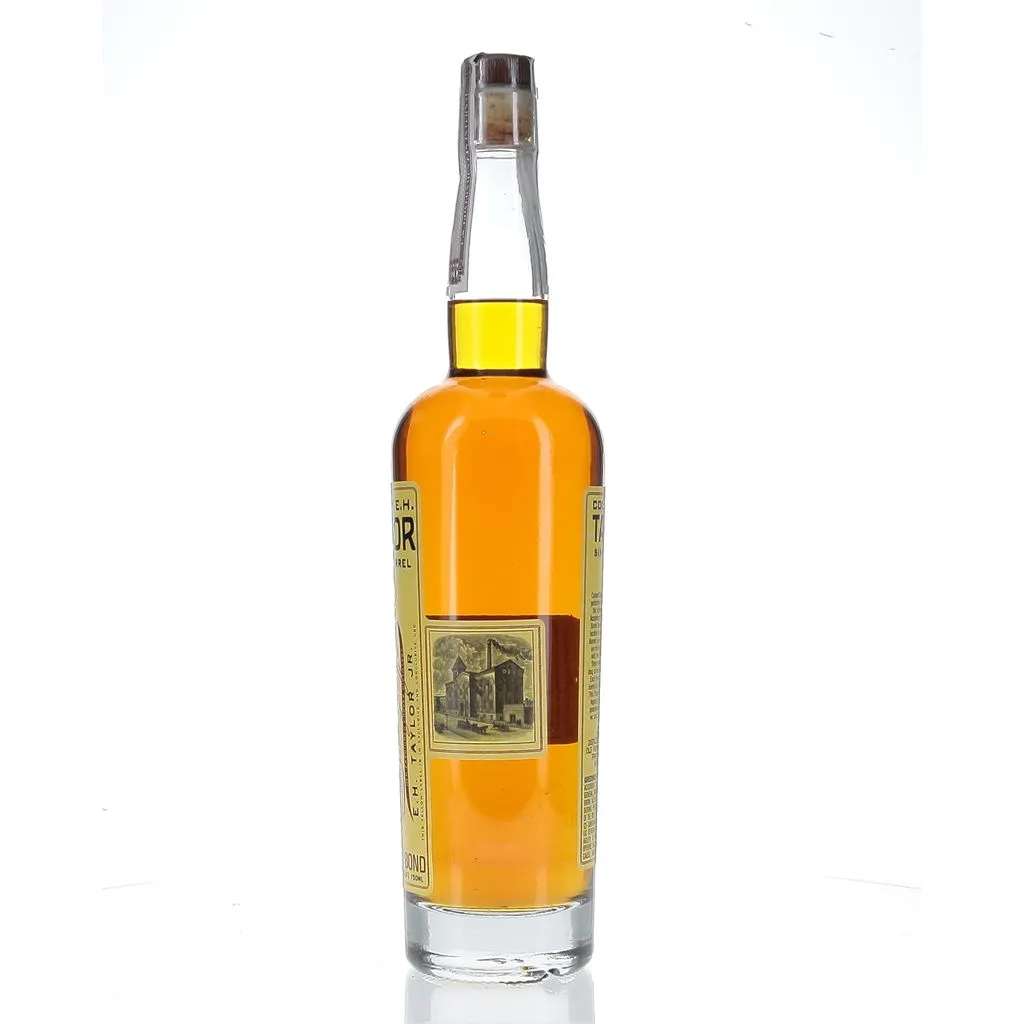
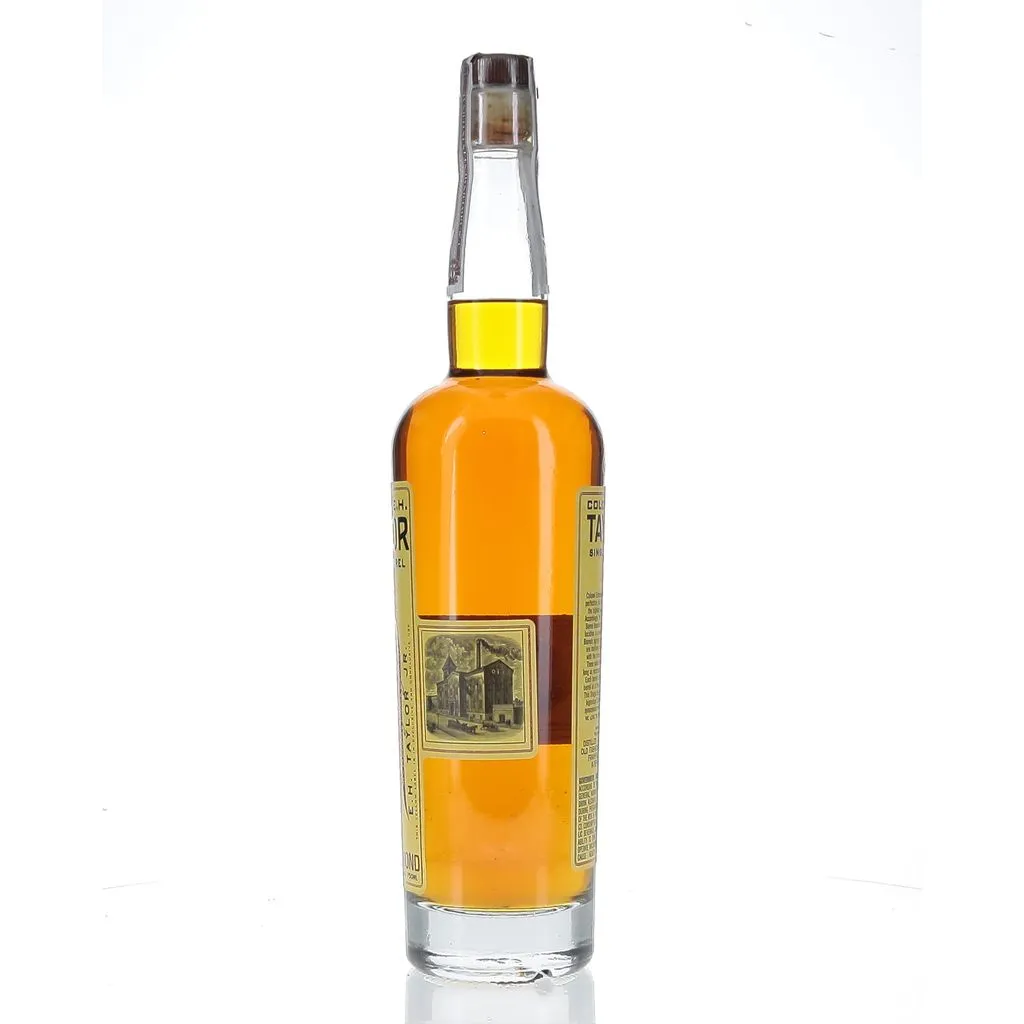
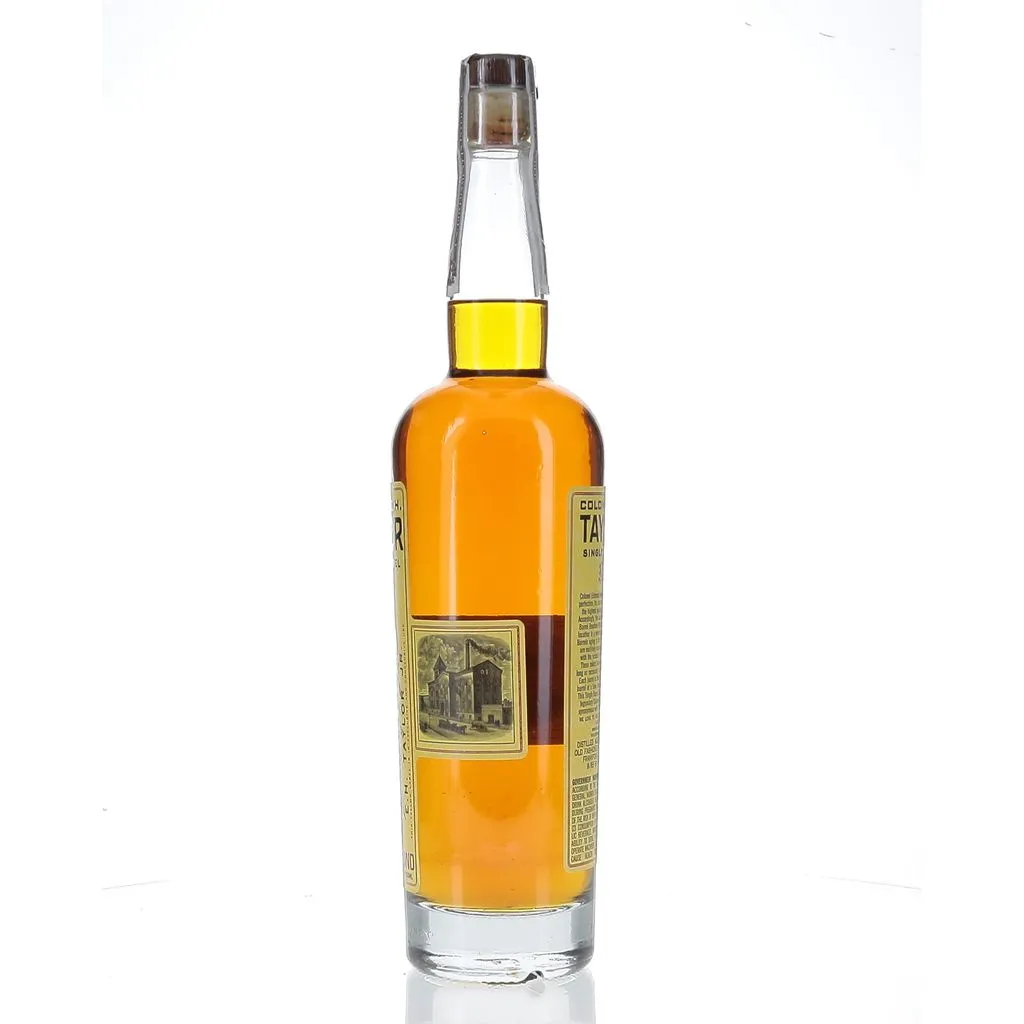
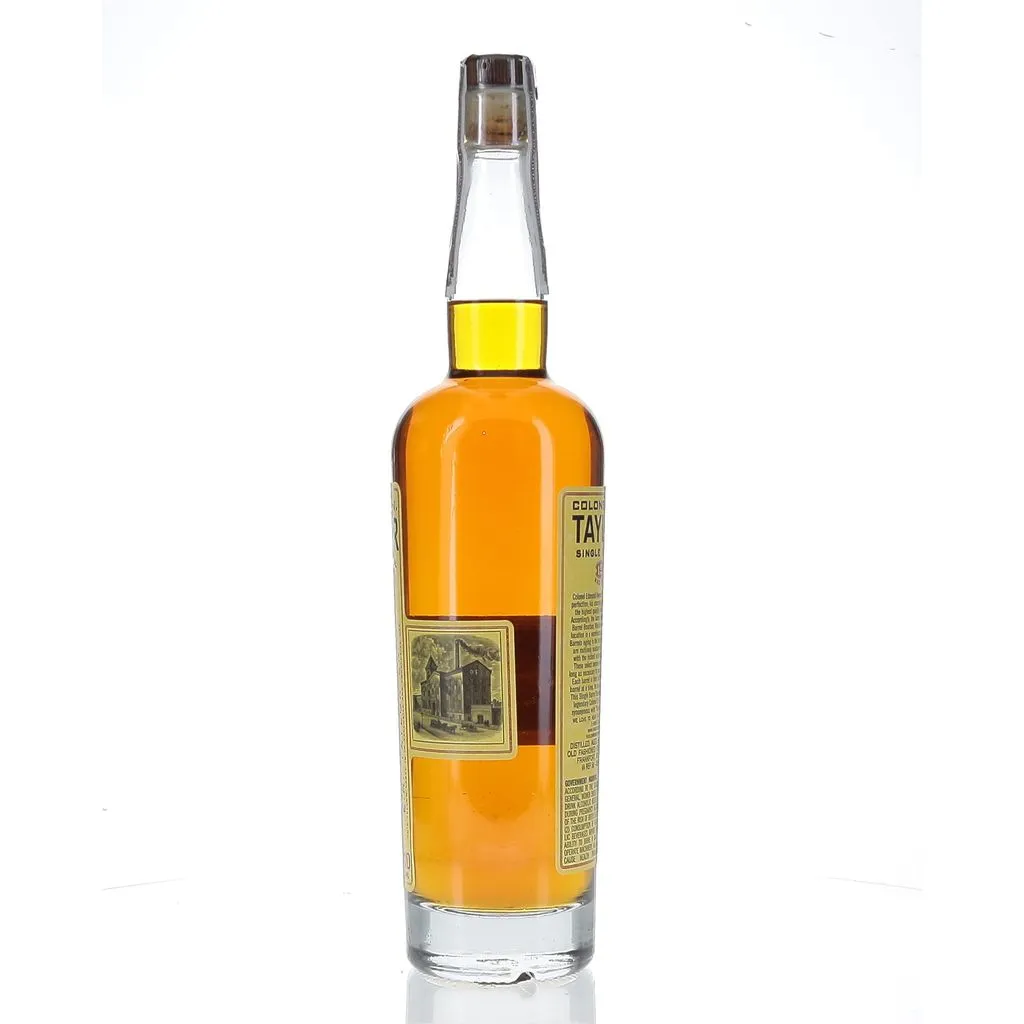
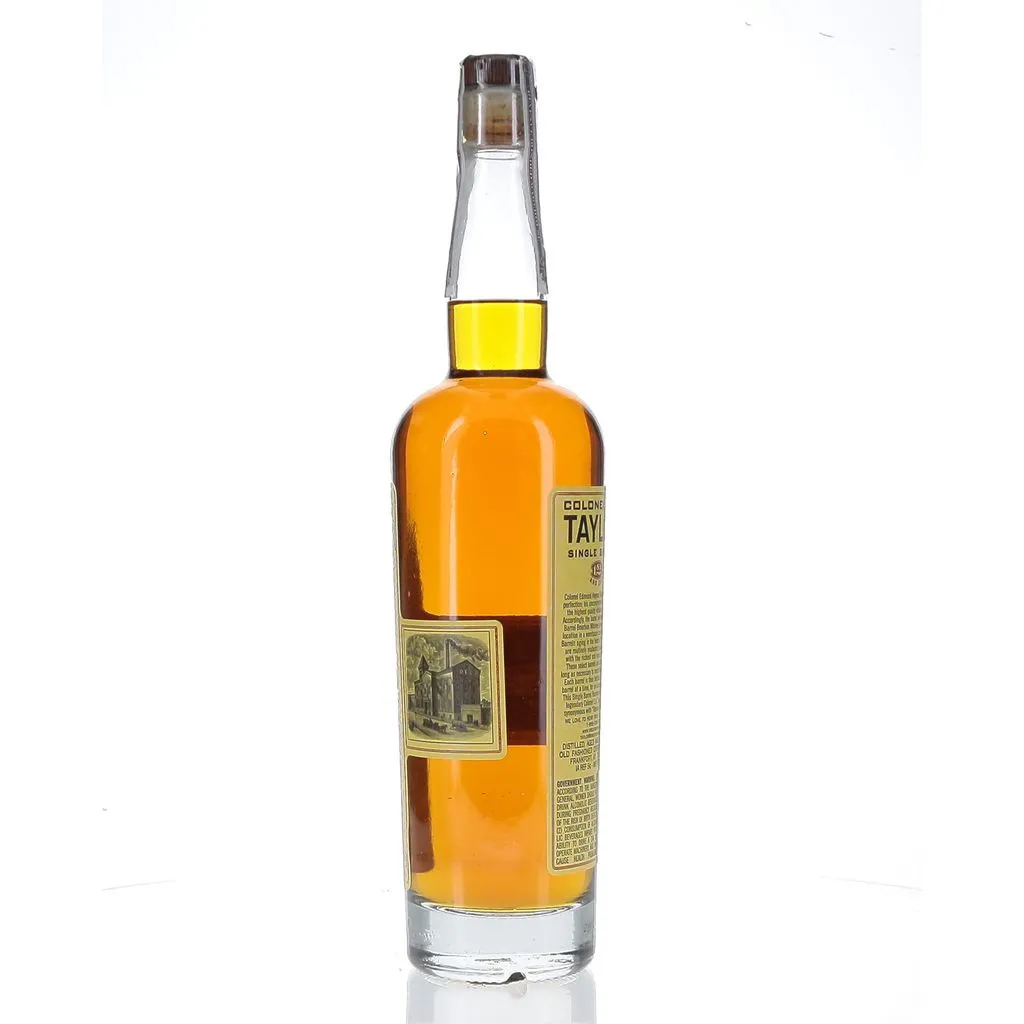
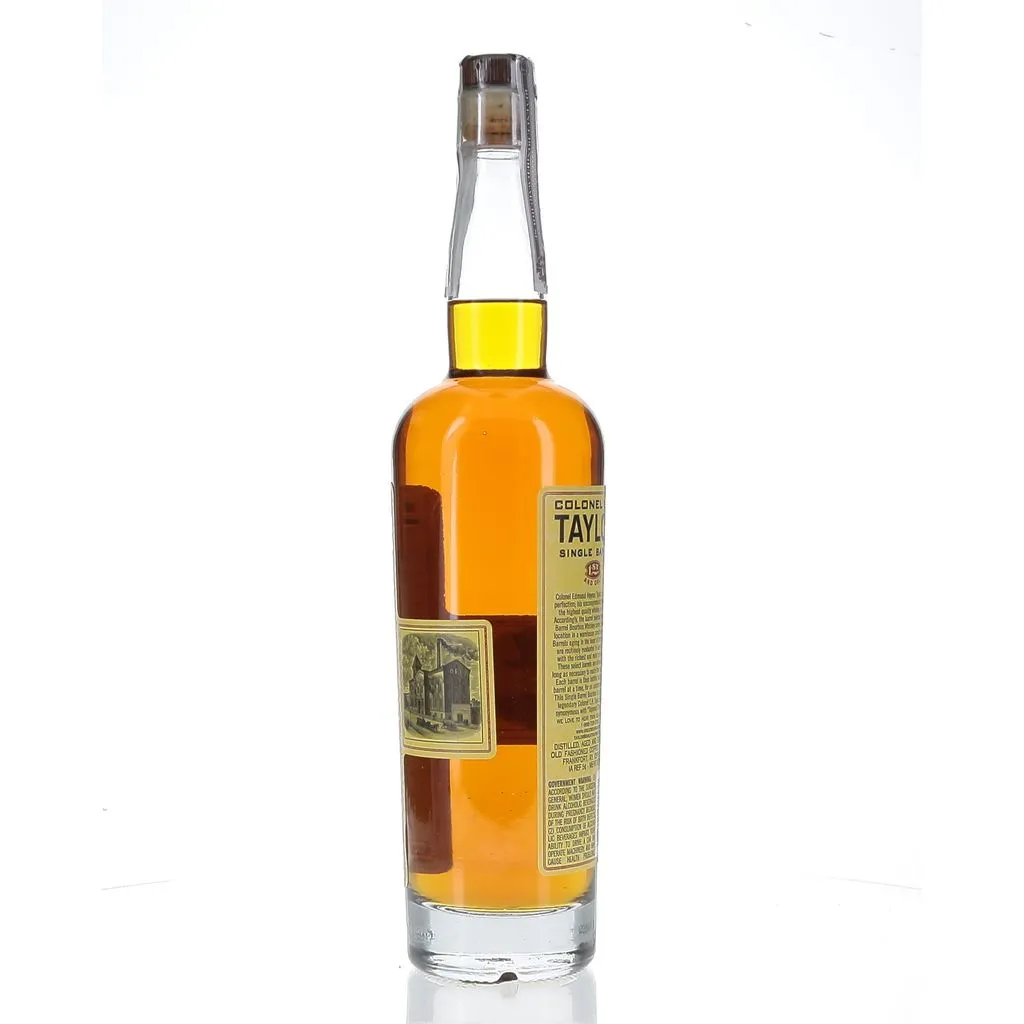
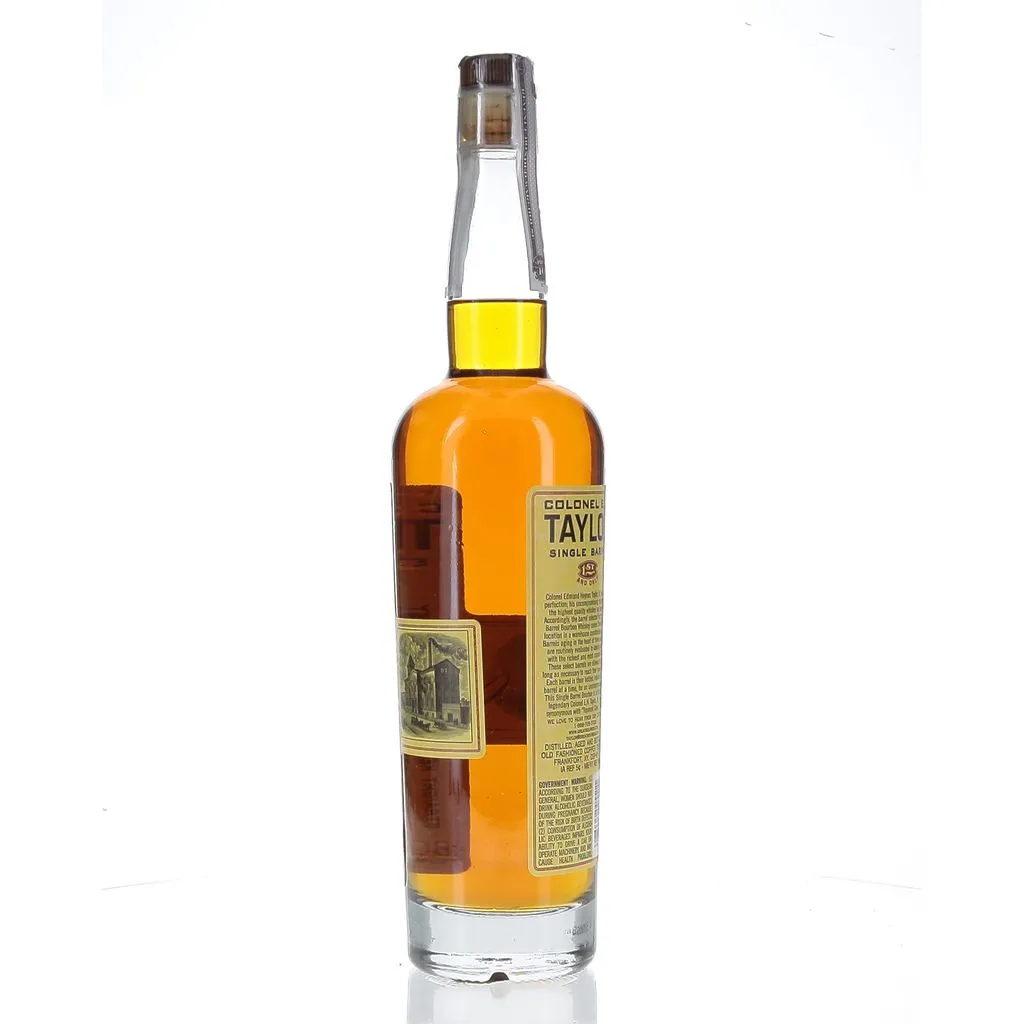
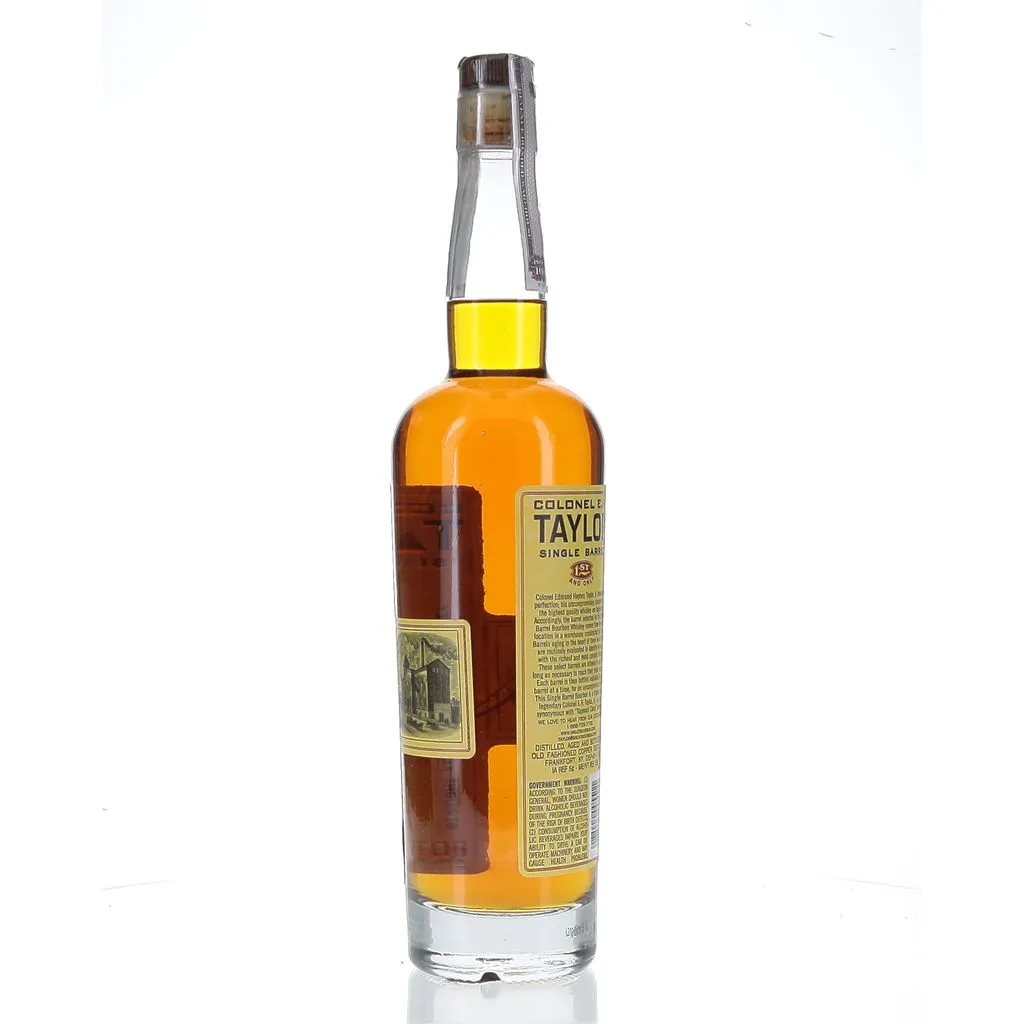
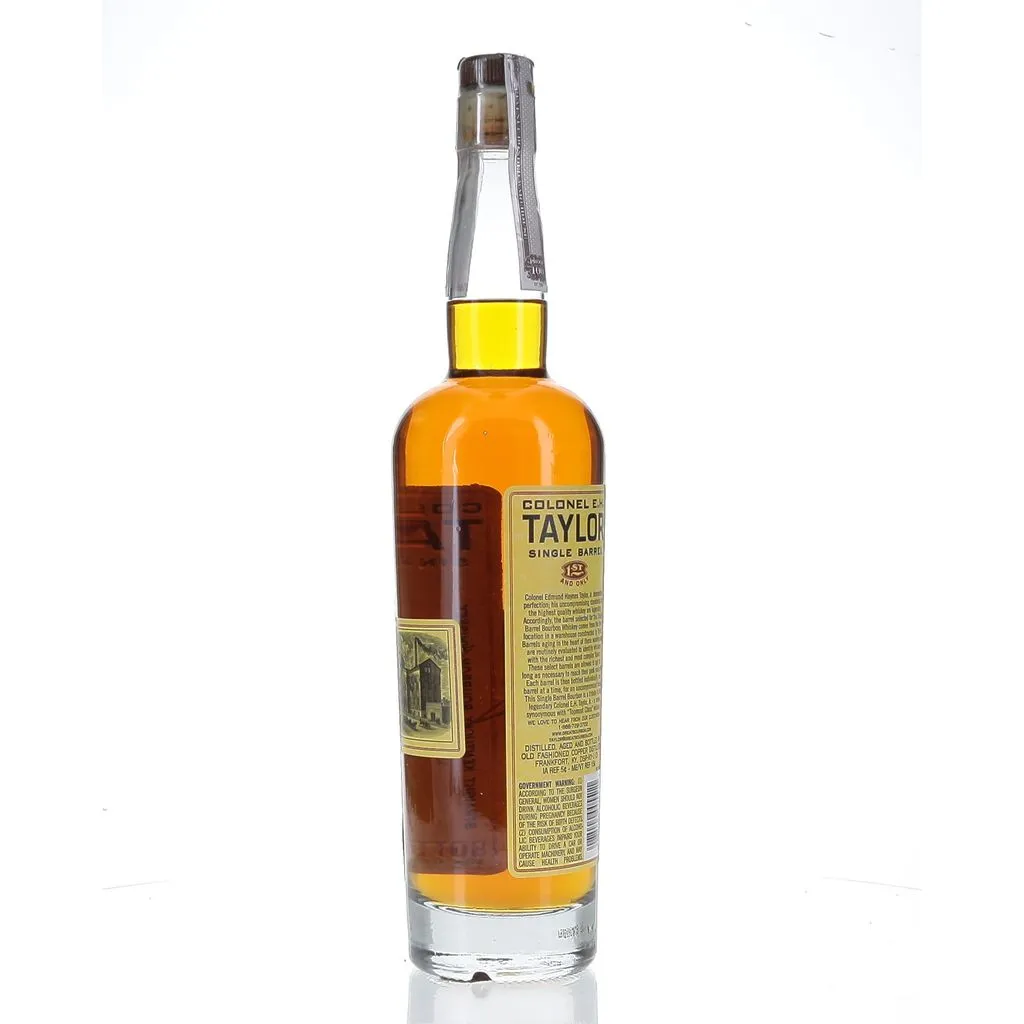
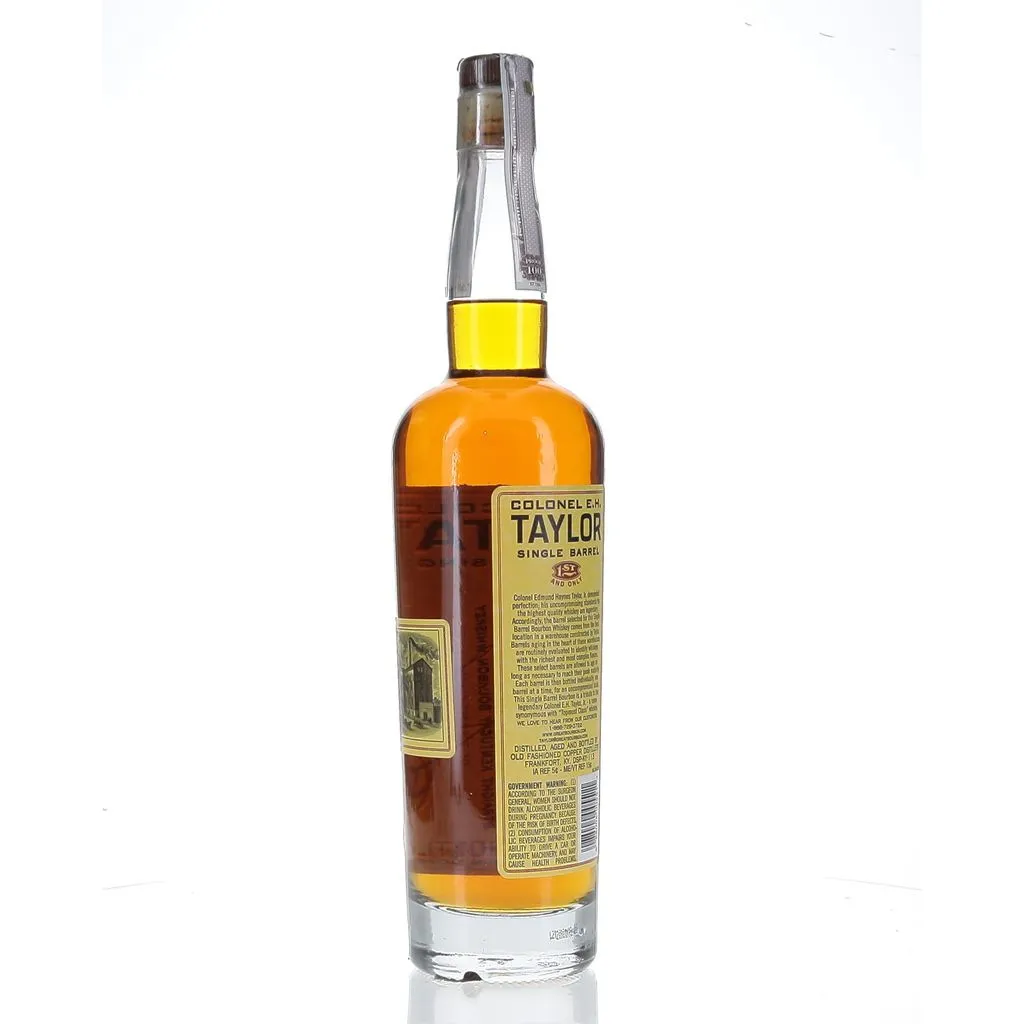
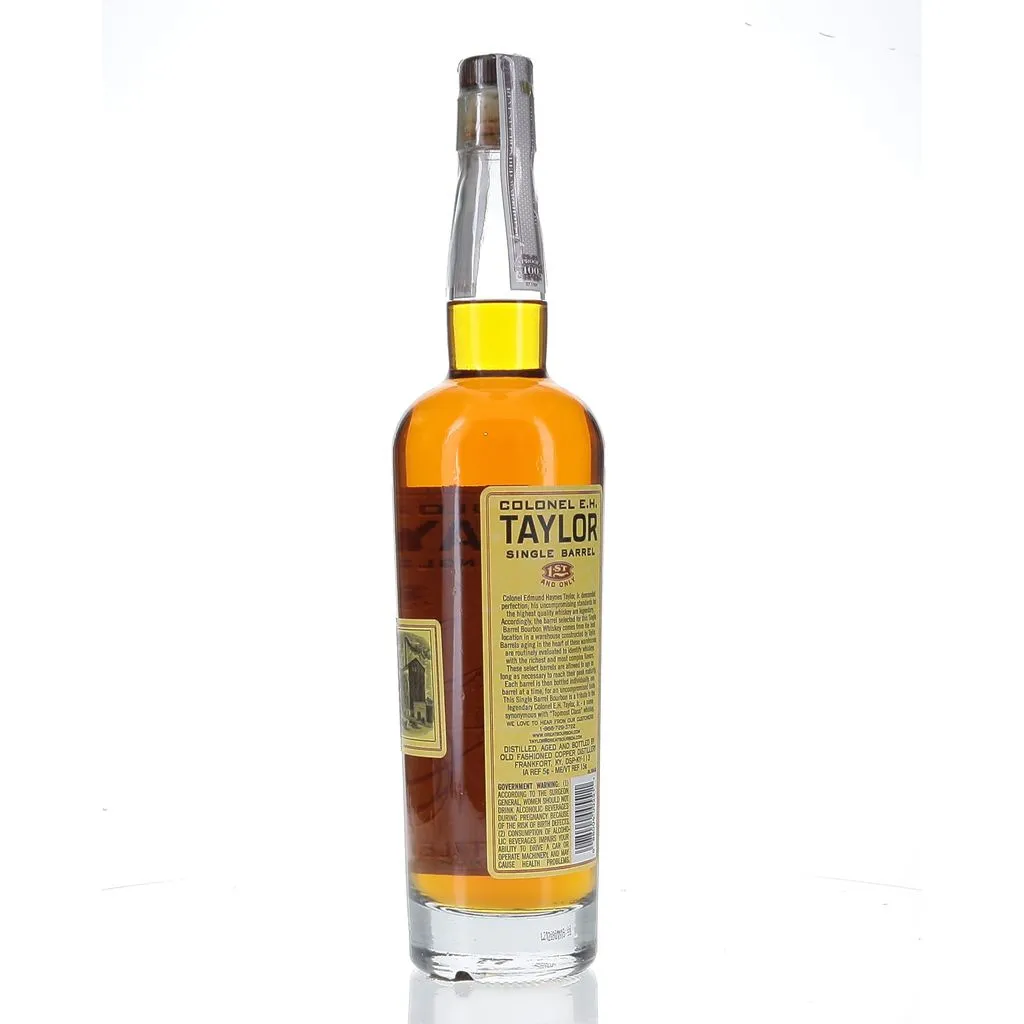
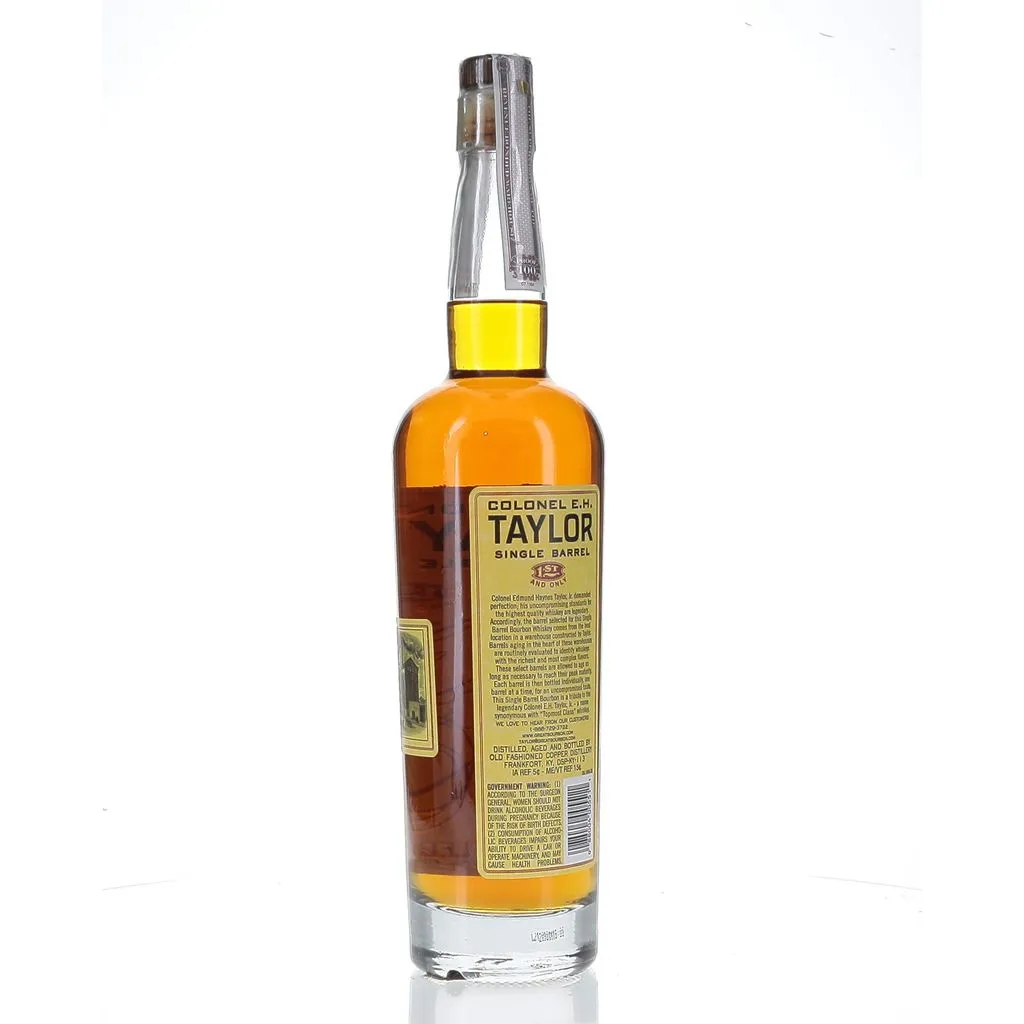
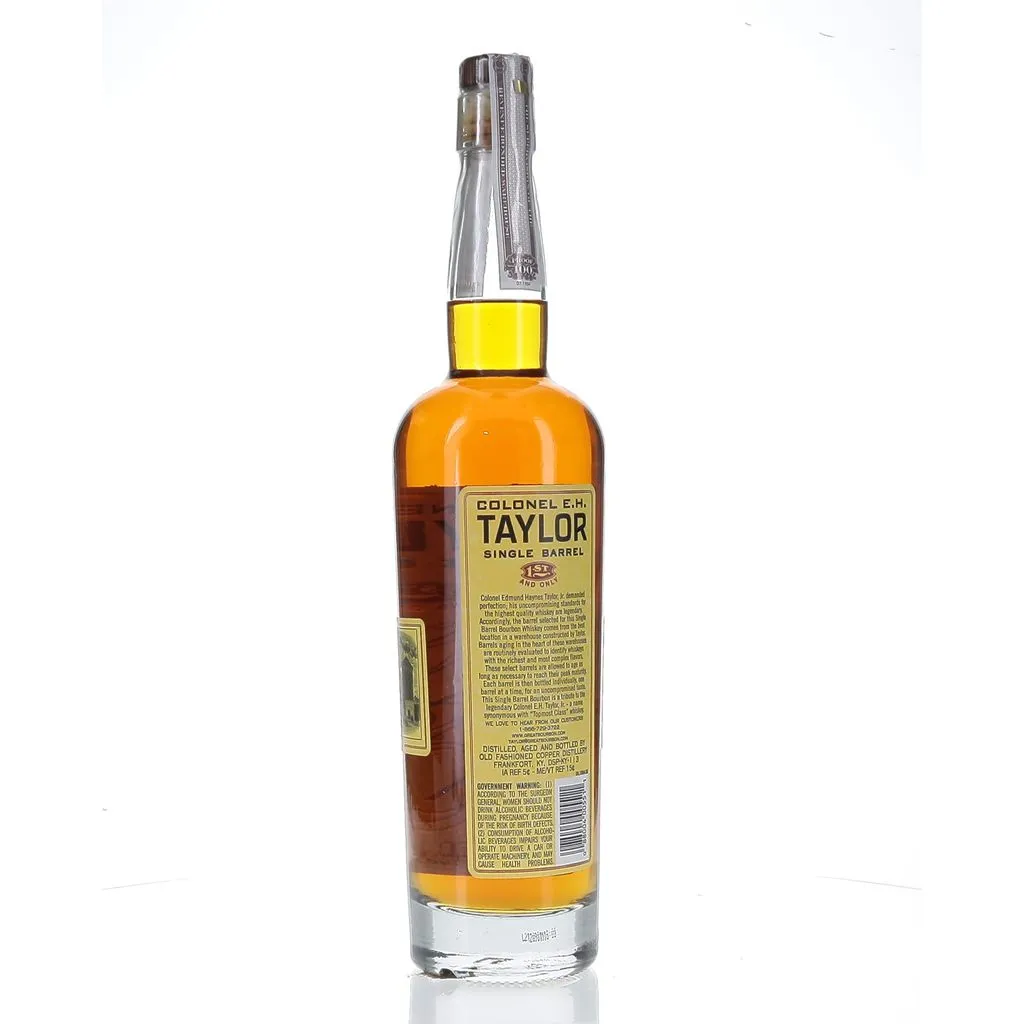
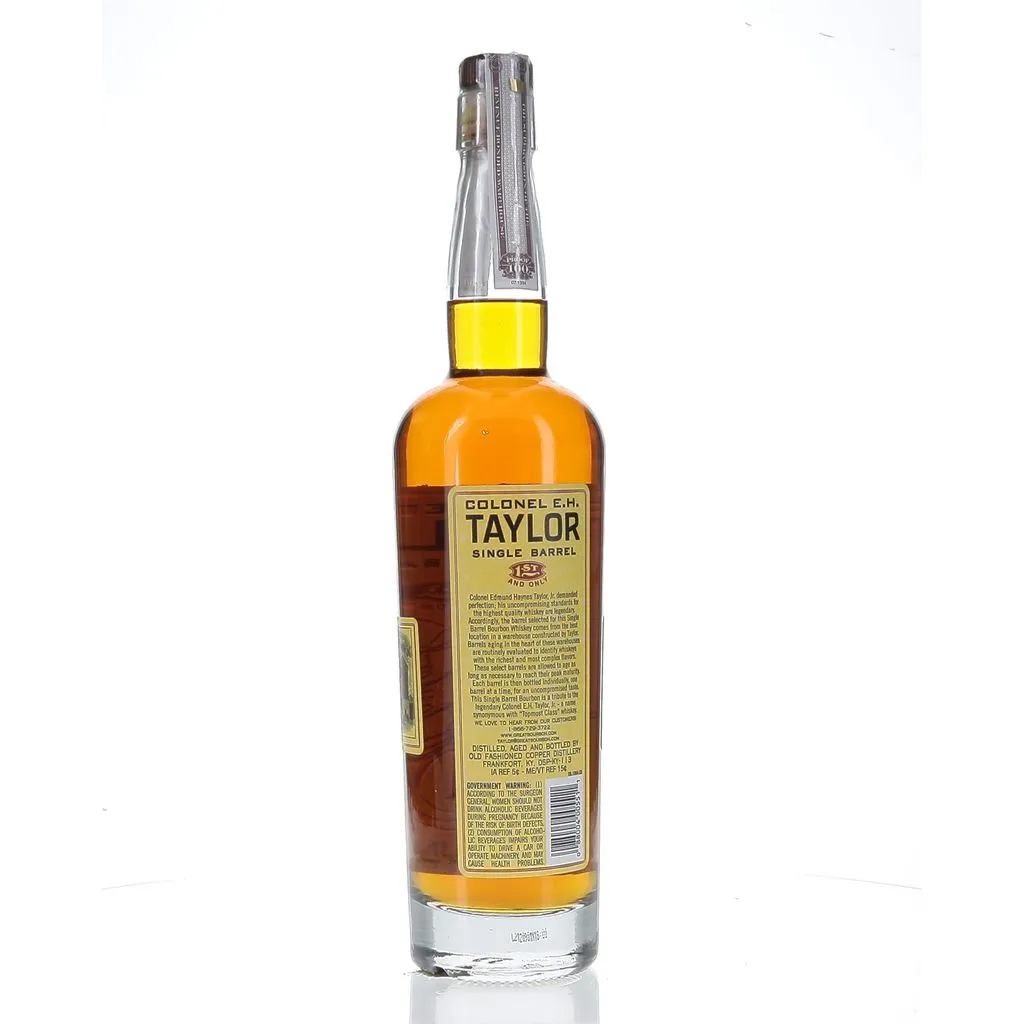
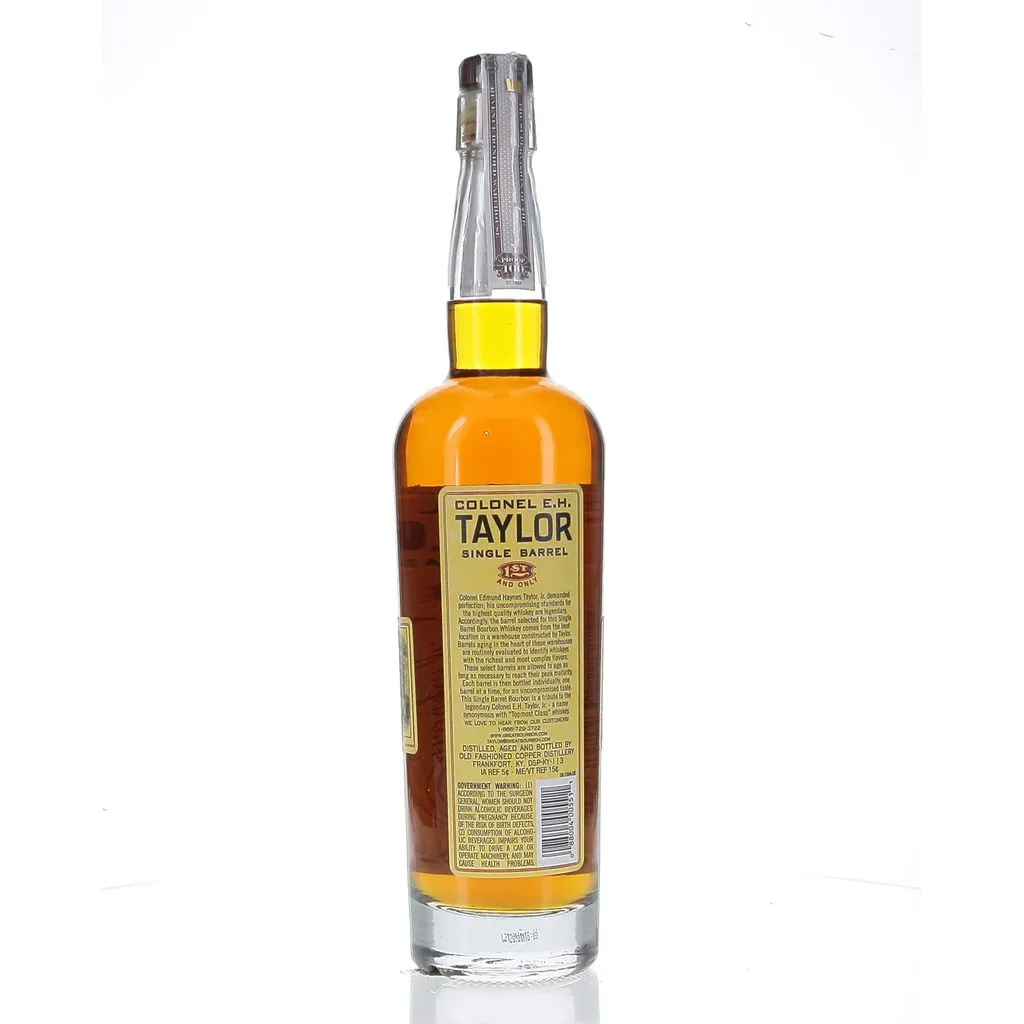
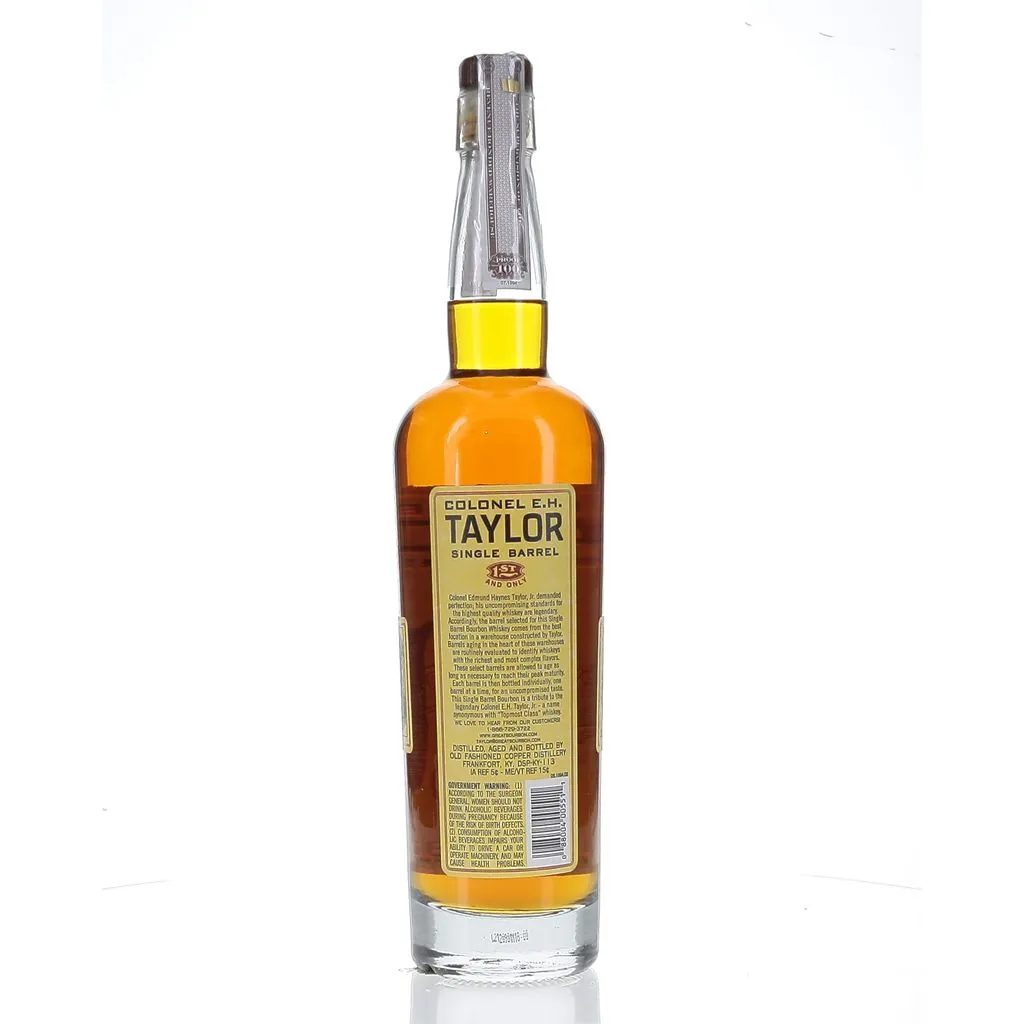
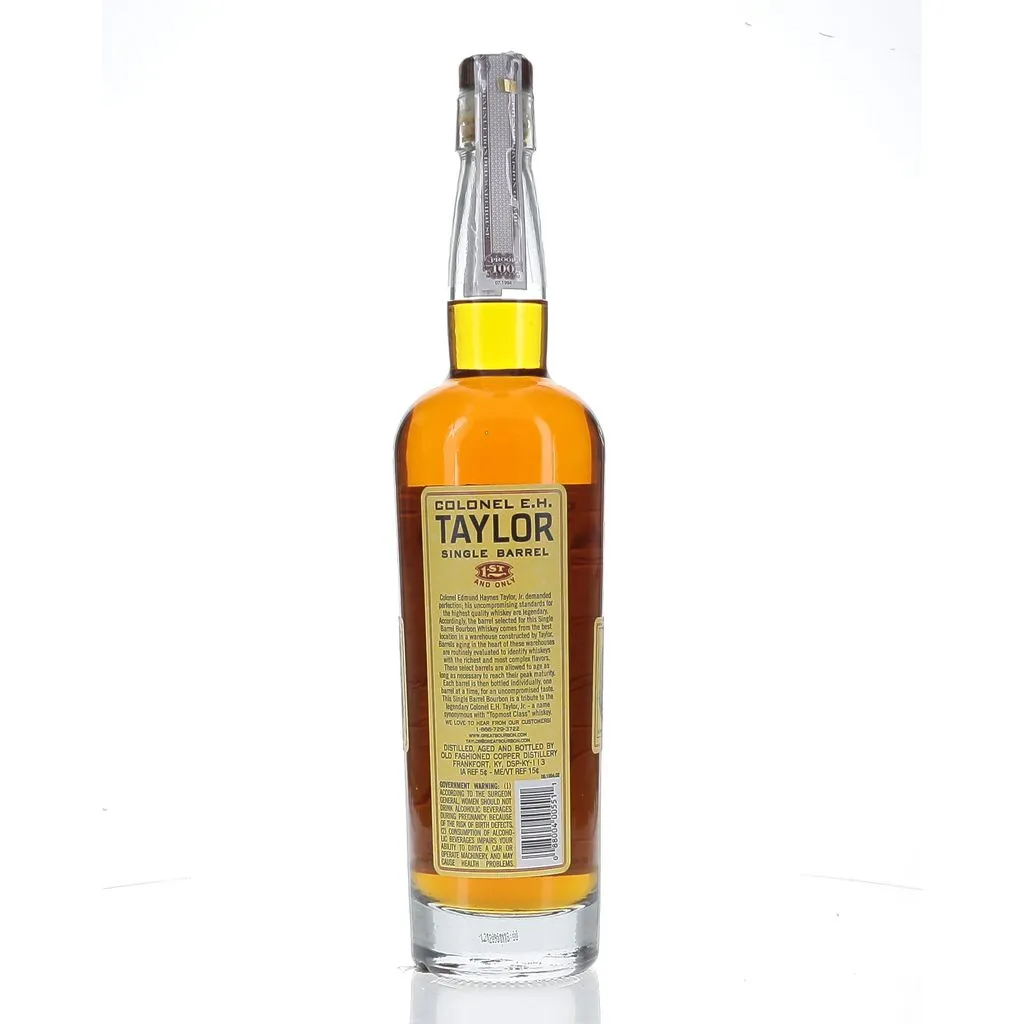
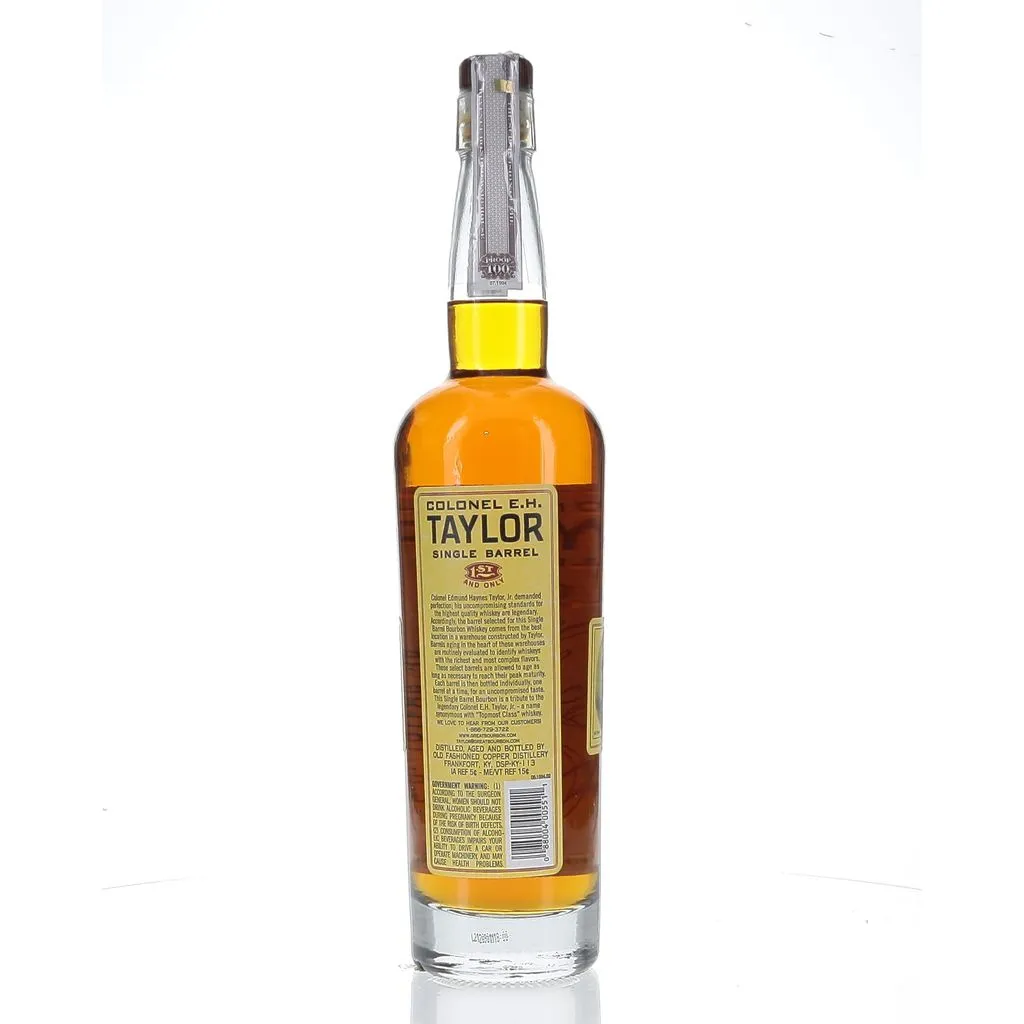
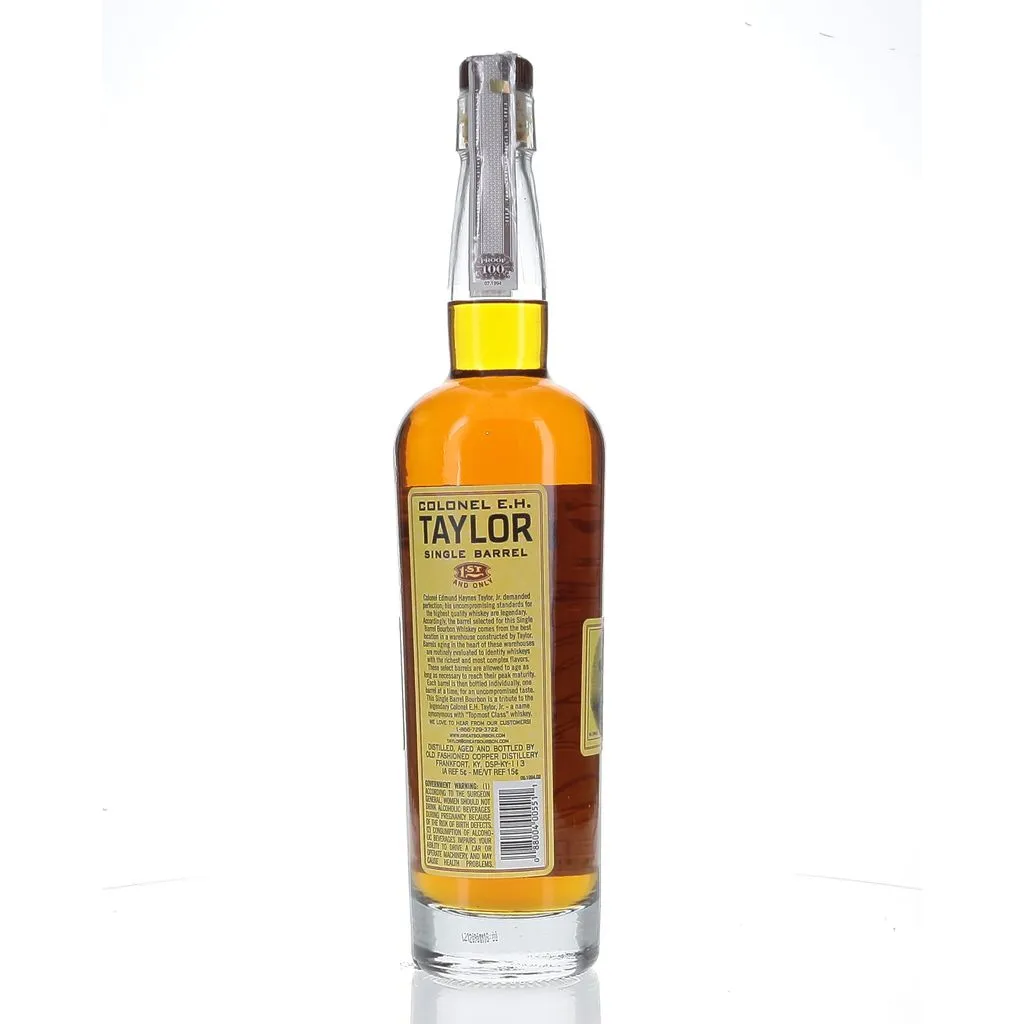
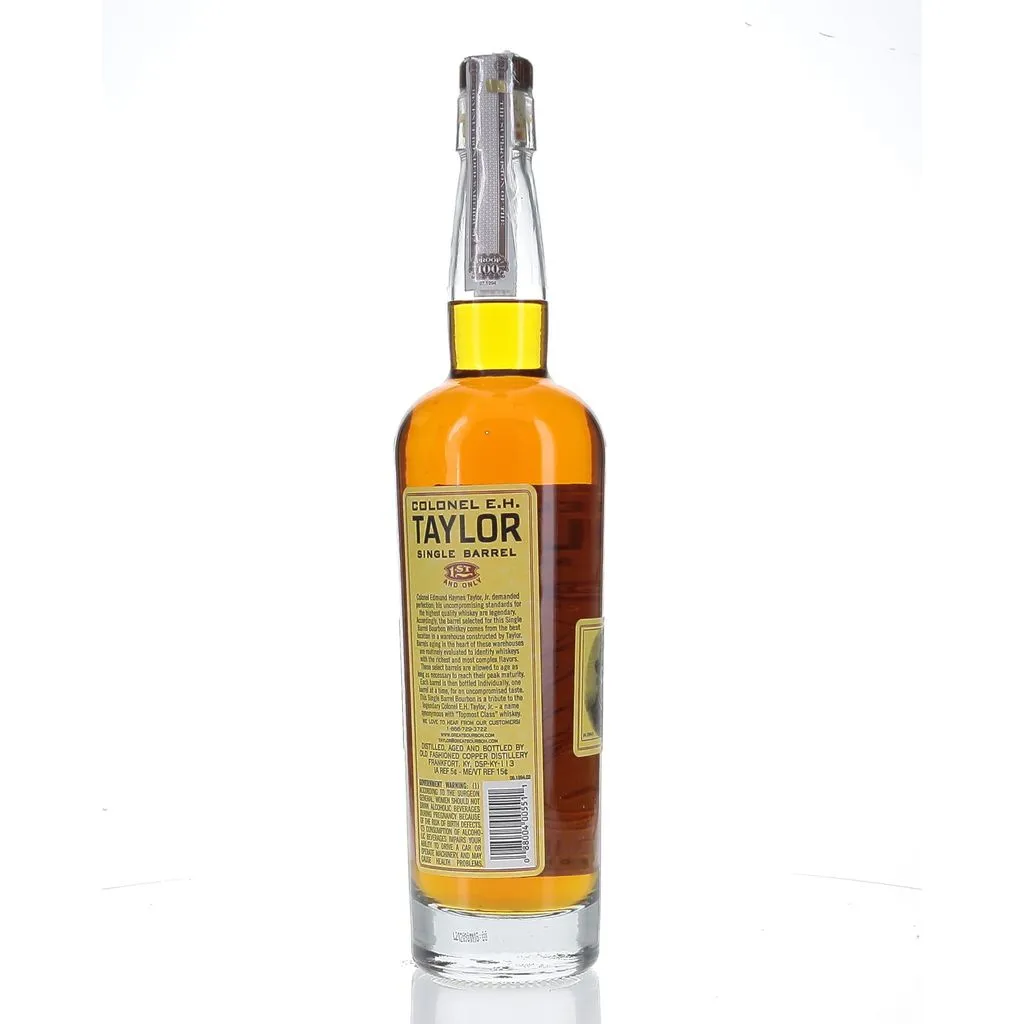
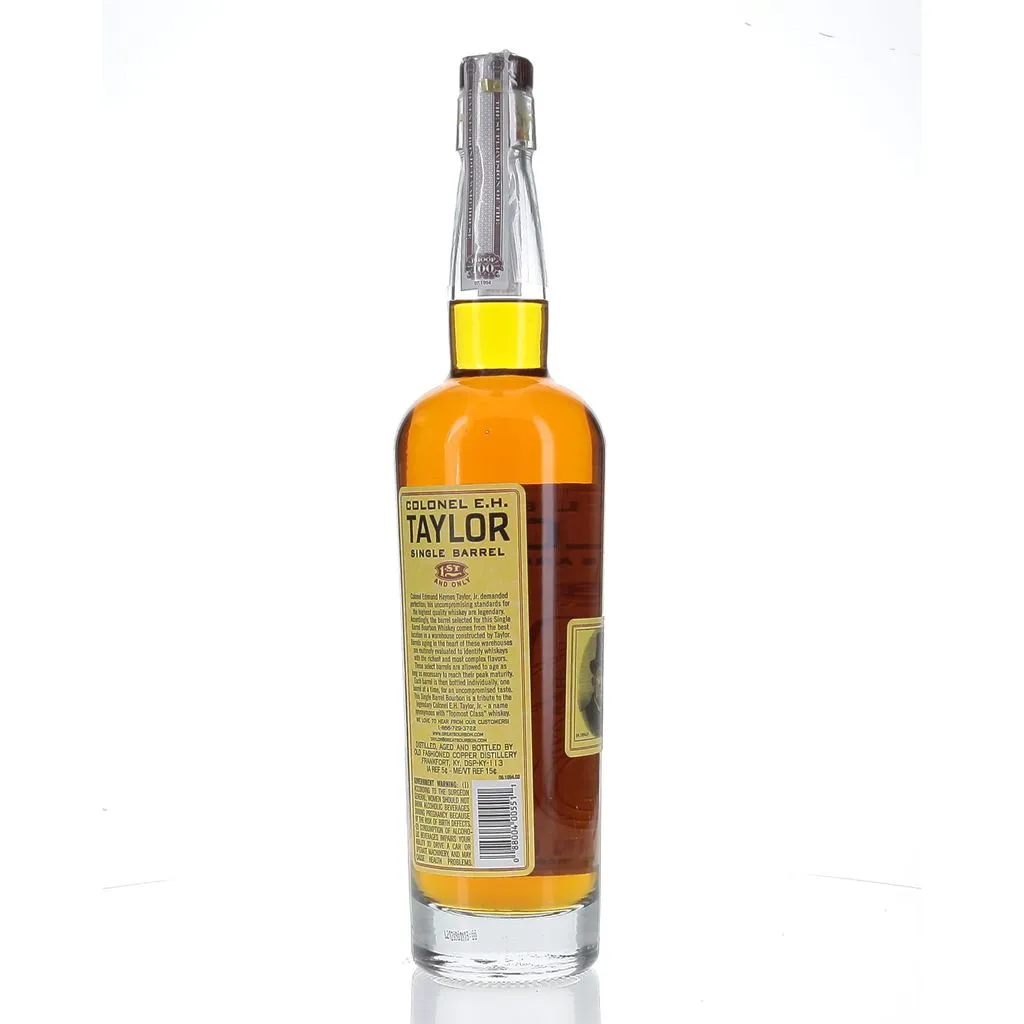
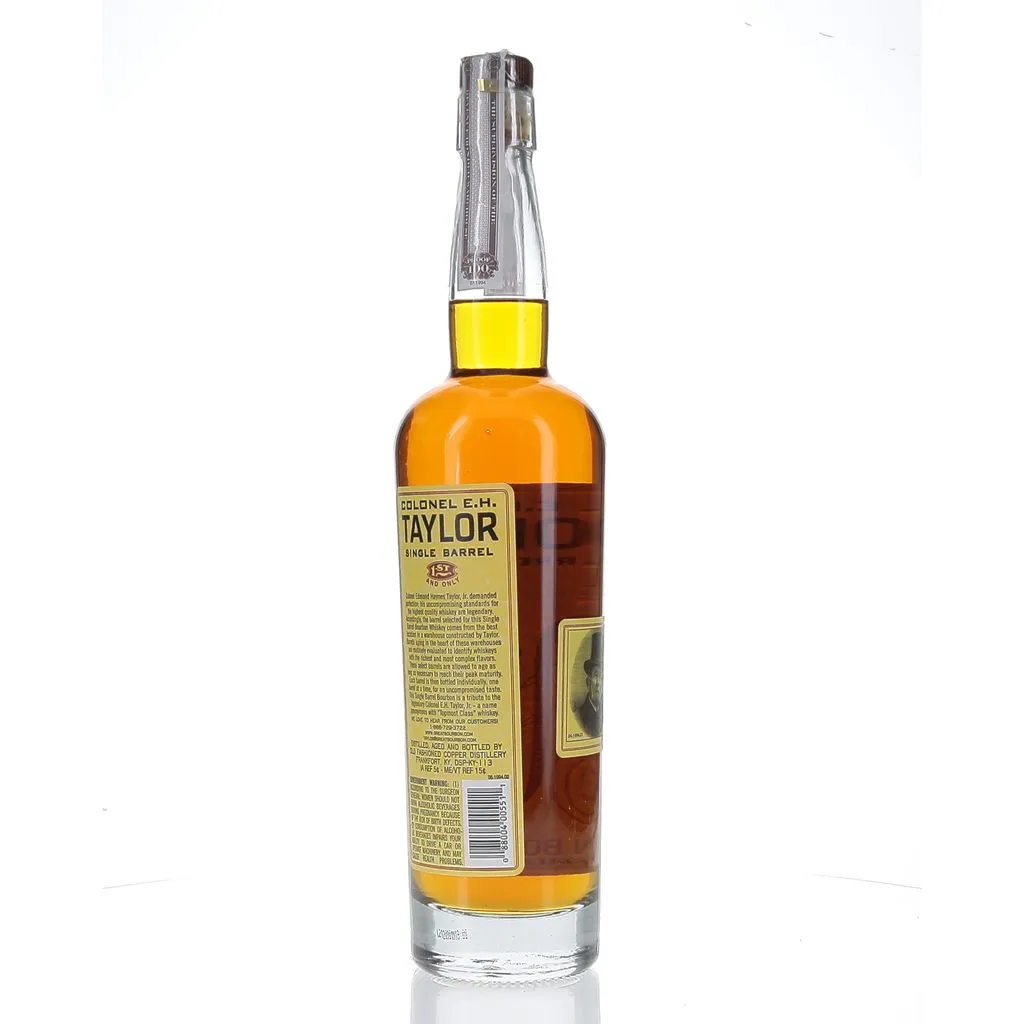
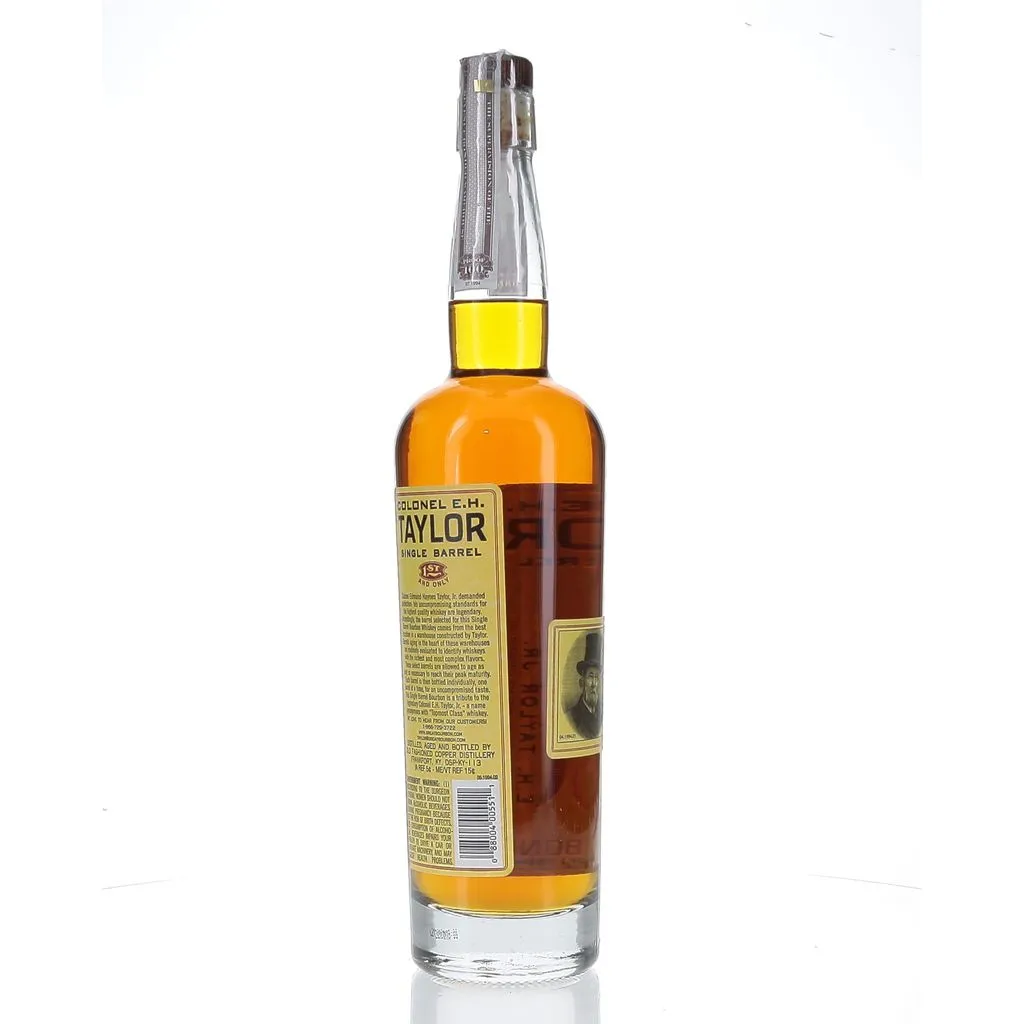
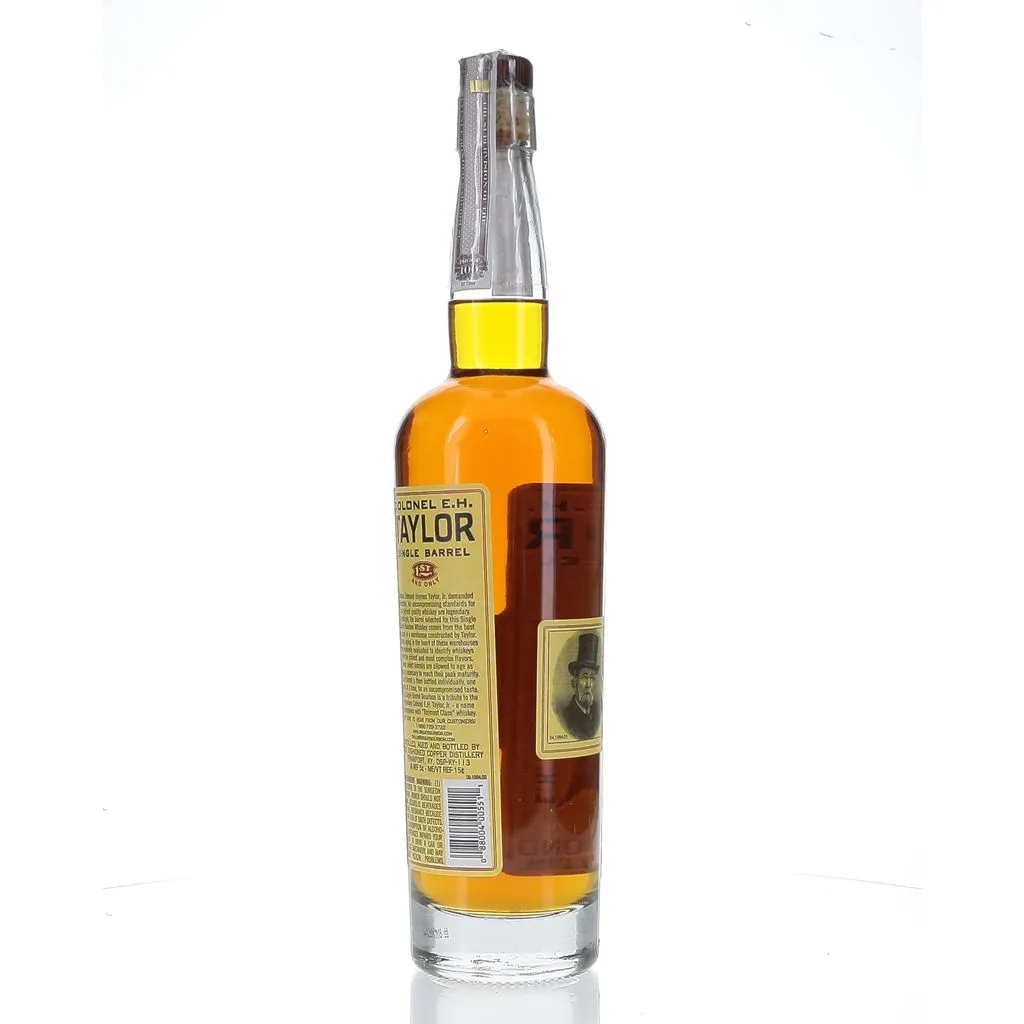
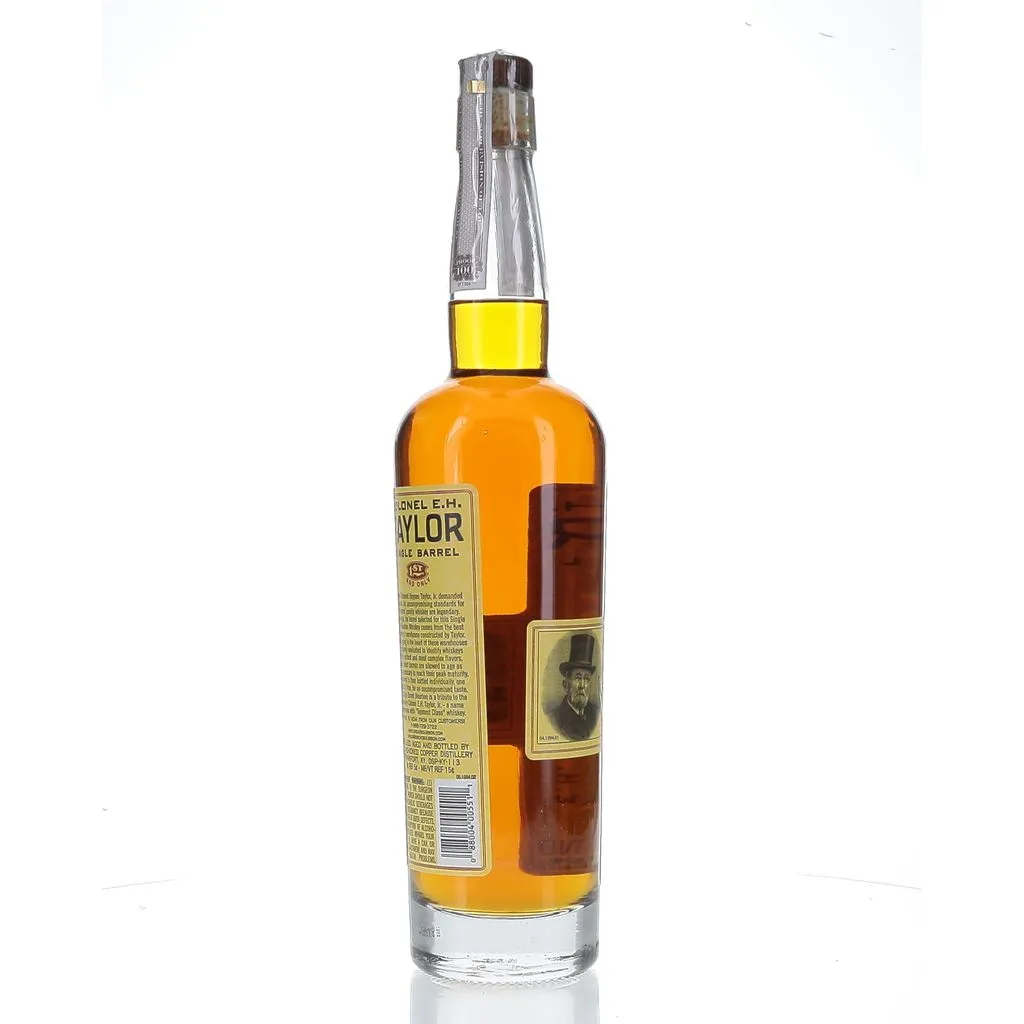
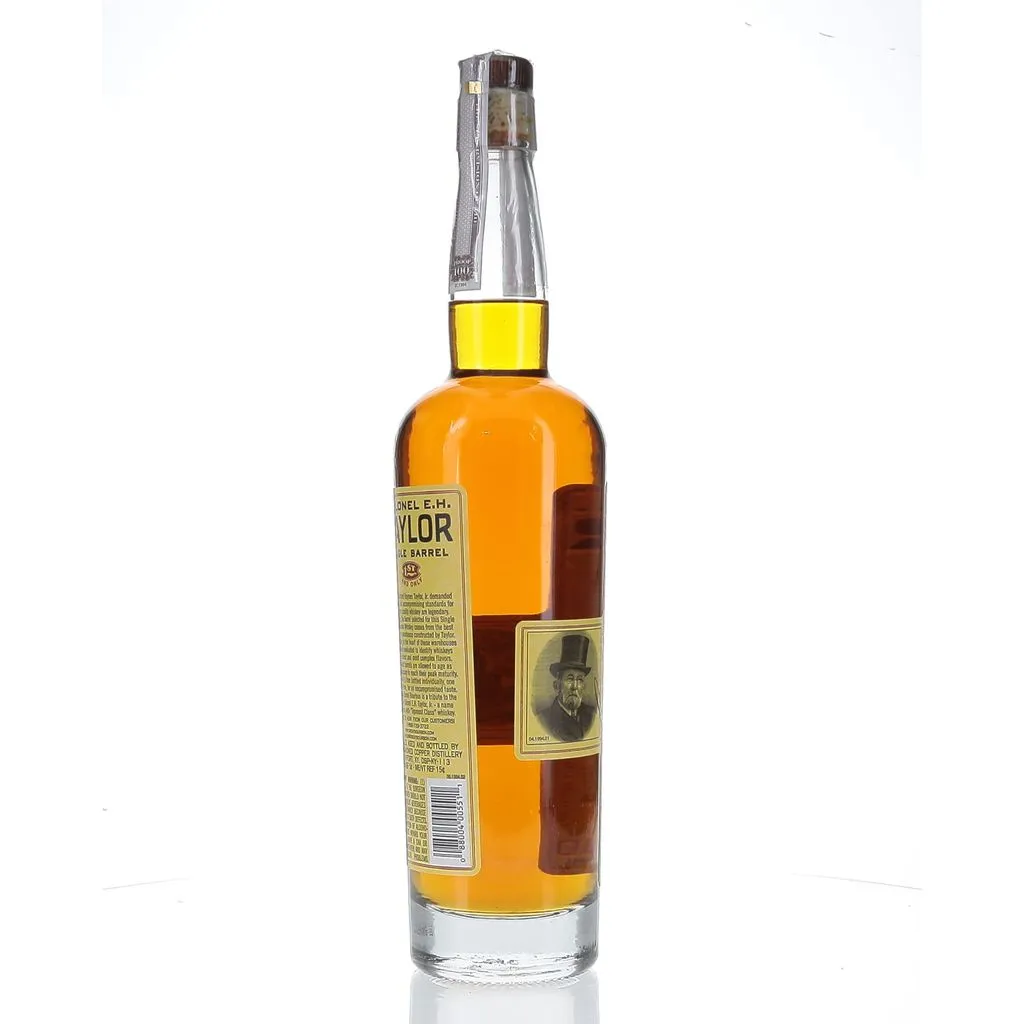
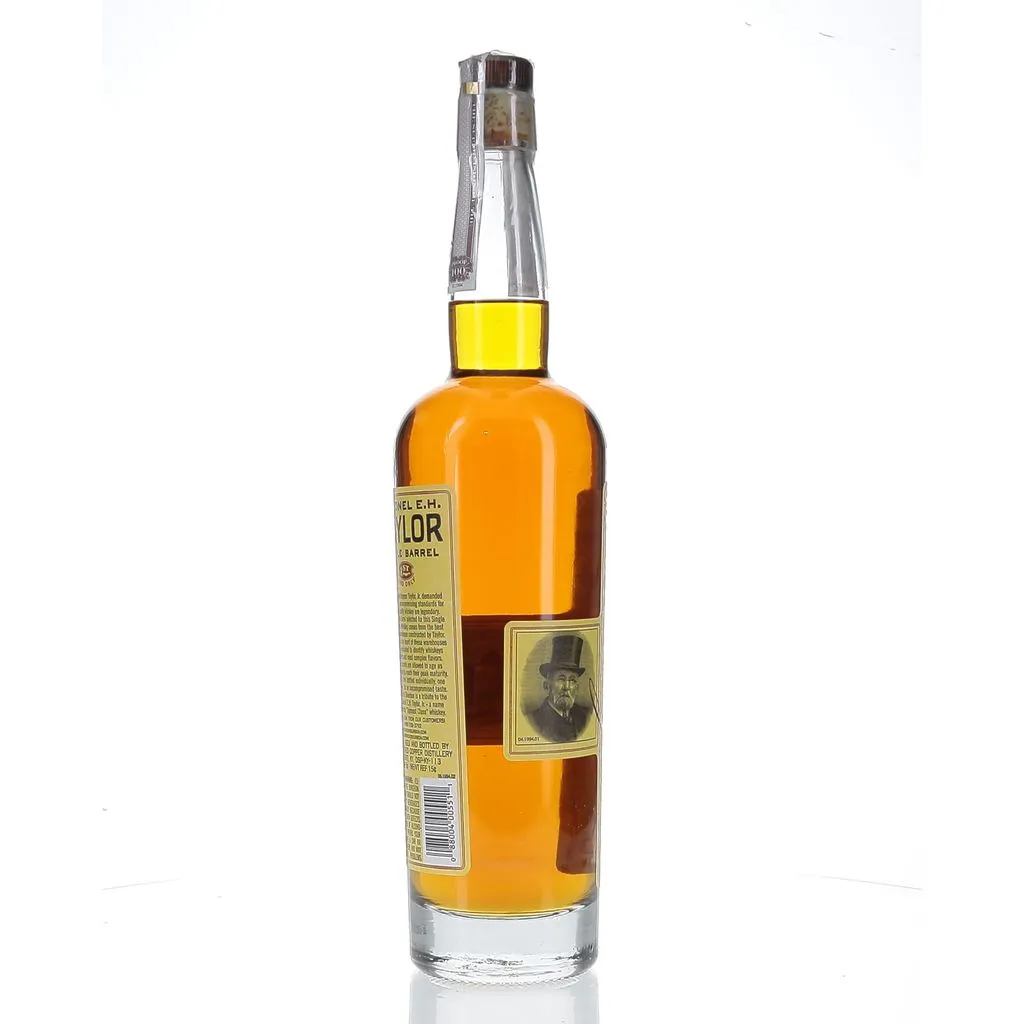
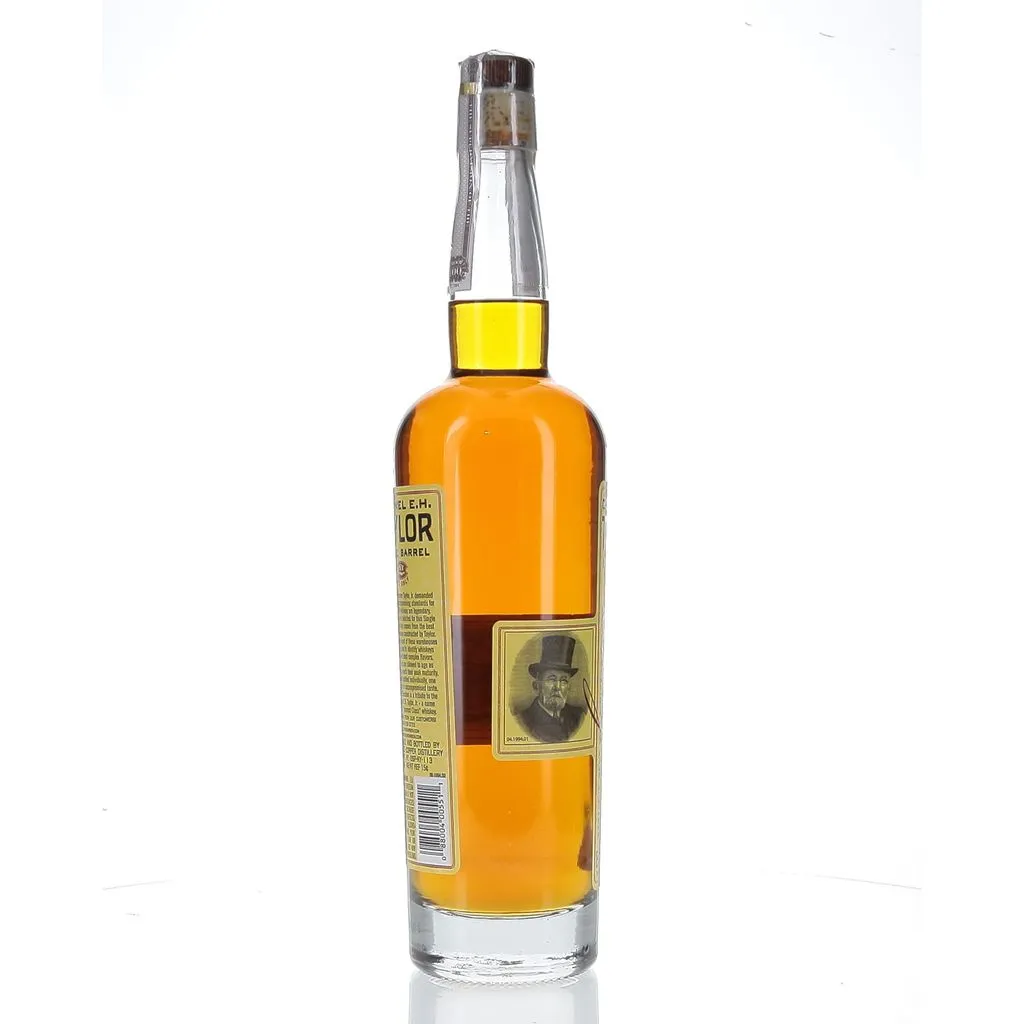
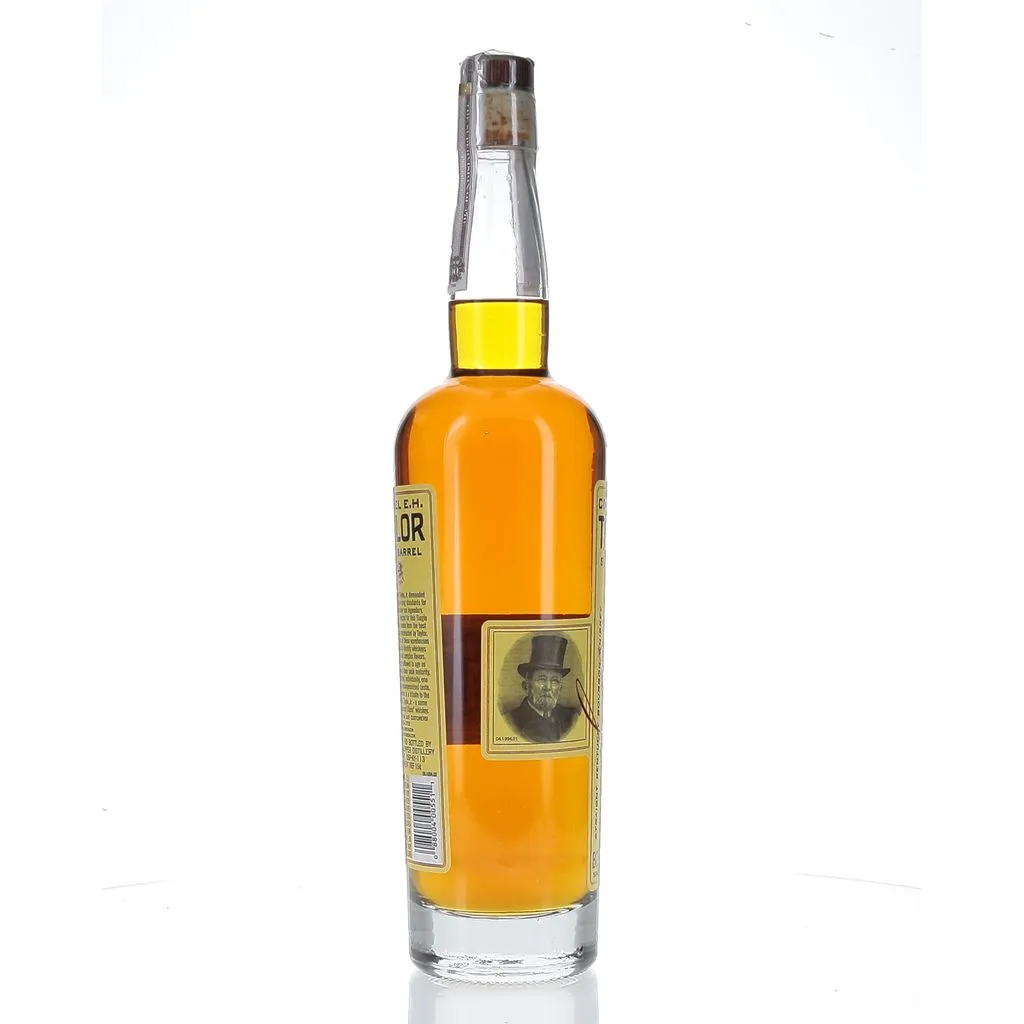
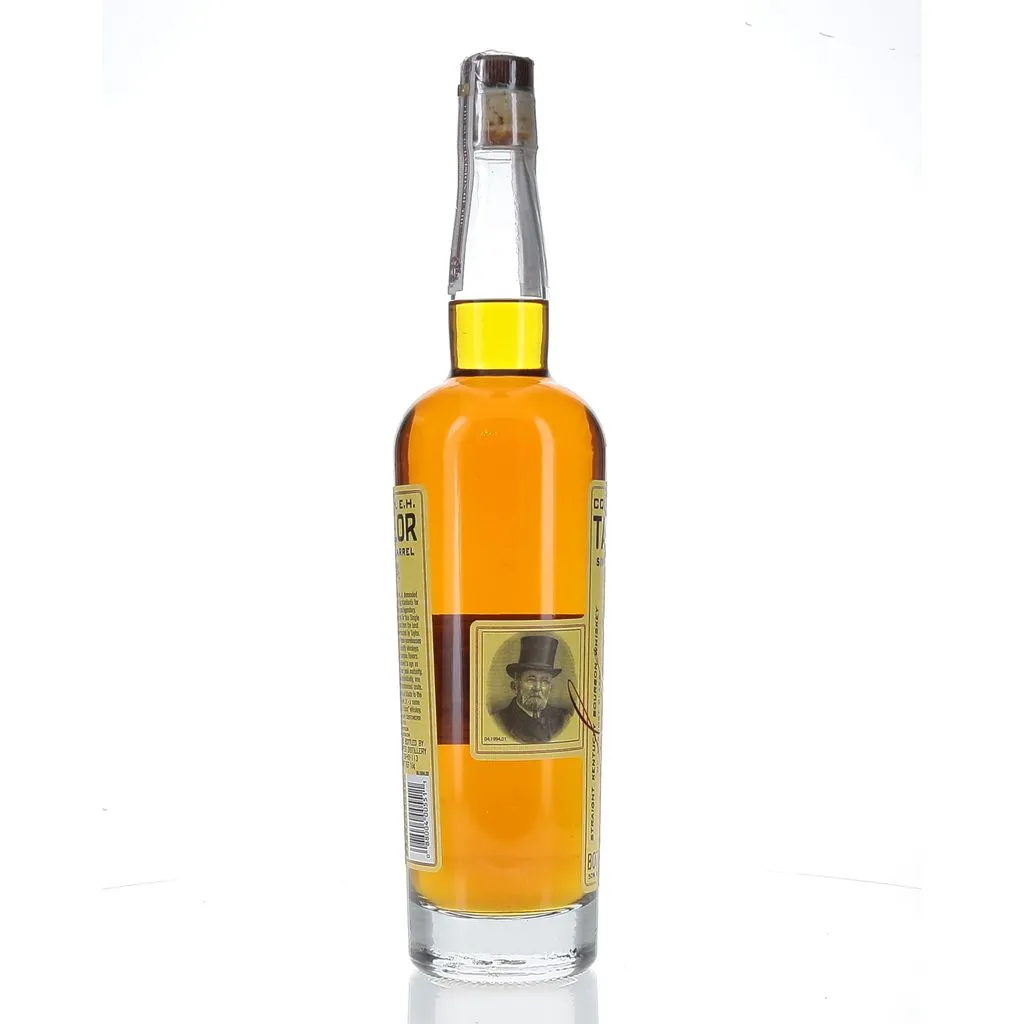
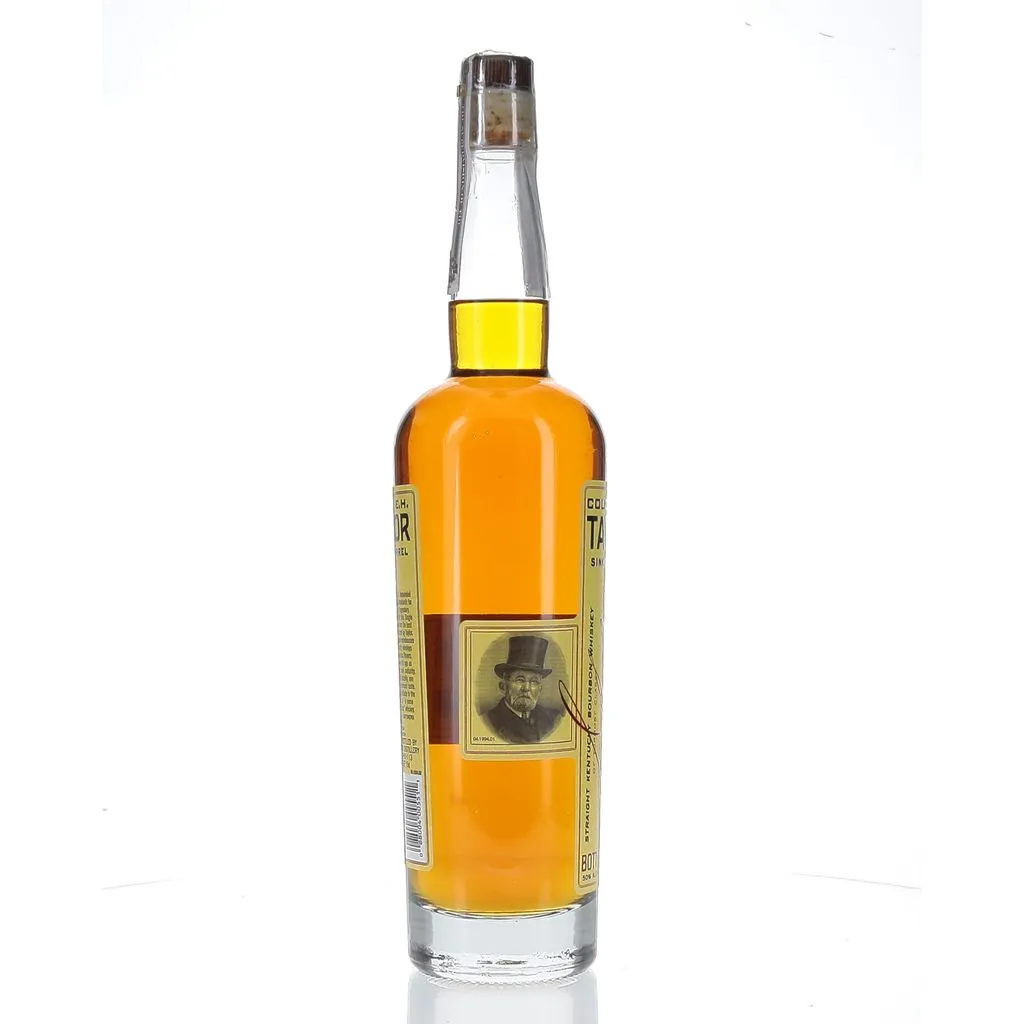
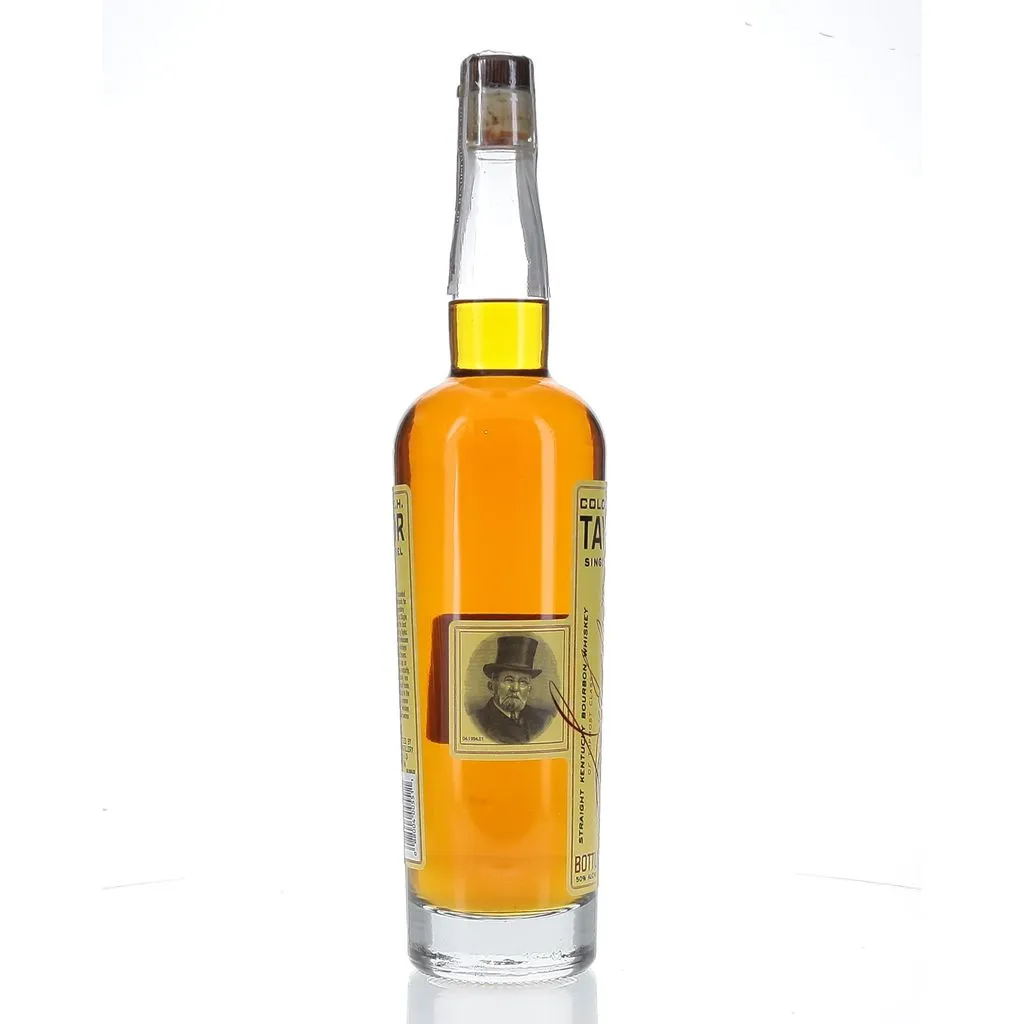
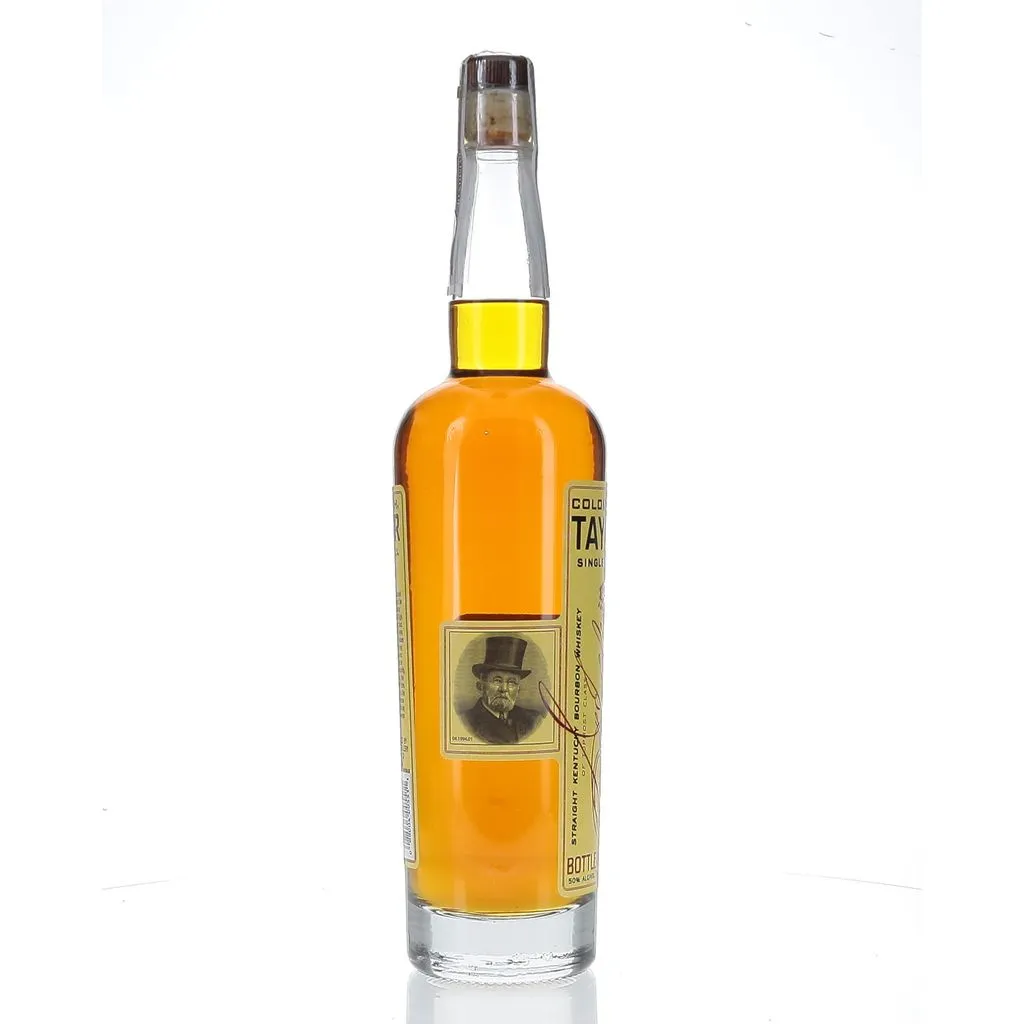
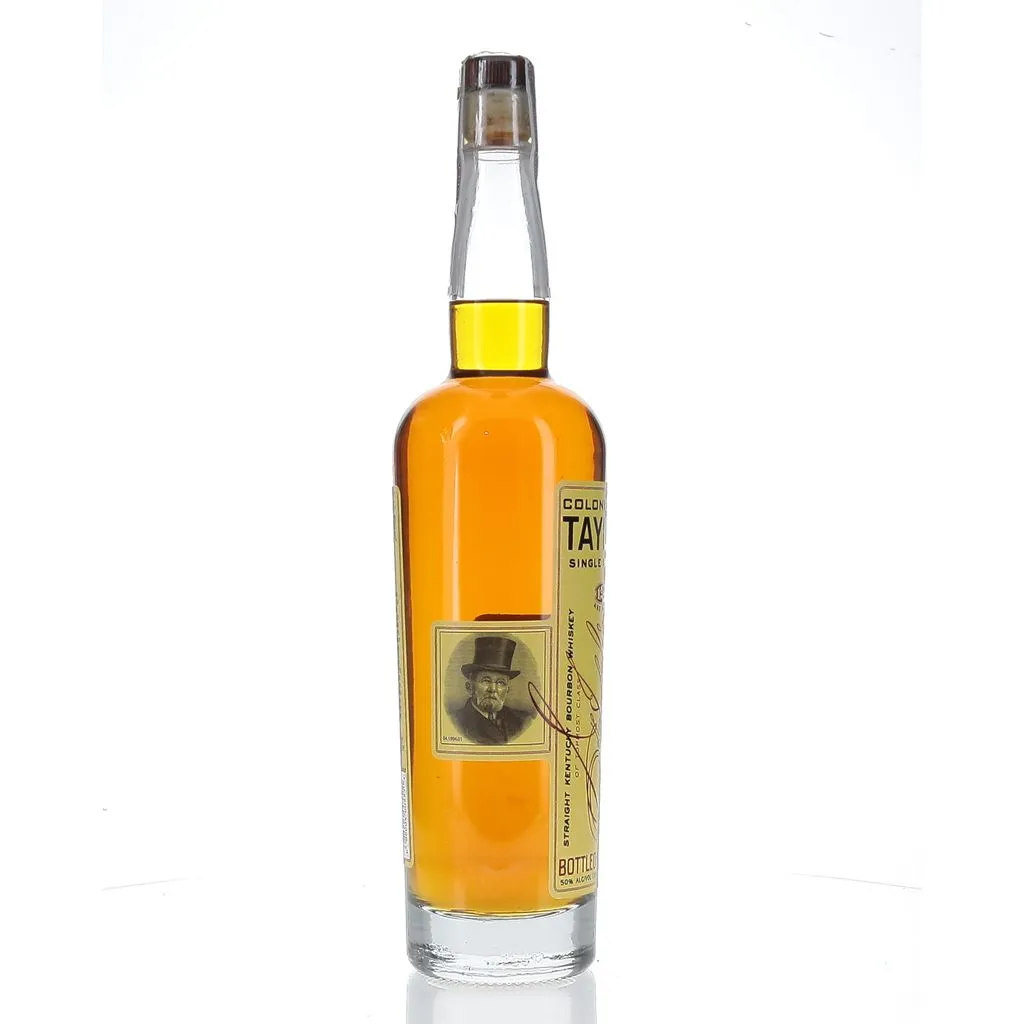
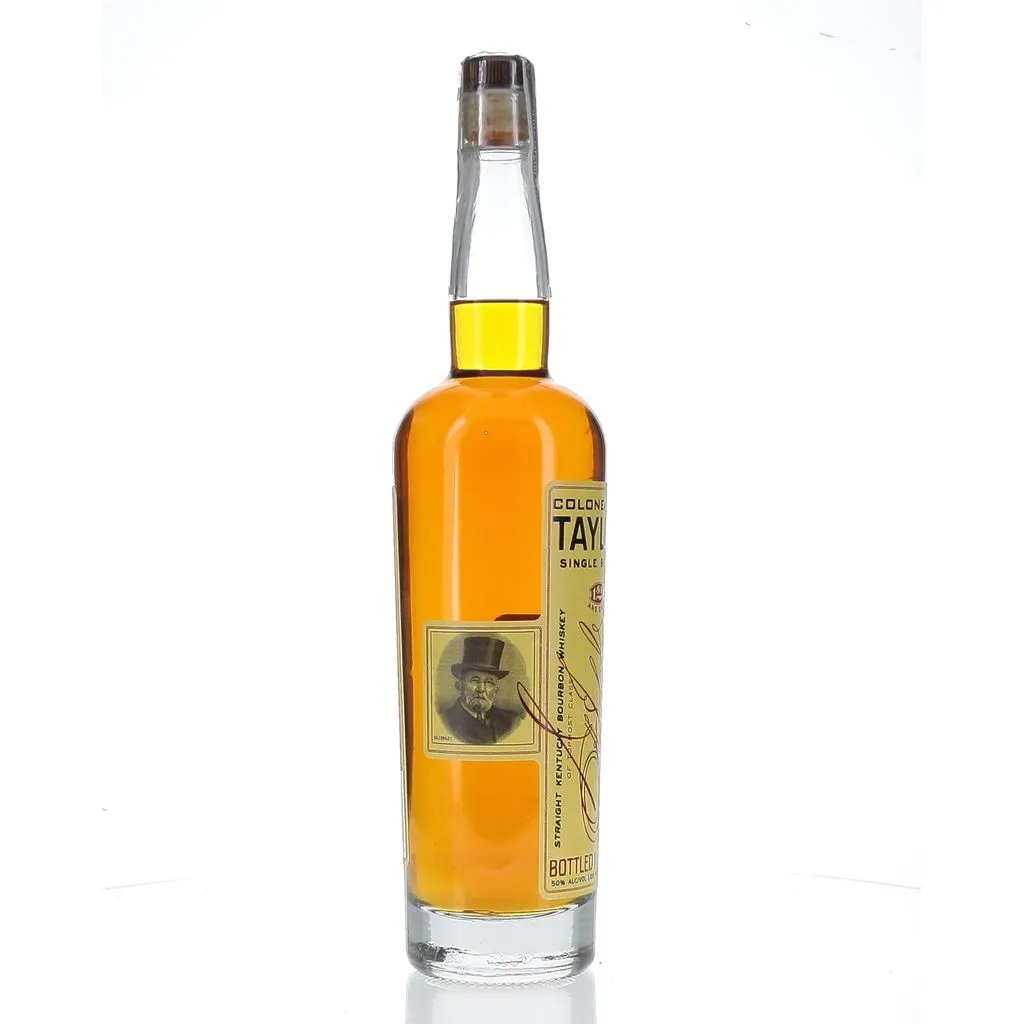
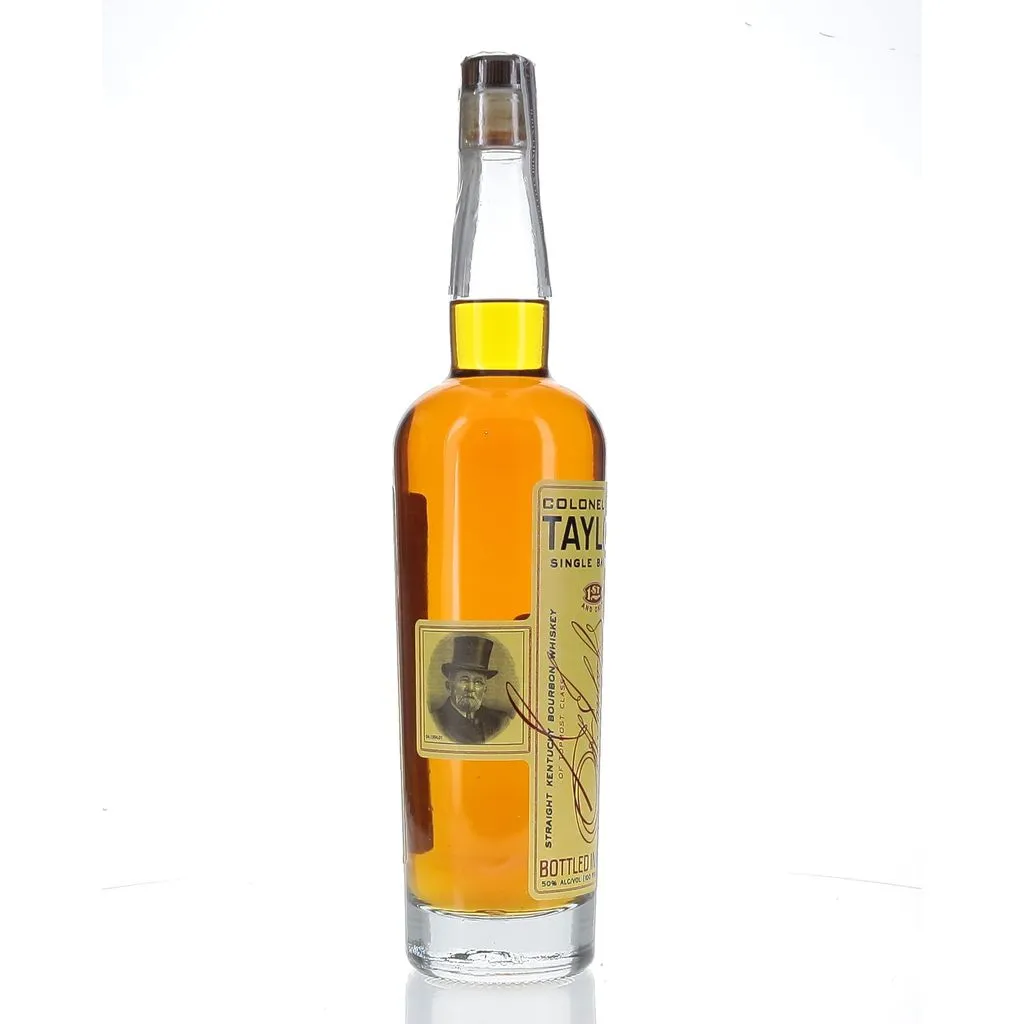
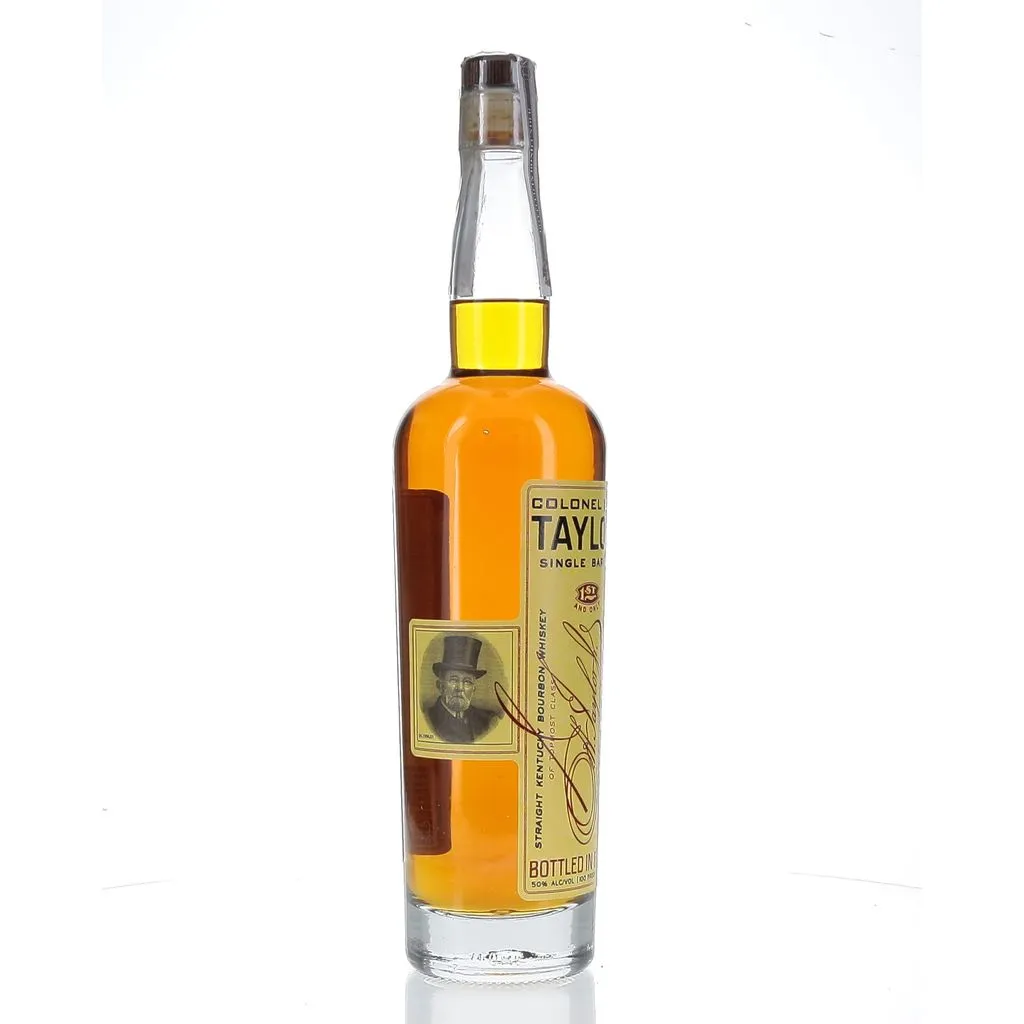
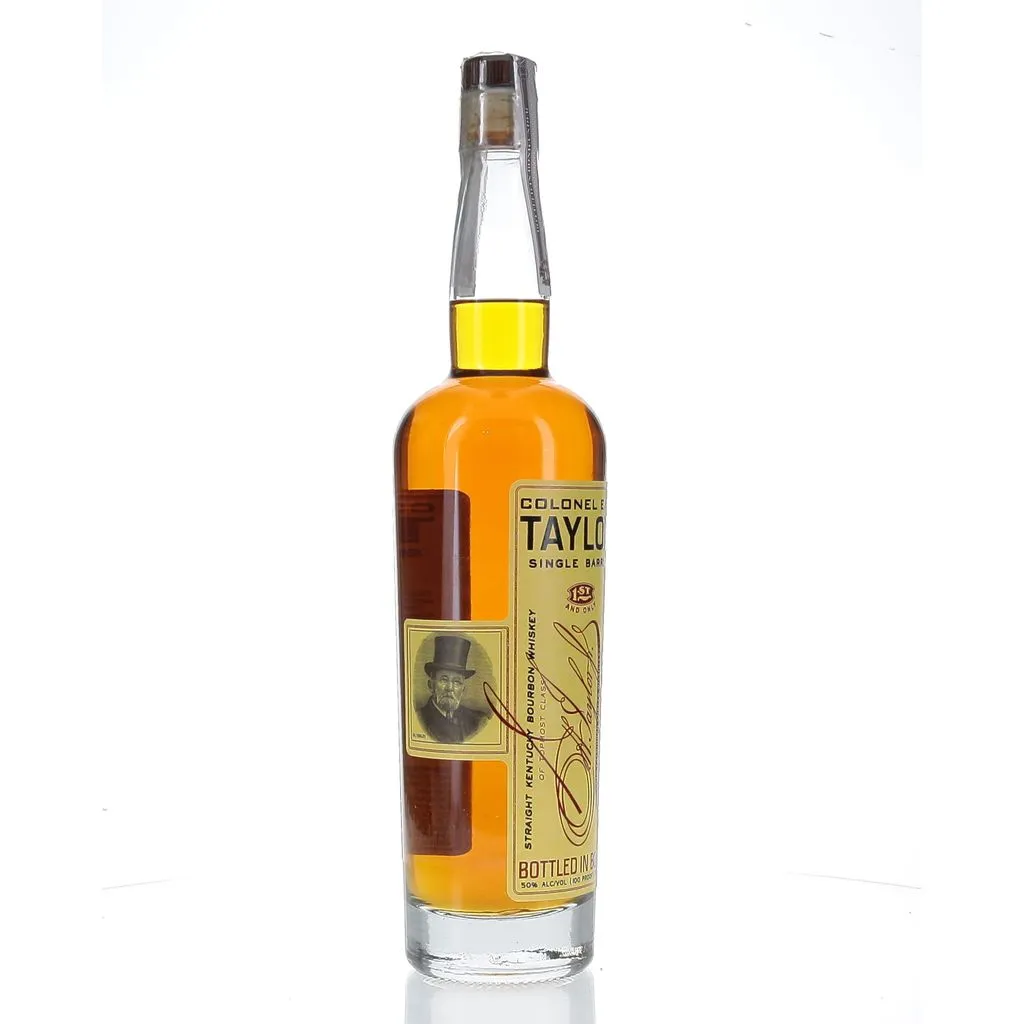
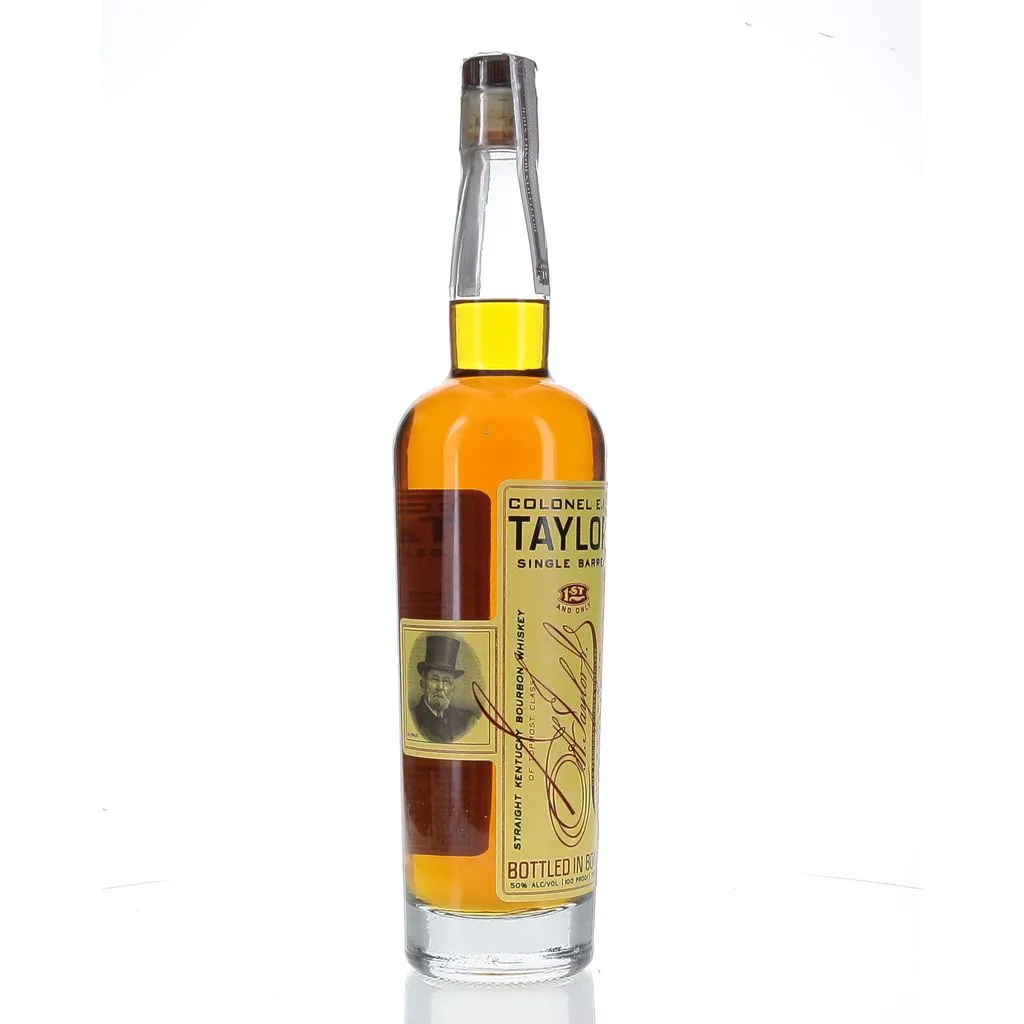
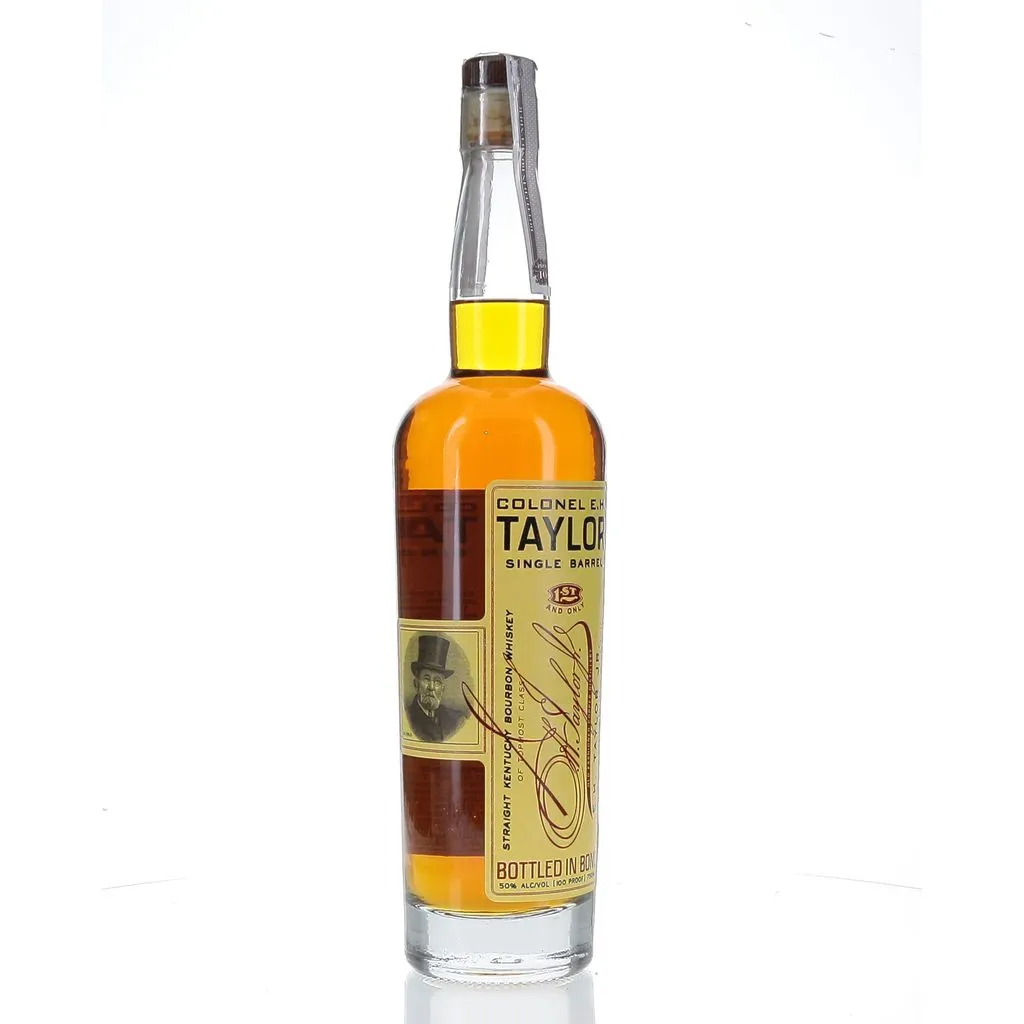
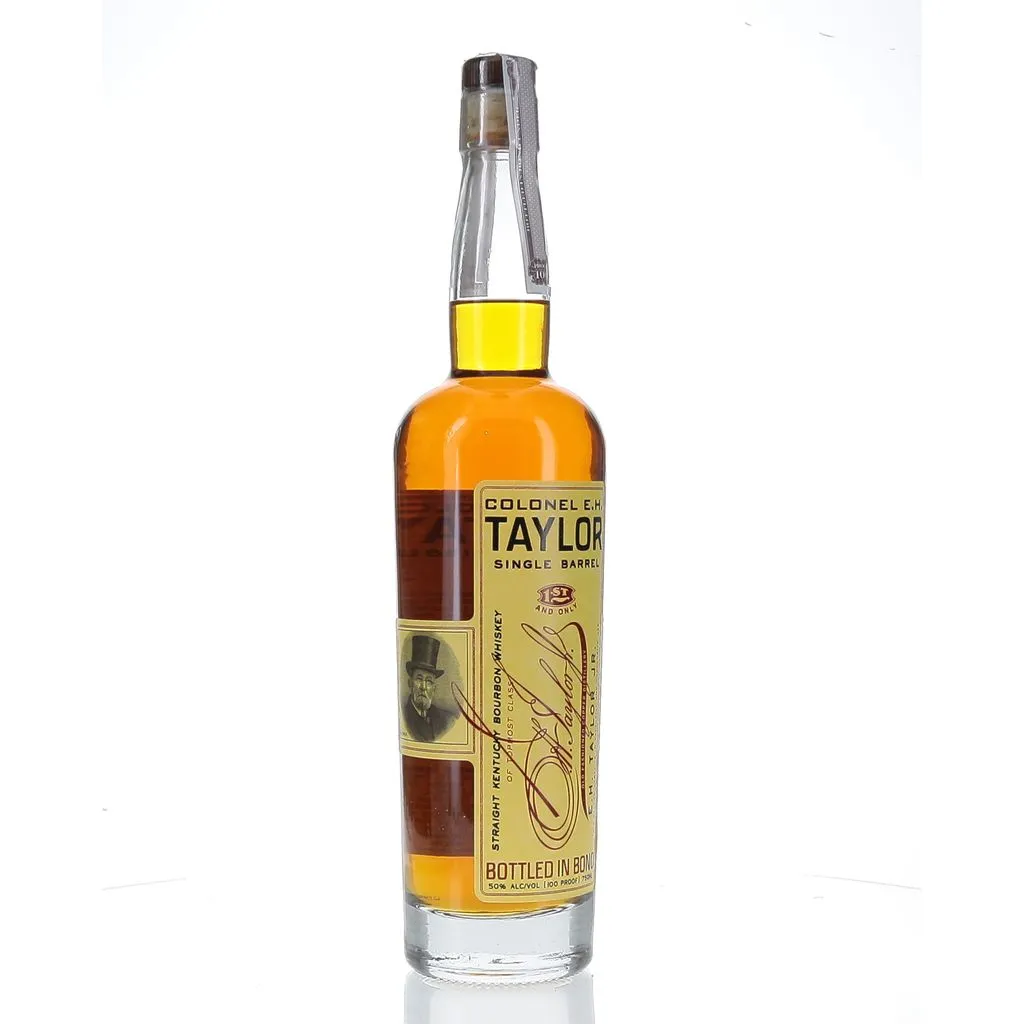
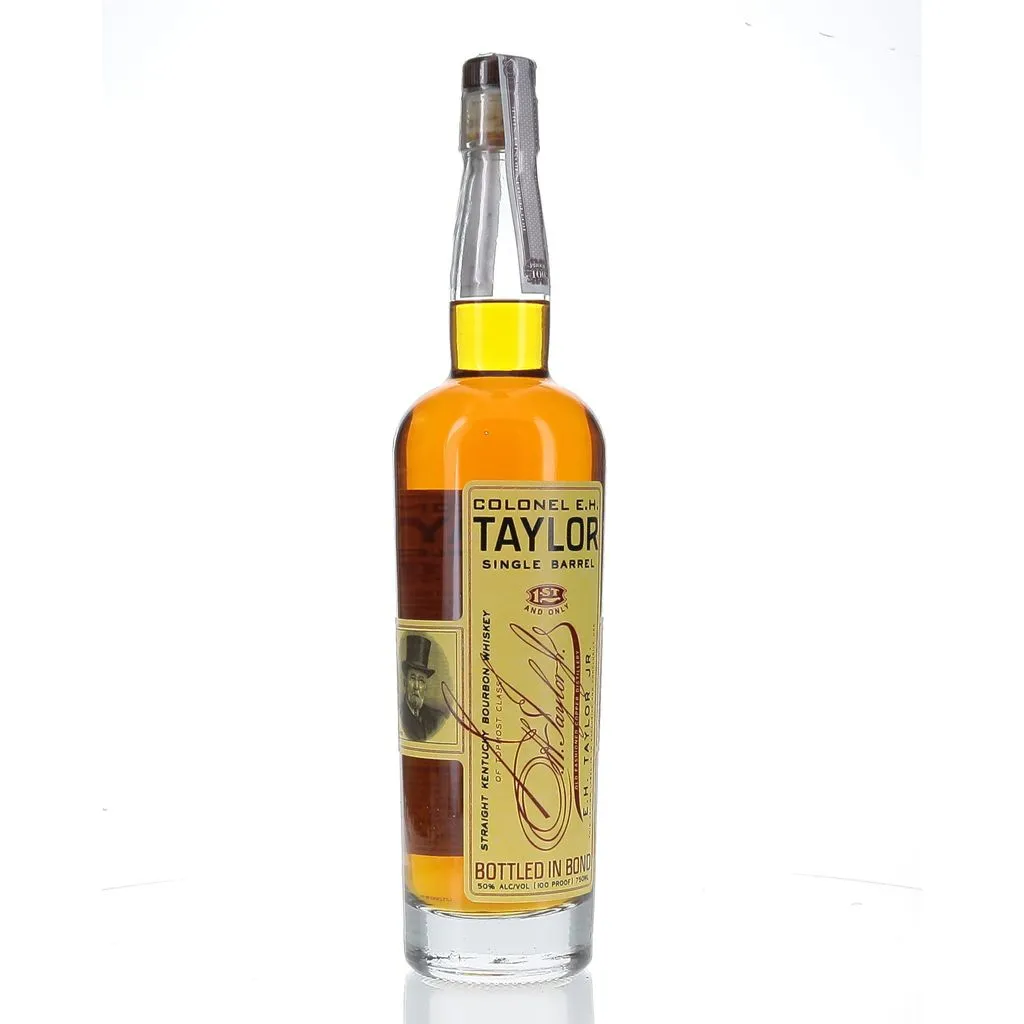
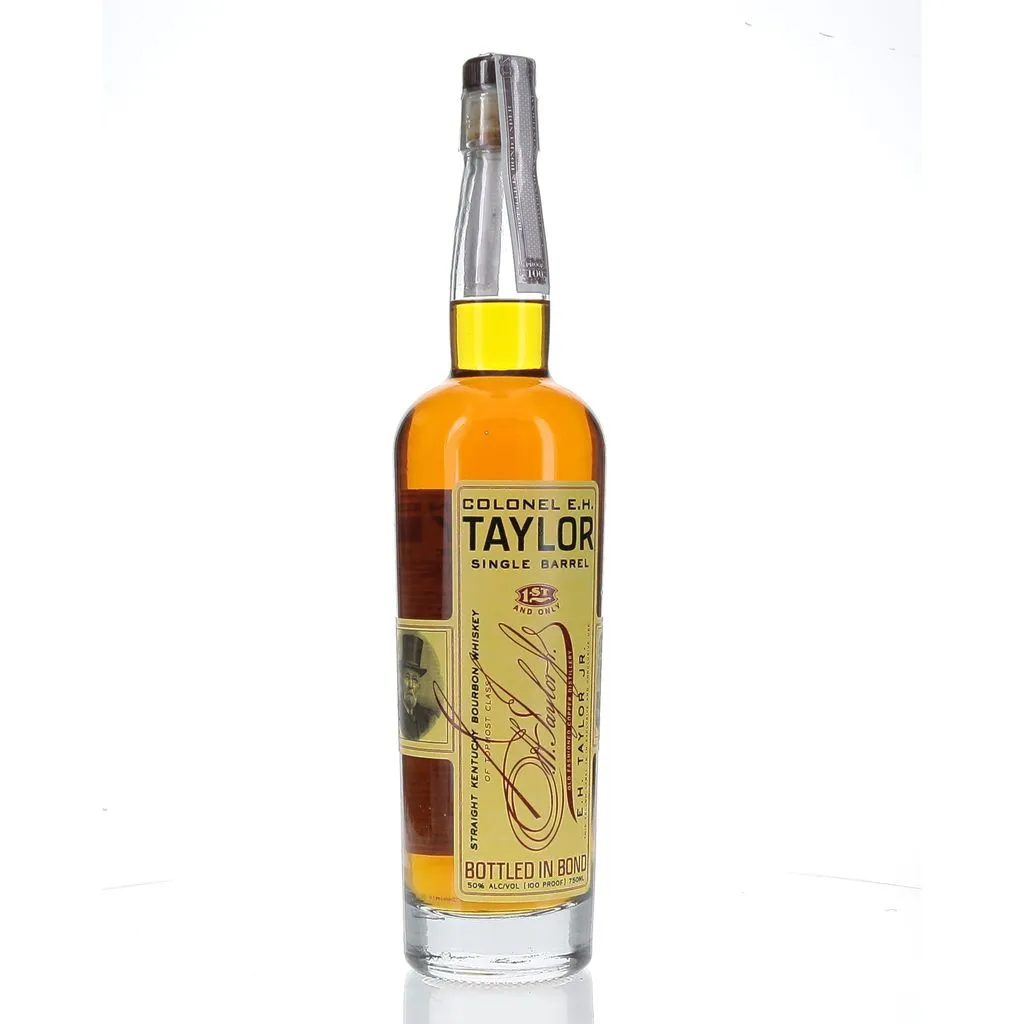
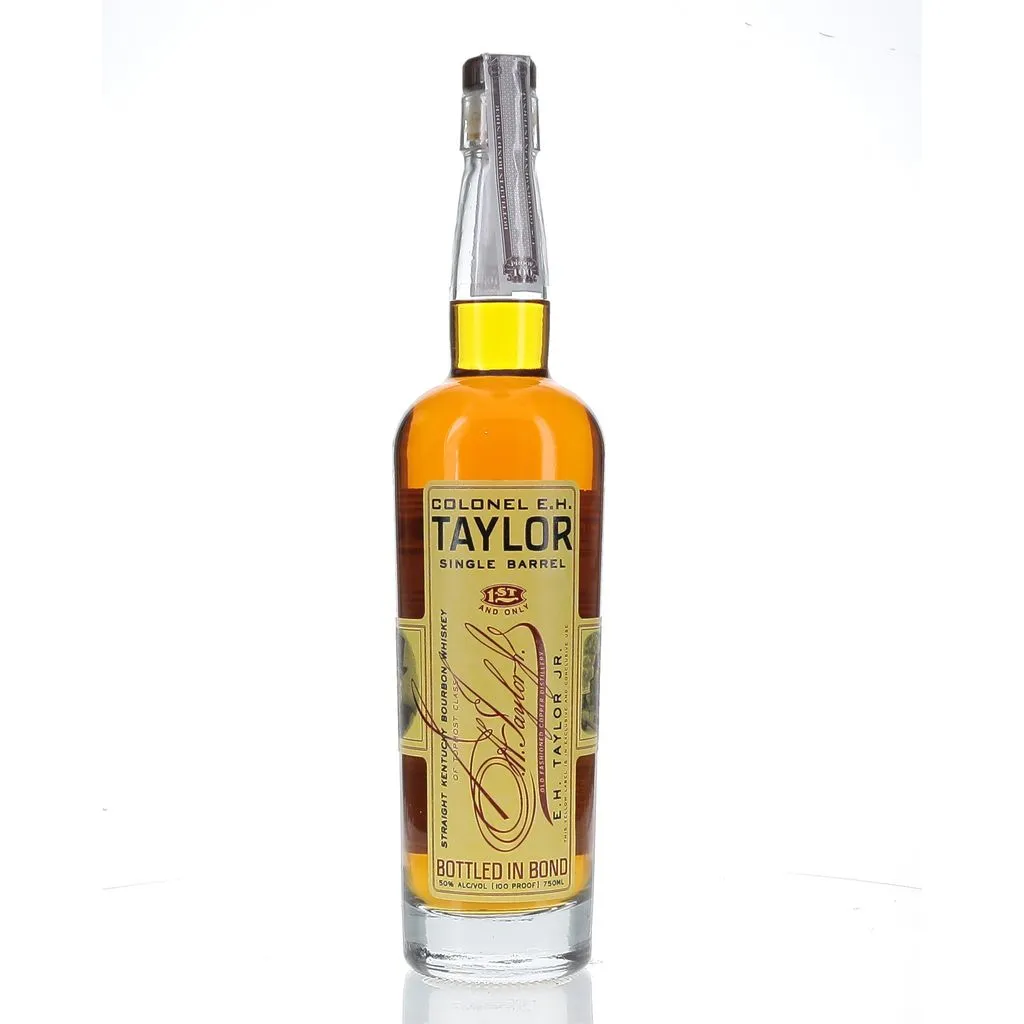
Colonel E.H. Taylor Jr. Single Barrel 2021 Bottling
Asking Price
$225.00
Highest Offer: $0.00
A bottled in bond expression of bourbon from Buffalo Trace crafted from their low rye #1 mashbill. This single barrel offering from the EH Taylor line celebrates the legendary Colonel Taylor.
E.H. Taylor
E.H. Taylor was a figurehead throughout the 19th- and 20th-century whiskey industry, starting as a banker providing financing for distilleries and ultimately developing a passion for their production. In 1862, young Edmund Taylor opened Gaines, Berry & Company with partners Hiram Berry and W.A. Gaines. Taylor toured Europe and learned whiskey making from the Scottish, Irish, and Germans, discovering their use of copper in whisky production. In 1864, Oscar Pepper passed away, leaving the care of his distillery to his young James Pepper. Colonel Taylor had long been a friend of the Peppers and was named guardian of James until he came of age, helping him keep the Old Oscar Pepper distillery alive. Taylor's firm also opened the Hermitage distillery in 1868.
In 1869, Taylor acquired the Leestown distillery, quickly renaming it the Old Fire Copper distillery. In 1870, he walked away from his partnership with Hiram Berry and W.A. Gaines. In 1873, he tore down the Old Fire Copper distillery and undertook a large rebuild with brand-new modern techniques, including column stills, copper fermentation vats, and warehouse heating, inspired by technologies he observed during his European travels. Unfortunately, this rebuilt distillery came at a high cost, and by 1879, Taylor was approaching bankruptcy. The liquor firm of Gregory and Stagg purchased his debts, forcing Taylor to sell the OFC distillery to them. He was also forced to sell the Oscar Pepper distillery, resulting in James E. Pepper losing his company.
Gregory and Stagg kept Taylor on at the OFC distillery, eventually renaming the firm E.H. Taylor Jr. Company. In 1882, the OFC distillery was struck by lightning and burned to the ground – a travesty considering the investments Taylor had made. The company rebuilt the distillery under Edmund’s guidance, and this distillery is now known as Buffalo Trace, the iconic home of E.H. Taylor bourbon today. That same year, E.H. Taylor Jr. Company acquired the J. Swigert Taylor Distillery, operated by Edmund's son, Jacob Swigert Taylor.
In 1885, Taylor had finally had enough and negotiated the return of the J. Swigert Taylor distillery to his family in exchange for his remaining shares in the OFC distillery. He left Gregory and Stagg behind, reclaiming the Swigert distillery and renovating it. This is the iconic Old Taylor distillery, known today as Castle & Key. In 1887, he completed renovations, renaming it Old Taylor and expanding the castle distillery. Edmund Taylor and his son Jacob operated this site until the onset of Prohibition in 1917.
Taylor was one of the main influences behind the 1897 Bottled-in-Bond Act. Along with other industry figureheads, he sought to curb the blight of low-quality rectifiers, who would blend whiskies and sometimes add harmful chemicals to stretch the spirit. The BiB legislation guaranteed a minimum quality in bottled whiskey.
The Old Taylor distillery was acquired by National Distillers in 1935 and reopened post-Prohibition. It remained a well-regarded brand throughout the 20th century, but when National Distillers sold to Jim Beam in 1987, Beam chose to close Old Taylor. The site changed hands multiple times but was never reopened until 2014, when Will Arvin and Wes Murray acquired it and invested heavily. It is now the home of Castle & Key whiskey.
The Old Taylor brand was bottled by Jim Beam through the 1990s and some of the early 2000s, but in 2006, they sold the label to Buffalo Trace, who transformed the E.H. Taylor line into a highly allocated, sought-after collection. The continued use of Taylor's name on bourbon for over 100 years has kept his story and legacy at the forefront of American whiskey.
Buffalo Trace
Arguably the most prized distillery in the bourbon world, Buffalo Trace sits proudly in Frankfort, Kentucky. Distilling has taken place on this historic site since 1787, with warehouses and whiskey barrels stored there from the early 1800s onward. The property officially became a distillery in 1857 under Jacob Swigert. In 1869, Colonel Edmund H. Taylor Jr. acquired the site and renamed it the Old Fire Copper Distillery (O.F.C.).
By 1873, Taylor had demolished the old buildings and begun an ambitious rebuild, introducing modern innovations such as column stills, copper fermentation vats, and heated warehouses—technologies inspired by his visits to distilleries in Scotland, Ireland, and Germany. However, the renovation proved financially ruinous, and in December 1877, the St. Louis liquor firm Gregory & Stagg rescued him from bankruptcy.
The firm’s co-owner, George T. Stagg, took control of most of Taylor’s operations. Although Taylor remained at O.F.C., his stake was now minimal. In 1882, tragedy struck when lightning burned the distillery to the ground. Taylor assisted in the rebuild, but in 1885 Stagg bought out Taylor’s remaining shares in exchange for the Old Taylor Distillery. The O.F.C. distillery later changed hands in 1890, when the Duffy firm took over. Stagg retired from the board in 1892 and passed away in 1895.
A young Albert B. Blanton joined the company in 1897 at just sixteen years old. In 1904, the distillery was renamed the George T. Stagg Distillery in honor of its former owner. Blanton rose steadily through the ranks, becoming plant manager by 1917 and president by the time Prohibition loomed in 1920. Under his leadership, the distillery was one of the few granted a federal license to produce medicinal whiskey, which kept it afloat during the dry years.
In 1929, the U.S. government authorized six Kentucky distilleries to produce whiskey to replenish depleted stocks—George T. Stagg among them. That same year, The Schenley Products Company acquired the operation. Schenley would remain in control until 1982, when the distillery was sold to New York businessmen Freddie Falk and Robert Baranaska under their Age International firm. A decade later, in 1992, Japan’s Takara Shuzo acquired Age International and the George T. Stagg distillery—only to sell the distillery soon after to the Sazerac Company, while retaining the rights to the Ancient Age brand and its high-rye mash bills.
In June 1999, Sazerac officially renamed the site Buffalo Trace Distillery.
The following decades brought steady innovation and growing acclaim. Buffalo Trace experimented extensively with wood types, barrel treatments, and aging conditions. In 2002, they partnered with Julian Van Winkle to supply whiskey for his Van Winkle and Pappy brands. The launch of the Buffalo Trace Antique Collection, followed by the E.H. Taylor line, cemented the distillery’s reputation for excellence.
In recent years, surging global demand has pushed even core expressions into allocated status. Whether through its legendary partnership with the Van Winkles or its consistently award-winning limited releases, Buffalo Trace has become synonymous with craftsmanship, heritage, and the prestige of Kentucky bourbon at its finest.